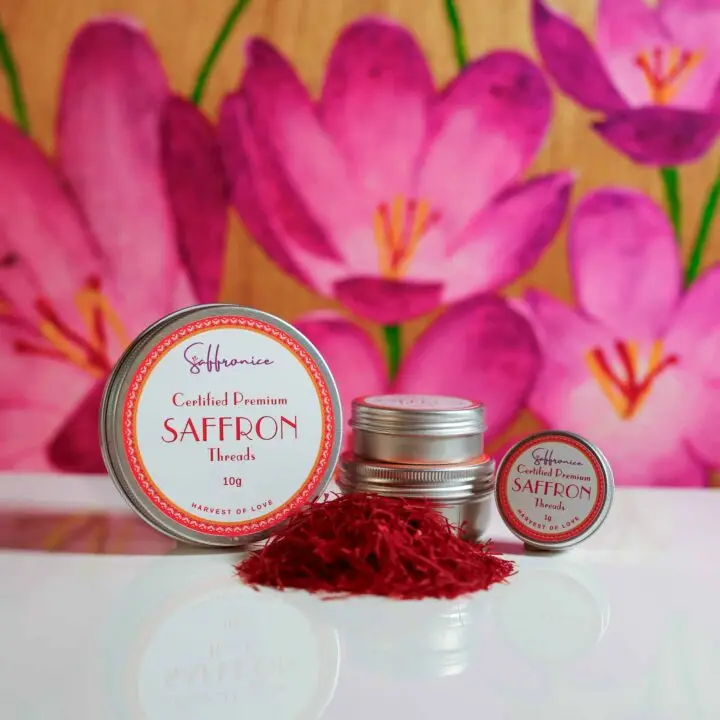


📌 Quick Answer: Use saffron by soaking 8-12 threads in warm water for 10-15 minutes before adding to dishes for maximum flavor and color release. For cooking, add to rice dishes, stews, and desserts; for brewing, steep in hot water or milk for 20 minutes; for skincare, mix with honey or oils for face masks with antioxidant benefits.
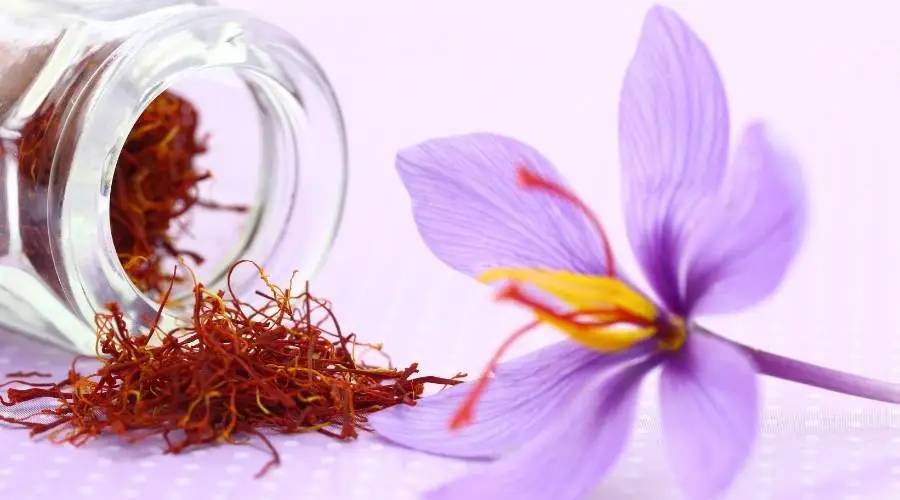
Saffron, often called the “red gold” of spices, is highly sought after for its vibrant color, intoxicating scent, and unique flavor. It is carefully handpicked from the delicate stigmas of Crocus sativus flowers, making it one of the world’s most luxurious ingredients that has fascinated chefs, artisans, and beauty enthusiasts worldwide for centuries. Understanding what saffron is reveals why this precious spice commands such reverence across diverse applications.
Knowing how to use saffron properly opens up a world of culinary delights—turning simple rice dishes into golden masterpieces or enhancing desserts with threads of pure gold. But saffron’s significance goes beyond cooking; it holds a special place in brewing rituals and skincare practices, showcasing its fascinating versatility. Whether adding warmth to teas or boosting beauty routines with its antioxidant properties, saffron’s charm lies in both ancient tradition and modern innovation.
Chef’s Professional Tip: After decades of working with saffron in professional kitchens, I’ve learned that proper preparation technique makes the difference between mediocre and extraordinary results. The key lies in understanding how to extract maximum flavor while preserving the spice’s delicate compounds.
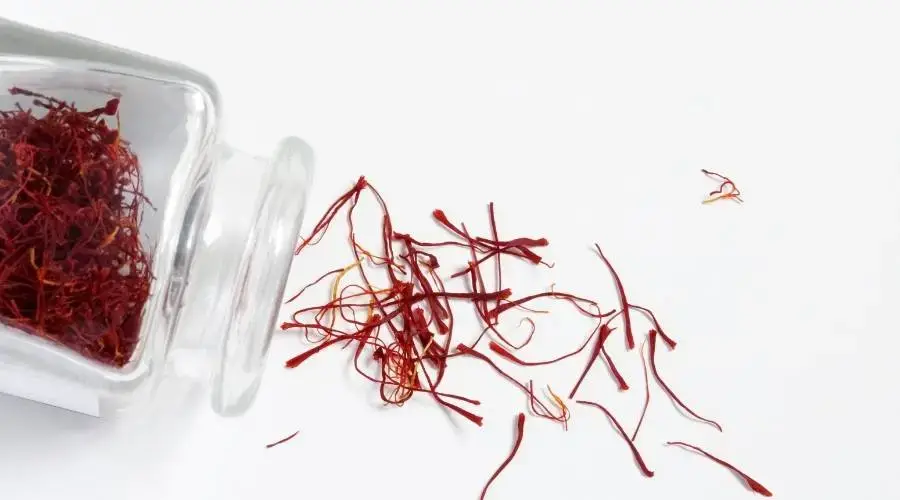
Mastering Saffron in Culinary Applications
Saffron’s vibrant golden color and distinct aroma make it an essential ingredient in Mediterranean, Middle Eastern, and Persian kitchens. It not only adds stunning visual appeal but also imparts rich, complex flavors that transform even the simplest dishes into culinary masterpieces.
Mediterranean Culinary Excellence
Spanish Paella Perfection: The secret to authentic Spanish paella lies in saffron’s luxurious touch that turns rice into a canvas of sunny gold. The delicate floral notes infuse each grain, perfectly complementing seafood, chicken, and chorizo. Saffron rice dishes showcase this spice’s ability to create the characteristic golden color and aromatic complexity that defines true paella.
Provençal Bouillabaisse: In coastal Provence kitchens, saffron is indispensable for bouillabaisse. This traditional fish stew owes its fragrant complexity and deep amber broth to carefully bloomed saffron threads. The spice’s aromatic compounds complement the seafood’s natural flavors while adding visual appeal that distinguishes authentic bouillabaisse from imitations.
Italian Risotto alla Milanese: This classic Northern Italian dish achieves its creamy, golden elegance through saffron’s gradual release of color and flavor. The slow cooking process allows saffron to infuse thoroughly, creating the signature taste and appearance that makes this risotto a timeless favorite.
Middle Eastern Culinary Traditions
Aromatic Biryani and Pilaf: Throughout the Middle East, saffron works its magic in biryani and pilaf preparations. Combined with complementary spices like cardamom and cumin, it brings vibrant color to long-grain rice while imparting subtle richness to proteins such as lamb or chicken. The layering technique used in biryani allows saffron’s essence to permeate multiple components.
Elevated Kebab Preparations: Saffron-infused marinades give grilled kebabs a regal quality, creating aromatic profiles that linger delightfully on the palate. The spice’s compounds help tenderize proteins while adding sophisticated flavor notes that distinguish restaurant-quality preparations.
Persian Culinary Heritage
Persian saffron cuisine represents the pinnacle of saffron usage, with dishes that showcase the spice’s full potential:
Ashe-E-Reshteh Excellence: This hearty noodle soup filled with herbs and legumes benefits from saffron’s warmth and depth, balancing flavors of mint, parsley, and fresh greens. The spice adds complexity that ties together diverse ingredients into harmonious unity.
Tahdig and Zereshk Polo: These beloved Persian dishes shine with golden crusts or jewel-like barberries enhanced by saffron’s touch. The crispy rice technique (tahdig) creates textural contrast while saffron provides aromatic foundation and visual appeal.
Food Scientist’s Note: Saffron’s bioactive compounds—crocin, safranal, and picrocrocin—contribute not only sensory appeal but also potential health benefits. Proper extraction through soaking maximizes both flavor compounds and beneficial properties.
Professional Preparation Techniques
The Essential Blooming Process
The blooming process is crucial for unlocking saffron’s full potential. Soaking saffron threads in warm (not boiling) water for 10-15 minutes allows the vibrant color and rich flavor compounds to infuse into the liquid, ensuring even distribution throughout culinary creations.
Step-by-Step Blooming Method:
- Thread preparation: Gently crush 8-12 saffron threads using a mortar and pestle
- Temperature control: Use water heated to 140-160°F (60-71°C) to prevent compound degradation
- Steeping time: Allow 10-15 minutes for full extraction and deep golden color development
- Complete utilization: Add both the infused liquid and threads to dishes for maximum impact
Optimal Ingredient Pairings
Understanding complementary ingredients elevates saffron’s flavor profile and enhances overall dish complexity:
Grain Foundations:
- Rice varieties: Basmati, Arborio, and Bomba rice provide neutral bases that showcase saffron’s characteristics
- Cooking liquids: Stock, wine, or milk enhance extraction and add flavor layers
- Timing considerations: Add saffron early in the cooking process for color, late for aroma preservation
Protein Combinations:
- Seafood: Natural affinity with fish and shellfish creates harmonious flavor marriages
- Poultry: Chicken and duck benefit from saffron’s subtle richness without overpowering
- Red meats: Lamb and beef gain sophistication from saffron’s aromatic complexity
Spice Harmonies:
- Warm spices: Cinnamon and cardamom create aromatic synergies with saffron’s floral notes
- Earthy elements: Cumin balances saffron’s sweetness with grounding characteristics
- Citrus accents: Lemon and orange zest brighten saffron’s profile in both sweet and savory applications
Advanced Culinary Techniques
Saffron Oil Infusions: Create aromatic oils by gently warming neutral oils with saffron threads, perfect for finishing dishes or drizzling over completed preparations.
Compound Preparations: Mix bloomed saffron with butter, cream, or yogurt to create versatile bases that can be incorporated into multiple recipe components.
Temperature Sensitivity Management: Understand that excessive heat can degrade saffron’s delicate compounds, requiring careful timing in cooking processes.
Saffron in Desserts and Sweet Applications
Saffron desserts represent some of the most luxurious sweet preparations in global cuisine, where the spice’s unique characteristics create unforgettable sensory experiences.
Middle Eastern Sweet Masterpieces
Baklava Enhancement: Saffron-infused honey syrup elevates traditional baklava to new sophistication levels. The spice’s golden color and floral aroma complement the pastry’s nutty richness while adding visual appeal that distinguishes premium preparations.
Mahalabia Perfection: This creamy milk pudding becomes ethereal when enhanced with saffron’s subtle taste and rich color. The combination creates delicate sweetness balanced with aromatic complexity that satisfies both palate and visual senses.
Modern Dessert Applications: Contemporary pastry chefs incorporate saffron into ice creams, mousses, and chocolate preparations, creating innovative desserts that honor tradition while exploring new possibilities.
Sweet Preparation Guidelines
Dosage Considerations: Desserts require a lighter saffron application to avoid overpowering delicate flavors. Start with 4-6 threads per serving and adjust based on desired intensity.
Extraction Methods: Use warm milk, cream, or simple syrup for saffron extraction in desserts, ensuring gentle heat application that preserves delicate flavor compounds.
Timing Strategies: Add saffron-infused liquids during final preparation stages to maintain color vibrancy and prevent heat degradation of aromatic compounds.
Beverage Applications and Brewing Techniques
Saffron Tea Mastery
Saffron tea benefits extend beyond flavor to include potential therapeutic properties, making proper brewing technique essential for optimal results.
Classic Saffron Tea Method:
- Thread preparation: Gently crush 8-10 saffron threads using a mortar and pestle
- Initial steeping: Place threads in a small bowl with 2 tablespoons of hot (not boiling) water for 20 minutes
- Final brewing: Add infused water and threads to freshly boiled water or green tea leaves
- Finishing touches: Steep additional 5 minutes, then sweeten with honey or enhance with lemon
Golden Milk Preparations: Warm milk infused with saffron creates soothing beverages perfect for evening relaxation. The combination of saffron’s calming properties with milk’s tryptophan content promotes restful sleep while providing nutritional benefits.
Detox Water Variations: Refreshing infused waters combine saffron with cucumber, lemon, or mint for hydrating beverages that provide subtle flavor and potential antioxidant benefits without added calories.
Proper Storage for Prepared Beverages
Refrigeration Guidelines: Store cooled saffron infusions in glass containers with airtight lids, maintaining quality and potency for up to 3 days under proper refrigeration.
Light Protection: Avoid direct sunlight exposure that can degrade both color intensity and flavor compounds, compromising the beverage’s quality and therapeutic potential.
Batch Preparation: Prepare larger quantities of saffron infusions for convenience, ensuring consistent quality while reducing daily preparation time.
Saffron in Beauty and Skincare Applications
Scientific Basis for Skincare Benefits
Saffron’s inclusion in skincare for glowing skin is supported by scientific research demonstrating its antioxidant properties and potential skin health benefits.
Active Compounds in Skincare:
- Crocin: A Powerful antioxidant that combats free radical damage and may reduce signs of aging
- Safranal: Anti-inflammatory properties that can soothe irritated skin
- Carotenoids: Protective compounds that support skin health and may improve complexion
- Vitamins: Natural vitamin content supports overall skin nutrition and health
DIY Saffron Beauty Preparations
Nourishing Face Mask Formula: Combine 4-6 soaked saffron threads with honey and yogurt to create nourishing masks that provide gentle exfoliation while delivering antioxidant benefits. The natural enzymes in honey complement saffron’s properties for enhanced skin care results.
Anti-Aging Serum Creation: Infuse high-quality carrier oils like jojoba or rosehip with saffron threads to create targeted serums for anti-aging and skin brightening applications. The oil-soluble compounds are extracted efficiently, providing concentrated benefits.
Gentle Exfoliating Treatments: Mix finely ground saffron with gentle exfoliating agents like oatmeal for treatments that remove dead skin cells while providing antioxidant protection and potential anti-inflammatory benefits.
Safety and Application Guidelines
Patch Testing Requirements: Always perform patch tests before applying saffron-based preparations to larger skin areas, as individual sensitivities can vary despite saffron’s generally gentle nature.
Concentration Considerations: Use moderate concentrations to avoid potential irritation, starting with minimal amounts and increasing gradually based on skin response and tolerance.
Quality Sourcing Importance: Ensure high-quality saffron sourcing for skincare applications, as impurities or adulterants in lower-grade products may cause adverse reactions or reduced effectiveness.
Health Benefits and Therapeutic Applications
Traditional Medicine Heritage
Saffron’s ancient medicine applications provide historical context for modern therapeutic uses, demonstrating the spice’s longstanding reputation as a healing agent.
Historical Therapeutic Uses:
- Digestive support: Traditional use for nausea relief and digestive comfort
- Mood enhancement: Historical applications for emotional well-being and mental clarity
- Reproductive health: Traditional reputation as an aphrodisiac and fertility enhancer
- Pain management: Historical use for various discomforts and inflammatory conditions
Modern Scientific Understanding
Contemporary research validates many traditional uses while revealing new potential applications. Comprehensive saffron health benefits include:
Antioxidant Protection: Studies demonstrate saffron’s powerful antioxidant capacity, potentially protecting against cellular damage and supporting overall health maintenance.
Mood Support: Clinical research suggests saffron may support mood balance and emotional well-being through neurotransmitter modulation, particularly serotonin pathways.
Cognitive Function: Emerging research indicates potential cognitive benefits, including memory support and neuroprotective properties that may benefit brain health.
Safe Usage Guidelines
Dosage Recommendations: Understanding proper saffron dosage daily ensures safe consumption while maximizing benefits. For culinary use, 5-10 threads daily is generally safe and beneficial.
Potential Considerations: Awareness of saffron side effects helps ensure responsible use. While generally safe in culinary quantities, excessive consumption should be avoided.
Individual Variations: Personal tolerance and health conditions may affect optimal dosage and frequency, making professional consultation advisable for therapeutic applications.
Storage and Quality Maintenance
Optimal Storage Conditions
Proper saffron storage methods preserve the quality, potency, and value of this precious spice throughout its shelf life.
Environmental Requirements:
- Temperature control: Store in cool, stable environments below 68°F (20°C)
- Humidity management: Maintain low humidity to prevent moisture-related degradation
- Light protection: Shield from direct sunlight and fluorescent lighting
- Air exposure: Use airtight containers to prevent oxidation and aroma loss
Container Selection: Glass containers with tight-sealing lids provide optimal protection while allowing visual quality assessment. Avoid plastic containers that may absorb or transfer odors.
Quality Monitoring: Regularly assess color intensity, aroma strength, and thread integrity to ensure continued quality and potency throughout the storage period.
Quality Assessment and Purchasing
Identifying Premium Quality: Understanding saffron quality standards helps ensure optimal results in all applications. Look for deep red threads with minimal yellow or white portions.
Reliable Sourcing: Finding reputable saffron sources ensures authenticity and quality, whether for culinary, brewing, or skincare applications.
Form Considerations: Comparing saffron powder vs threads helps determine optimal forms for different applications, with threads generally preferred for most uses.
Professional Applications and Advanced Techniques
Restaurant and Commercial Use
Professional kitchens require consistent results and efficient preparation methods that maximize saffron’s impact while controlling costs.
Batch Preparation Methods: Create saffron bases in larger quantities for multiple dishes, ensuring consistency while reducing per-serving preparation time.
Cost Management Strategies: Optimize saffron usage through proper extraction techniques that maximize flavor and color output from minimal quantities.
Quality Control Protocols: Implement systematic approaches to ensure consistent quality across all saffron applications in professional environments.
Innovation and Modern Applications
Contemporary chefs and artisans continue discovering new applications for saffron across various fields:
Molecular Gastronomy: Modern techniques allow precise control over saffron’s properties, creating innovative presentations and flavor delivery systems.
Artisanal Products: Craft producers incorporate saffron into specialty items, including chocolates, spirits, and gourmet preparations that showcase the spice’s versatility.
Wellness Applications: Health-focused businesses integrate saffron into wellness products, from functional beverages to therapeutic preparations.
Conclusion: Maximizing Saffron’s Potential
Saffron represents one of nature’s most versatile and valuable ingredients, offering applications that span culinary excellence, beverage enhancement, and beauty care. Understanding proper usage techniques—from the essential blooming process to optimal storage methods—ensures maximum benefit from this precious spice.
Whether creating traditional dishes that honor centuries of culinary heritage, brewing therapeutic teas that support well-being, or developing skincare preparations that harness saffron’s antioxidant properties, success depends on respecting the spice’s delicate nature while understanding its powerful potential.
Key Success Principles:
- Proper preparation: Always bloom saffron threads before use for optimal extraction
- Quality sourcing: Invest in authentic, high-grade saffron for the best results
- Appropriate dosage: Use measured amounts to achieve desired effects without waste
- Storage care: Maintain optimal conditions to preserve potency and value
- Safety awareness: Understand limits and contraindications for responsible use
The journey of mastering saffron usage rewards practitioners with extraordinary culinary achievements, therapeutic benefits, and beauty enhancements that justify this precious spice’s golden reputation. Through understanding and respecting saffron’s unique characteristics, anyone can harness its power to elevate their cooking, brewing, and personal care routines to new levels of excellence.
FAQs (Frequently Asked Questions)
What is the proper technique for blooming saffron threads before use?
Soak 8-12 saffron threads in 2 tablespoons of warm (140-160°F) water for 10-15 minutes until the liquid turns deep golden. Gently crush threads with a mortar and pestle beforehand to enhance extraction. Add both the infused liquid and threads to your recipe for maximum flavor and color impact.
How much saffron should I use for different cooking applications?
For rice dishes serving 4-6 people, use 10-15 threads. For desserts, use 4-6 threads per serving to avoid overpowering delicate flavors. For beverages, 8-10 threads per cup provides optimal flavor and color. Always start with less and adjust based on desired intensity and personal preference.
Can saffron be used in skincare, and what are the benefits?
Yes, saffron contains antioxidants like crocin and safranal that may help combat free radicals and support skin health. Create face masks by mixing soaked saffron threads with honey or yogurt. Always perform patch tests first, and use high-quality saffron to avoid adulterants that might cause skin irritation.
What is the best way to store saffron to maintain its quality?
Store saffron threads in airtight glass containers in cool, dark places below 68°F (20°C). Protect from light, moisture, and strong odors. Properly stored saffron maintains quality for 2-3 years. Avoid plastic containers and refrigeration unless in completely sealed containers to prevent moisture exposure.
How do I brew saffron tea for maximum health benefits?
Crush 8-10 saffron threads and steep in hot (not boiling) water for 20 minutes until deep golden. Add to fresh tea leaves or drink alone. For enhanced benefits, add honey and lemon. The gradual extraction process ensures maximum release of beneficial compounds while preventing bitterness from over-steeping.
What complementary ingredients work best with saffron in cooking?
Saffron pairs excellently with rice, chicken, seafood, and lamb. Complementary spices include cardamom, cinnamon, and cumin. In desserts, combine with honey, rose water, pistachios, and almonds. Citrus elements like lemon zest brighten saffron’s profile. Avoid pairing with overpowering spices that mask saffron’s delicate floral characteristics.
Are there any safety concerns when using saffron regularly?
Culinary quantities (5-15 threads daily) are generally safe for most people. However, avoid exceeding 1.5g daily to prevent toxicity symptoms like nausea or dizziness. Pregnant women should limit intake to culinary amounts only. Consult healthcare providers if taking medications for blood pressure, mood disorders, or blood thinning, as saffron may interact with certain drugs.