
Saffron, the world’s most precious spice, is renowned for its vibrant hue, captivating aroma, and unparalleled flavor. However, preserving the exceptional quality of this delicate spice requires meticulous attention to storage conditions, particularly temperature. This comprehensive guide explores the critical aspects of saffron temperature storage, equipping you with the knowledge to maintain saffron’s remarkable attributes and ensure its longevity.
The sensitivity of saffron to temperature fluctuations is a crucial factor in preserving its potency, flavor, and aroma. By understanding the science behind saffron’s chemical composition and temperature impact, we’ll uncover the optimal storage conditions to safeguard this precious spice for both home enthusiasts and commercial producers.
📌 Quick Answer: Store saffron at 60-70°F (15-21°C) for short-term use, or 40-50°F (4-10°C) for long-term preservation. Maintain consistent temperature, low humidity (8-12%), and protect from light for optimal quality retention.
🔑 Key Takeaways:
- Saffron’s chemical composition is highly sensitive to temperature changes
- Maintaining ideal temperature ranges preserves flavor, aroma, and color
- Proper containers, humidity control, and light management are essential
- Understanding storage mistakes prevents quality degradation
- Professional methods exist for bulk quantity storage
Understanding Saffron’s Temperature Sensitivity
Saffron’s distinctive characteristics stem from complex compounds including crocin, picrocrocin, and safranal, which contribute to its color, taste, and aroma, respectively. These compounds are particularly vulnerable to temperature changes, making saffron quality standards critical for preservation.
Chef’s Professional Tip: In my culinary experience, I’ve learned that even brief exposure to high temperatures can permanently damage saffron’s delicate flavor compounds. Always store away from cooking areas and heat sources.
Food Scientist’s Note: Saffron’s bioactive compounds undergo thermal degradation at temperatures above 85°F (29°C), causing irreversible quality loss. Understanding this science guides all effective storage protocols.
Critical Temperature Thresholds
Saffron’s chemical stability becomes compromised when exposed to temperatures outside the optimal range:
- Danger Zone: Above 85°F (29°C) – rapid compound degradation
- Optimal Range: 60-70°F (15-21°C) for short-term storage
- Preservation Range: 40-50°F (4-10°C) for long-term storage
- Damage Zone: Below 32°F (0°C) – freezer burn and integrity loss
Understanding these thresholds helps implement effective saffron storage methods that preserve quality over time.
Ideal Temperature Ranges for Different Storage Needs
Preserving saffron’s vibrant color, robust aroma, and distinct flavor requires matching storage temperature to intended use duration:
Short-Term Storage (Up to 6 Months)
For frequently used saffron, maintain temperatures between 60-70°F (15-21°C). This temperate climate prevents rapid degradation while allowing convenient access.
Long-Term Storage (6+ Months)
Extended preservation requires cooler temperatures of 40-50°F (4-10°C), typically achieved through refrigeration or climate-controlled environments. This range significantly slows oxidation processes.
| Storage Duration | Temperature Range | Expected Quality Retention |
|---|---|---|
| Short-term (0-6 months) | 60-70°F (15-21°C) | 90-95% |
| Long-term (6+ months) | 40-50°F (4-10°C) | 85-90% |
Professional container types for saffron work synergistically with temperature control to maximize preservation effectiveness.
The Science Behind Temperature Storage
Recent research reveals how temperature affects saffron’s molecular stability. The primary bioactive compounds exhibit different degradation rates based on storage temperature:
Molecular Stability Factors
Crocin compounds (responsible for color) degrade rapidly above 85°F, while safranal (aroma) volatilizes at high temperatures. Maintaining saffron potency requires understanding these degradation pathways.
Temperature-Related Degradation Process
Elevated temperatures trigger cascading chemical reactions:
- Oxidation acceleration – breaks down color compounds
- Volatile loss – reduces aromatic intensity
- Structural damage – affects thread integrity
- Flavor deterioration – diminishes taste complexity
Scientific Research Findings
Studies demonstrate that maintaining saffron at 4-10°C (39-50°F) can slow quality deterioration by up to 75% compared to room temperature storage.
| Compound | Optimal Temperature | Degradation Rate |
|---|---|---|
| Crocin | 4-10°C (39-50°F) | Minimal degradation |
| Picrocrocin | 4-10°C (39-50°F) | Slow degradation |
| Safranal | 4-10°C (39-50°F) | Gradual volatility loss |
Best Containers for Temperature-Controlled Storage
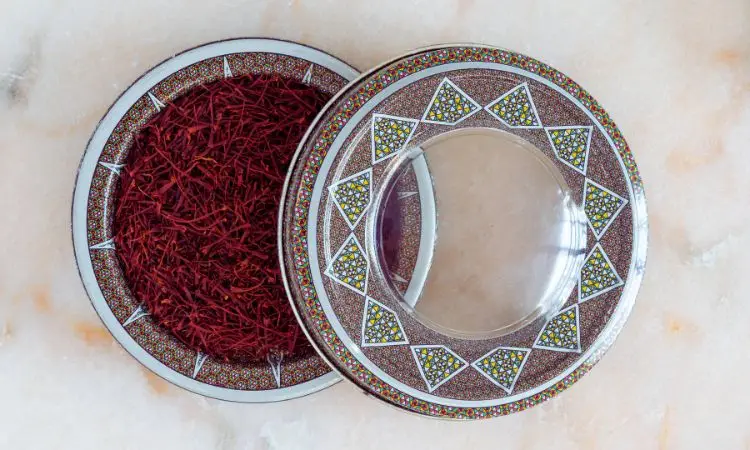
Container selection significantly impacts temperature stability and overall preservation success. Professional storage requires materials that provide thermal insulation and environmental protection.
Glass Containers
Airtight glass jars offer excellent temperature stability, prevent oxidation, and allow quality monitoring. Glass provides superior protection against external temperature fluctuations.
Vacuum-Sealed Systems
For maximum protection, vacuum-sealed containers remove air and create stable microclimates. These systems excel at maintaining consistent internal temperatures regardless of external fluctuations.
Professional-Grade Options
Commercial storage solutions utilize specialized materials engineered for spice preservation, offering superior temperature control and extended shelf life.
Humidity Control and Temperature Interaction
Maintaining optimal moisture levels (8-12%) works synergistically with temperature control for comprehensive preservation. Saffron moisture protection becomes especially critical in temperature-controlled environments.
Preventing Moisture Damage
- Use desiccant packets to absorb excess humidity
- Monitor relative humidity with hygrometers
- Maintain consistent temperatures to prevent condensation
- Store in airtight containers to minimize moisture exposure
Temperature fluctuations can cause moisture condensation, leading to mold growth and quality degradation.
Light Exposure and Temperature Interaction
Light exposure effects intensify at higher temperatures, accelerating saffron degradation. The combination of heat and light creates particularly damaging conditions for saffron’s delicate compounds.
UV radiation breaks down crocin pigments, while elevated temperatures accelerate this photodegradation process. Dark storage environments protect against both light damage and temperature fluctuations.
Common Temperature Storage Mistakes
Understanding and avoiding these critical errors ensures optimal saffron preservation:
Temperature Fluctuation Issues
Sudden temperature changes stress saffron’s chemical structure, causing accelerated degradation. Consistent temperature maintenance is more important than achieving perfect temperatures.
Storage Location Errors
Common problematic locations include:
- Near heat sources (ovens, radiators)
- Direct sunlight exposure areas
- High-traffic zones with frequent temperature changes
- Humid environments (bathrooms, basements)
Professional saffron preservation tips emphasize location stability over convenience.
Long-Term vs Short-Term Storage Requirements
Storage requirements vary significantly based on intended preservation duration and usage patterns.
Short-Term Storage: Room temperature (60-70°F) works adequately for saffron used within 6 months. Focus on consistent conditions rather than extreme cooling.
Long-Term Storage: Refrigeration (40-50°F) becomes essential for preservation beyond 6 months. This significantly extends saffron shelf life while maintaining quality.
Understanding these distinctions helps optimize storage investments and preservation strategies.
Professional Storage Methods for Bulk Quantities
Commercial operations require specialized saffron long-term storage solutions that maintain quality across large quantities.
Commercial Storage Solutions
Professional facilities utilize:
- Climate-controlled environments with precise temperature regulation
- Industrial-grade humidity control systems
- Automated monitoring and alert systems
- Specialized packaging materials for bulk quantities
Industrial Best Practices
- Implement strict temperature logging protocols
- Use inventory rotation systems (FIFO)
- Maintain redundant climate control systems
- Regular quality testing and monitoring
These professional methods ensure consistent quality for commercial distribution and long-term inventory management.
Expert Storage Recommendations
Chef’s Wisdom: Store saffron like a fine wine investment – in consistent, cool, dark conditions. Quality sourcing from reputable suppliers combined with proper temperature storage creates lasting culinary value.
Food Scientist’s Advice: Document all storage conditions and monitor quality indicators regularly. This data helps optimize future storage decisions and ensures you’re always cooking with saffron at peak quality.
Conclusion
Mastering saffron temperature storage transforms this precious spice from a fragile commodity into a reliable culinary asset. By implementing proper temperature control, humidity management, and container selection, you preserve saffron’s exceptional qualities for extended periods.
Remember that effective storage begins with understanding saffron’s sensitivity and continues through consistent application of proper techniques. Whether storing small quantities for home use or managing commercial inventories, temperature control remains the foundation of quality preservation.
Learning to recognize signs of saffron spoilage helps maintain quality standards and ensures your investment in this precious spice continues delivering exceptional culinary experiences.
Frequently Asked Questions
What’s the optimal temperature range for storing saffron? The ideal range is 60-70°F (15-21°C) for short-term storage and 40-50°F (4-10°C) for long-term preservation.
How does temperature affect saffron’s chemical composition? High temperatures cause thermal degradation of key compounds (crocin, picrocrocin, safranal).
How does temperature affect saffron’s chemical composition? High temperatures cause thermal degradation of key compounds (crocin, picrocrocin, safranal), leading to color loss, flavor deterioration, and aroma reduction.
What are the critical temperature thresholds for saffron storage? Temperatures above 85°F (29°C) cause rapid quality deterioration, while temperatures below 32°F (0°C) can lead to freezer burn and structural damage.
How does humidity interact with temperature in saffron storage? Temperature fluctuations can cause moisture condensation, leading to mold growth. Maintaining both stable temperature (40-70°F) and optimal humidity (8-12%) is essential for preservation.
What containers work best for temperature-controlled storage? Airtight glass jars, ceramic containers, and vacuum-sealed systems provide the best temperature stability and protection from environmental fluctuations.
How do long-term and short-term storage requirements differ? Short-term storage (up to 6 months) can use room temperature (60-70°F), while long-term storage (6+ months) requires refrigeration temperatures (40-50°F) for optimal preservation.
What are common temperature storage mistakes to avoid? Avoid storing saffron near heat sources, in areas with temperature fluctuations, direct sunlight exposure, or locations with high humidity levels that compromise quality.