

Saffron Safe for Babies & Kids: Complete Pediatric Safety Guide
📌 Quick Answer: Saffron may be introduced to babies after 6 months in extremely small amounts (tiny pinch) under pediatric supervision. While traditional cultures use saffron for children, limited scientific evidence supports specific benefits for infants. Always consult your pediatrician before introducing saffron to ensure safety and appropriate dosing for your child’s individual needs.
Saffron, often called “red gold,” has been treasured by cultures worldwide for centuries. Understanding what saffron is reveals why this precious spice, known for its distinctive aroma, golden color, and unique taste, appears in famous Mediterranean dishes like paella, Persian rice meals such as Zereshk Polo, and delicious Middle Eastern desserts like Mahalabia and baklava.
With renewed interest in natural wellness approaches, many parents explore traditional remedies to support their children’s health. The appeal of ancient botanical wisdom, combined with growing curiosity about natural supplements for babies and children, raises important questions about saffron’s role in pediatric nutrition.
Pediatric Safety Warning: While saffron has traditional uses in various cultures for children, parents should exercise extreme caution and always consult healthcare professionals before introducing any new substance to infant diets. Individual children may react differently, and what’s traditional isn’t always scientifically proven safe.
This comprehensive guide examines the safety considerations, potential benefits, and essential precautions when contemplating saffron introduction into young children’s diets, emphasizing evidence-based approaches and medical supervision.

Understanding Saffron: Botanical Origins and Properties
Scientific Foundation and Cultivation
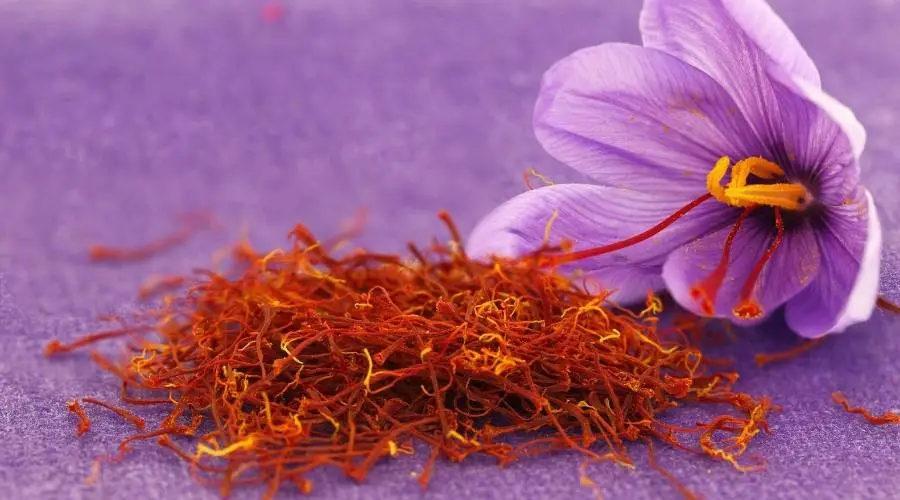
Saffron cultivation involves harvesting delicate stigmas from Crocus sativus flowers, making it one of the world’s most expensive spices. Each flower yields only three stigmas, requiring thousands of flowers to produce a single gram of this precious spice.
Botanical Characteristics:
- Scientific Name: Crocus sativus
- Family: Iridaceae
- Primary Origins: Greece, Iran, India, Spain, and Italy
- Harvesting Method: Hand-picked at dawn for optimal potency
- Processing: Careful drying to preserve bioactive compounds
Bioactive Compounds and Properties
Primary Active Components:
- Crocin: Carotenoid responsible for the vibrant golden color and antioxidant properties
- Safranal: A Volatile compound creating a distinctive aroma with potential neurological effects
- Picrocrocin: A Glucoside contributing to the subtle bitter taste and biological activity
- Kaempferol: Flavonoid with anti-inflammatory properties
These compounds contribute to saffron’s health benefits in adults, but their effects on developing children require careful consideration and professional evaluation.
Traditional Culinary Applications
Global Cuisine Integration:
- Mediterranean dishes: Spanish paella, French bouillabaisse, Italian risotto
- Middle Eastern preparations: Aromatic rice dishes, tagines, kebabs
- Persian specialties: Tahdig, Zereshk Polo, Ashe-E-Reshteh
- Dessert applications: Baklava, Mahalabia, Fereni, saffron ice cream
- Beverage uses: Saffron tea, milk drinks, ceremonial preparations
Historical Context and Traditional Pediatric Uses
Cultural Perspectives on Saffron for Children
Traditional Applications Across Cultures: Various cultures have historically used saffron in pediatric contexts, though these practices developed without modern safety testing or scientific validation.
Persian Traditional Medicine:
- Saffron mixed with milk for calming effects
- Small amounts of porridge for digestive comfort
- Traditional belief in cognitive enhancement properties
- Use in addressing childhood respiratory issues
Ayurvedic Approaches: Saffron in ancient medicine includes pediatric applications for:
- Supporting healthy growth and development
- Addressing digestive concerns in children
- Traditional mood stabilization practices
- Skin health applications for infants
Mediterranean Folk Medicine:
- Saffron-infused honey for respiratory comfort
- Diluted preparations for digestive support
- Traditional calming remedies for restless children
- Cultural practices around growth and vitality
Important Consideration: Traditional use doesn’t guarantee modern safety standards. These historical practices developed without a contemporary understanding of pediatric physiology, appropriate dosing, or potential adverse effects.
Potential Benefits: Examining the Evidence
Cognitive Development Considerations
Theoretical Mechanisms: Some research suggests saffron’s bioactive compounds might support neurological function, but pediatric-specific studies remain limited.
Potential Areas of Interest:
- Memory support: Crocin and safranal may influence neurotransmitter activity
- Focus enhancement: Traditional beliefs about attention improvement
- Mood stabilization: Historical use for emotional balance in children
- Neuroprotective properties: Antioxidant effects on developing nervous systems
Scientific Limitations: Most research focuses on adult populations, making pediatric extrapolation inappropriate without professional medical assessment.
Growth and Development Support
Nutritional Considerations:
- Calcium absorption: Traditional belief in enhanced bone development supports
- Immune system: Antioxidant properties potentially supporting immune function
- Digestive health: Historical use for gentle digestive support
- General vitality: Cultural beliefs about overall health enhancement
Respiratory Health Applications
Traditional Respiratory Support:
- Anti-inflammatory properties potentially addressing respiratory discomfort
- Historical use alongside other treatments for mild asthma symptoms
- Traditional applications for opening airways
- Cultural practices for reducing respiratory inflammation
Medical Disclaimer: These applications require professional medical evaluation and should never replace established pediatric respiratory treatments.
Sleep and Calming Effects
Traditional Calming Applications:
- Saffron-infused milk before bedtime in various cultures
- Traditional beliefs about promoting restful sleep
- Historical use for reducing restlessness in children
- Cultural practices for supporting sleep cycle regulation
Critical Safety Guidelines and Medical Considerations
Age-Specific Recommendations
Professional Medical Consensus:
- Before 6 months: Generally not recommended due to immature digestive systems
- 6-12 months: Only under strict pediatric supervision with minimal amounts
- Older children: Gradually increased amounts with continued medical oversight
- Individual assessment: Each child requires a personalized evaluation
Dosage Considerations and Safety Thresholds
Extremely Conservative Approach Required:
- Infants (6-12 months): Tiny pinch (less than 0.01g) if recommended by pediatrician
- Toddlers (1-3 years): Up to 0.02-0.05g under medical supervision
- Young children (3-6 years): Maximum 0.1g with professional guidance
- Older children: Still requiring careful monitoring and dosage control
Critical Safety Note: These are theoretical maximums that require individual medical assessment. Many pediatricians may recommend avoiding saffron entirely until older ages.
Preparation and Administration Methods
Safe Preparation Techniques: Learning how to cook with saffron for children requires extreme precision and care.
Recommended Methods:
- Infusion technique: Soak 1-2 threads in warm milk or water for 10-15 minutes
- Dilution approach: Further dilute the infusion before use
- Integration method: Mix small amounts into familiar foods
- Quality control: Use only authentic, high-grade saffron sources
Monitoring and Safety Protocols
Essential Monitoring Requirements:
- Initial introduction: Observe for 24-48 hours after first exposure
- Allergic reactions: Watch for rashes, digestive upset, or behavioral changes
- Ongoing assessment: Regular evaluation of benefits versus any potential effects
- Professional communication: Maintain open dialogue with pediatric healthcare providers
Recognizing Potential Adverse Effects
Allergic Reactions and Sensitivities
Warning Signs to Monitor:
- Skin reactions: Rashes, hives, unusual skin irritation, or redness
- Digestive symptoms: Unusual vomiting, diarrhea, or stomach discomfort
- Behavioral changes: Excessive fussiness, lethargy, or unusual restlessness
- Respiratory symptoms: Any changes in breathing patterns or comfort
Overconsumption Risks
Potential Symptoms of Excessive Intake: Understanding saffron side effects helps parents recognize concerning symptoms:
- Gastrointestinal distress: Nausea, vomiting, or severe digestive upset
- Cardiovascular effects: Changes in heart rate or blood pressure
- Neurological symptoms: Unusual drowsiness, agitation, or coordination issues
- Systemic reactions: Any concerning changes in overall well-being
Emergency Response Protocol
Immediate Actions if Adverse Reactions Occur:
- Discontinue use immediately upon noticing any concerning symptoms
- Contact a pediatrician or emergency services for severe reactions
- Document symptoms, including timing, severity, and progression
- Preserve samples of any saffron product used for medical evaluation
- Seek immediate care for breathing difficulties or severe allergic reactions
Quality Sourcing and Product Selection
Ensuring Saffron Purity and Safety
Quality Standards for Pediatric Use:
- Organic certification: Avoiding pesticides and chemical treatments
- Third-party testing: Verification of purity and absence of contaminants
- Authentic sourcing: Verified origin from reputable growing regions
- Proper storage: Products are maintained in optimal conditions
Red Flags to Avoid:
- Unusually low-priced products suggesting possible adulteration
- Lack of clear origin or processing information
- Products without proper packaging or storage protection
- Suppliers without established quality assurance practices
Professional Medical Consultation Requirements
Essential Healthcare Provider Discussions:
- Individual assessment: Child’s specific health history and current status
- Timing considerations: Appropriate age and developmental readiness
- Dosage guidance: Personalized recommendations based on weight and age
- Monitoring protocols: Establishing appropriate observation schedules
Questions for Healthcare Providers:
- Is saffron appropriate for my child’s current age and health status?
- What dosage (if any) would be considered safe for my child?
- What symptoms should prompt immediate discontinuation?
- How should I monitor my child’s response to saffron introduction?
- Are there any medications or conditions that contraindicate saffron use?
Alternative Approaches and Safer Options
Child-Safe Spices and Herbs
Safer Alternatives for Pediatric Nutrition:
- Mild turmeric: Anti-inflammatory properties with established safety profiles
- Ginger (minimal amounts): Digestive support with better-studied pediatric use
- Cinnamon: Flavor enhancement with traditional safety in small amounts
- Cardamom: Gentle digestive support with cultural pediatric use
Natural Approaches to Child Wellness
Evidence-Based Alternatives:
- Balanced nutrition: Focus on diverse, whole foods for optimal development
- Regular sleep schedules: Natural approaches to rest and calm
- Physical activity: Age-appropriate movement for overall health
- Stress reduction: Gentle environmental modifications for calming effects
Integration with Modern Pediatric Care
Complementary Medicine Considerations
Integrative Approach Benefits:
- Professional coordination: Working with pediatricians who understand both conventional and traditional approaches
- Evidence-based integration: Combining traditional wisdom with modern safety standards
- Individualized care: Tailoring approaches to each child’s specific needs
- Safety-first priority: Always prioritizing proven safety over theoretical benefits
Ongoing Research and Future Developments
Areas Requiring Further Study:
- Long-term effects of early saffron exposure in children
- Optimal dosing guidelines for different pediatric age groups
- Interaction studies with common childhood medications
- Comparative effectiveness with established pediatric treatments
Current Research Limitations: Most saffron research focuses on adult populations, creating significant knowledge gaps regarding pediatric applications, appropriate dosing, and long-term safety considerations.
Realistic Expectations and Balanced Perspectives
Managing Parental Expectations
Balanced Approach to Claims:
- Traditional doesn’t equal proven: Historical use doesn’t guarantee modern safety or effectiveness
- Individual variation: Children may respond very differently to the same substance
- Professional guidance essential: Medical supervision significantly improves safety outcomes
- Conservative approach preferred: Erring on the side of caution protects children’s health
When to Consider Avoiding Saffron
Circumstances Suggesting Avoidance:
- Very young infants: Under 6 months or as advised by pediatrician
- Known allergies: Family history of spice or plant allergies
- Medical conditions: Any ongoing health issues requiring medical management
- Medication use: Children taking prescription medications
- Parental uncertainty: When parents feel unsure about safety or appropriateness
Conclusion: Prioritizing Safety in Pediatric Saffron Use
The question of saffron safety for babies and children requires a carefully balanced approach that respects both traditional wisdom and modern pediatric safety standards. While various cultures have historically used saffron in pediatric contexts, the lack of comprehensive scientific studies on children specifically means that extreme caution and professional medical guidance are essential.
Key Safety Principles:
- Medical consultation mandatory: Never introduce saffron without pediatric approval
- Conservative dosing: If approved, use minimal amounts with careful monitoring
- Quality sourcing: Only use pure, authentic saffron from reputable suppliers
- Vigilant monitoring: Watch carefully for any adverse reactions or changes
- Individual assessment: Each child requires a personalized evaluation and approach
Realistic Perspective: Traditional use of saffron in various cultures provides an interesting historical context, but parents should approach such practices with healthy skepticism and prioritize evidence-based pediatric care. The potential benefits, while intriguing, require more research, specifically focused on pediatric populations.
Professional Guidance Essential: The complexity of pediatric nutrition and the potency of saffron’s bioactive compounds make professional medical consultation not just advisable but essential. Pediatricians can provide individualized guidance based on each child’s specific health profile, developmental stage, and family medical history.
Ultimately, while saffron may have a place in some children’s diets under appropriate medical supervision, parents should prioritize proven, safe approaches to pediatric nutrition and wellness, viewing any traditional remedies as potential complements rather than replacements for established pediatric care practices.
FAQs (Frequently Asked Questions)
At what age can babies safely try saffron, and how much is appropriate?
Most pediatric guidelines suggest waiting until at least 6 months of age, and only with pediatrician approval. If recommended, start with extremely small amounts (tiny pinch) mixed into familiar foods. The dosage should be individualized based on the child’s age, weight, and health status, with professional medical supervision throughout the introduction process.
**What are the claimed benefits of saffron for children, and how reliable is this evidence?**
Traditional cultures claim saffron supports cognitive development, immune function, digestive health, and sleep quality in children. However, these claims lack robust scientific evidence, specifically from pediatric studies. Most saffron research focuses on adults, making it inappropriate to assume the same benefits or safety apply to children. The reliability of these claims ranges from theoretical (based on adult studies) to unsubstantiated (based purely on traditional use).
What potential side effects should parents watch for when giving saffron to children?
Parents should monitor for allergic reactions (rashes, hives, digestive upset), changes in behavior (unusual fussiness or lethargy), gastrointestinal symptoms (nausea, vomiting, diarrhea), and any respiratory changes. More serious concerns include blood pressure changes, excessive drowsiness, or coordination problems. Any concerning symptoms warrant immediate discontinuation and medical consultation.
Are there safer alternatives to saffron that provide similar benefits for children?
Yes, evidence-based alternatives include balanced nutrition with diverse whole foods, established sleep routines, age-appropriate physical activity, and stress reduction techniques. If seeking specific benefits like digestive support, mild amounts of well-studied options like ginger (under medical guidance), or focusing on proven approaches like dietary fiber and probiotics may be safer choices.
Should I give my child saffron supplements or use cooking saffron?
Neither should be used without pediatric consultation. If a healthcare provider approves saffron use, culinary-grade saffron in extremely small amounts mixed into food is generally preferable to concentrated supplements. Supplements designed for children are not widely available and lack pediatric safety data. Always prioritize medical guidance over product marketing claims.
What should I do if my child accidentally consumes a large amount of saffron?
Contact your pediatrician or poison control immediately, regardless of whether symptoms are present. Document the amount consumed, timing, and any symptoms that develop. Do not induce vomiting unless specifically instructed by medical professionals. Monitor breathing, consciousness, and overall condition while seeking professional guidance.
Is there scientific research specifically studying saffron safety in babies and children?
Limited research exists specifically examining saffron safety in pediatric populations. Most studies focus on adult subjects, creating significant knowledge gaps regarding appropriate pediatric dosing, long-term safety, and effectiveness. This lack of pediatric-specific research is precisely why medical consultation is crucial before considering saffron use in children.