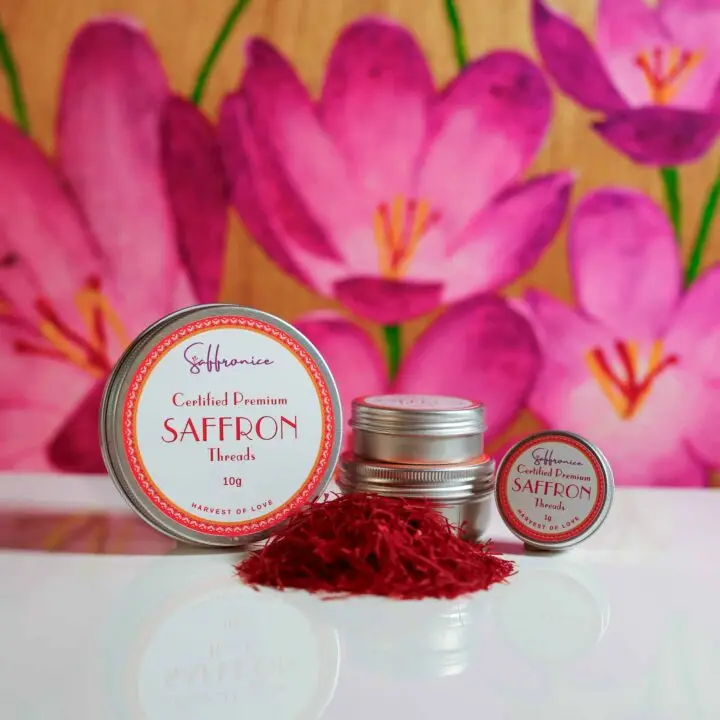


Saffron, derived from the delicate crimson stigmas of the Crocus sativus flower, has long been revered for diverse therapeutic applications. This precious spice has garnered growing interest as a natural remedy for managing various types of body aches, from muscle soreness to joint discomfort. Its potential to alleviate inflammation and promote pain relief makes it a compelling option for those seeking a gentler approach to managing discomfort.
🔑 Key Takeaways:
- Saffron has been used for millennia in traditional medicine to manage pain and inflammation
- Active compounds (crocin and safranal) possess potent anti-inflammatory and pain-relieving properties
- Can be applied topically or consumed internally for natural relief from various body aches
- Safe and effective alternative to conventional pain medications with minimal side effects when used appropriately
- Clinical studies validate traditional uses for chronic pain, arthritis, and neuropathic pain
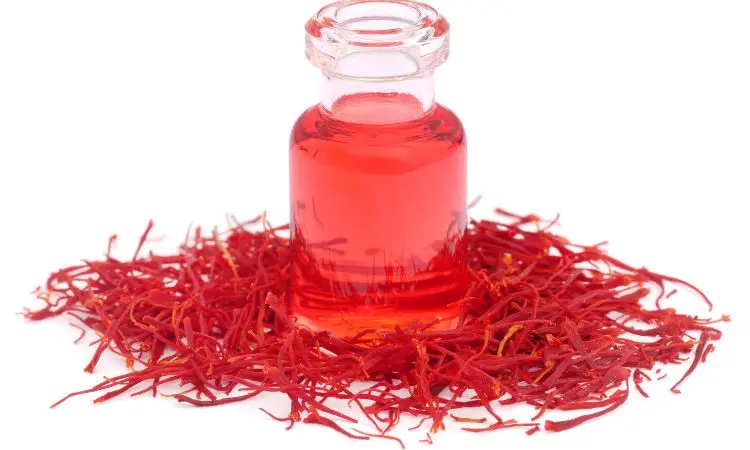
Understanding Saffron’s Historical Use in Pain Management
Saffron possesses a remarkable history spanning thousands of years as a natural remedy for pain relief. Across diverse ancient cultures, saffron was revered for versatile healing properties, with particular focus on its ability to alleviate various types of bodily discomfort.
Ancient Medical Traditions and Saffron
In ancient Persian medical practices, saffron was highly esteemed for its analgesic (pain-relieving) effects. Persian scholars and physicians documented saffron’s use in treating headaches, menstrual cramps, and even severe forms of pain associated with certain neurological conditions. The renowned Persian polymath Avicenna, in his influential medical text “The Canon of Medicine,” extensively discussed saffron’s analgesic properties and applications in traditional Persian medicine.
Historical Applications Across Cultures:
Traditional Chinese Medicine: Utilized saffron for centuries to address joint pain, muscle aches, and digestive discomfort. TCM practitioners classified saffron as having warming properties that could invigorate blood circulation and dispel stagnation—concepts that align with modern understanding of its anti-inflammatory effects.
Ancient Greece and Rome: Medical texts reference saffron as a natural analgesic for various types of physical pain. Hippocrates, the “Father of Medicine,” documented saffron’s use in treating headaches and menstrual cramps. Dioscorides included detailed descriptions of saffron’s pain-relieving applications in his first-century work “De Materia Medica.”
Ayurvedic Medicine: Indian traditional medicine incorporated saffron into formulations for addressing inflammation-related pain, viewing it as a valuable remedy for balancing the body’s systems and reducing discomfort.
| Culture | Traditional Pain Management Uses |
|---|---|
| Ancient Persia | Headaches, menstrual cramps, neurological pain |
| Traditional Chinese Medicine | Joint pain, muscle aches, digestive discomfort, blood circulation |
| Ancient Greece and Rome | Various physical pain conditions, headaches, inflammation |
| Ayurvedic Medicine | Inflammatory pain, systemic balance, chronic discomfort |
Food Scientist’s Note: The convergence of independent traditional medical systems all recognizing saffron’s pain-relieving properties provides compelling evidence for genuine therapeutic effects rather than cultural folklore. This cross-cultural validation laid the groundwork for modern scientific investigation.
The Science Behind Saffron Pain Relief
Recent scientific research has illuminated the mechanisms behind saffron’s analgesic and anti-inflammatory effects, providing deeper understanding of its therapeutic potential. The science-backed benefits of saffron for pain management continue to accumulate through rigorous clinical studies.
At the core of saffron’s pain-relieving abilities are its active compounds, primarily crocin and safranal. These bioactive components interact with the body’s pain receptors and inflammatory pathways, effectively reducing discomfort and inflammation.
Mechanisms of Pain Relief
Crocin’s Analgesic Properties: This carotenoid compound modulates pain perception by interacting with the endogenous opioid system. Research demonstrates that crocin can alleviate both acute and chronic pain by:
- Modulating neurotransmitter systems involved in pain signaling
- Reducing pro-inflammatory cytokines that sensitize pain receptors
- Protecting nerve cells from oxidative damage
- Inhibiting inflammatory enzyme pathways
Safranal’s Anti-inflammatory Action: This aromatic compound targets specific inflammatory mediators and enzymes, suppressing the body’s inflammatory response. Safranal’s mechanisms include:
- Inhibiting COX-2 enzyme activity (similar to NSAIDs but without harsh side effects)
- Reducing production of inflammatory prostaglandins
- Suppressing NF-κB inflammatory signaling pathway
- Providing antioxidant protection against oxidative stress
The scientific evidence surrounding saffron’s pain-relieving capabilities continues to grow, paving the way for increased incorporation into natural and holistic pain management strategies.
Key Compounds in Saffron for Pain Management
Saffron’s therapeutic benefits lie in its unique bioactive compounds, each playing crucial roles in alleviating discomfort and reducing inflammation. Understanding these compounds helps explain saffron’s remarkable effectiveness.
Crocin and Its Pain-Relieving Properties
At the forefront of saffron’s pain-fighting arsenal is crocin, a powerful carotenoid compound with well-documented analgesic effects. Numerous studies demonstrate crocin’s ability to effectively manage pain, particularly in conditions like osteoarthritis and neuropathic pain.
Clinical Evidence for Crocin:
- Reduces pain intensity in osteoarthritis patients
- Alleviates neuropathic pain by protecting nerve tissue
- Modulates multiple pain pathways simultaneously
- Exhibits dose-dependent pain-relieving effects
By modulating various pain pathways and inhibiting production of pro-inflammatory substances, crocin has emerged as a natural and potent analgesic comparable to some pharmaceutical options but with superior safety profiles.
Safranal as an Anti-inflammatory Agent
Safranal has been extensively studied for its anti-inflammatory effects. This aromatic compound suppresses activity of inflammatory mediators such as cytokines and prostaglandins, thereby reducing swelling and discomfort associated with various inflammatory conditions.
Safranal’s Therapeutic Mechanisms:
- Reduces inflammatory markers in blood
- Inhibits enzymes responsible for prostaglandin synthesis
- Modulates immune system response
- Provides neuroprotective effects that support pain reduction
Additional Bioactive Components
Picrocrocin: Contributes to saffron’s characteristic bitter taste and exhibits anti-nociceptive (pain-relieving) effects. Research suggests it may work synergistically with other saffron compounds to enhance overall analgesic properties.
Crocetin: Demonstrates anti-inflammatory and neuroprotective properties beneficial in managing various pain conditions. Its enhanced bioavailability compared to crocin makes it particularly valuable for systemic effects.
| Bioactive Compound | Primary Mechanism | Therapeutic Benefits |
|---|---|---|
| Crocin | Modulates pain pathways, inhibits inflammatory substances | Effective analgesic and anti-inflammatory |
| Safranal | Suppresses inflammatory mediators | Potent anti-inflammatory, neuroprotective |
| Picrocrocin | Anti-nociceptive effects | Pain-relieving properties |
| Crocetin | Anti-inflammatory and neuroprotective | Benefits various pain conditions |
Food Scientist’s Note: The synergistic action of these bioactive components—working together rather than in isolation—explains why whole saffron extracts often demonstrate superior therapeutic effects compared to isolated compounds. This “entourage effect” represents a key advantage of natural remedies over single-molecule pharmaceuticals.
How Saffron Fights Inflammation and Reduces Pain
Saffron’s remarkable ability to combat inflammation and alleviate chronic pain stems from its rich bioactive compounds working through multiple complementary pathways. Unlike conventional anti-inflammatory medications that can bring unwanted side effects, saffron’s natural properties offer a gentler, more holistic approach.
Dual-Action Pain Management
Reducing Inflammation: Crocin and crocetin demonstrate potent anti-inflammatory effects by reducing production of inflammatory markers such as cytokines and prostaglandins. This action calms the body’s inflammatory response—often the root cause of various pain types including chronic pain and arthritis.
Blocking Pain Signals: Safranal acts as a natural analgesic by modulating pain signaling pathways and inhibiting transmission of pain impulses to the brain. This dual-action approach of reducing inflammation while blocking pain signals makes saffron a versatile and effective natural remedy.
Comprehensive Pain Management Benefits
Saffron’s antioxidant and neuroprotective qualities further contribute to addressing pain’s root causes. The powerful antioxidants in saffron protect nerve tissue from oxidative damage that can perpetuate chronic pain conditions.
Advantages Over Conventional Treatments:
- No gastrointestinal irritation common with NSAIDs
- No risk of addiction associated with opioid pain medications
- Supports overall health while addressing pain
- Can be used long-term without tolerance development
- Provides additional cardiovascular benefits
The combination of anti-inflammatory, analgesic, antioxidant, and neuroprotective properties positions saffron as a comprehensive solution for individuals seeking natural, sustainable pain management approaches.
Natural Saffron Pain Relief Methods and Applications
Saffron offers versatile application methods for pain relief, allowing individuals to choose approaches best suited to their needs and preferences.
Topical Applications
One of the most convenient ways to harness saffron’s pain-relieving power is through topical applications. Saffron-infused creams, lotions, or essential oil blends can directly target areas of discomfort.
Topical Application Guidelines:
- Apply saffron-infused oil or cream to affected areas 2-3 times daily
- Use gentle massage to enhance absorption
- Allow 15-20 minutes for compounds to penetrate skin
- Particularly effective for localized muscle soreness, joint pain, or inflammation
- Combine with carrier oils like coconut or almond oil for enhanced penetration
The active compounds in saffron—particularly crocin and safranal—can penetrate skin to provide localized pain relief and reduce inflammation at the application site.
Internal Consumption Guidelines
Saffron can be consumed internally to address systemic pain and promote overall well-being. Several effective methods include:
Saffron Tea: Steep 5-7 saffron threads in hot water for 10-15 minutes. This traditional preparation method, detailed in our guide to saffron tea benefits, provides gentle systemic pain relief.
Saffron Supplements: Standardized saffron extract capsules offer convenient, consistent dosing for pain management protocols.
Culinary Integration: Incorporate saffron into daily cooking—adding to rice dishes, soups, or warm milk beverages provides ongoing therapeutic benefits.
Proper Dosage and Timing
Research suggests that daily intake of 30-50 milligrams of saffron extract effectively reduces pain and inflammation. However, starting with lower doses and gradually increasing while monitoring your body’s response is advisable. For comprehensive dosage guidance, consult with healthcare professionals.
| Application Method | Recommended Dosage | Optimal Timing |
|---|---|---|
| Topical | 2-3% saffron-infused cream/oil | Apply as needed, up to 3 times daily |
| Oral Supplement | 30-50mg saffron extract | Once daily, preferably with meals |
| Saffron Tea | 5-7 threads per cup | 1-2 cups per day |
| Culinary Use | Small pinch in cooking | Regular incorporation into meals |
Food Scientist’s Note: Consistency matters more than exact dosing. Regular, sustained use over several weeks typically produces more significant and lasting pain relief compared to sporadic high-dose applications.
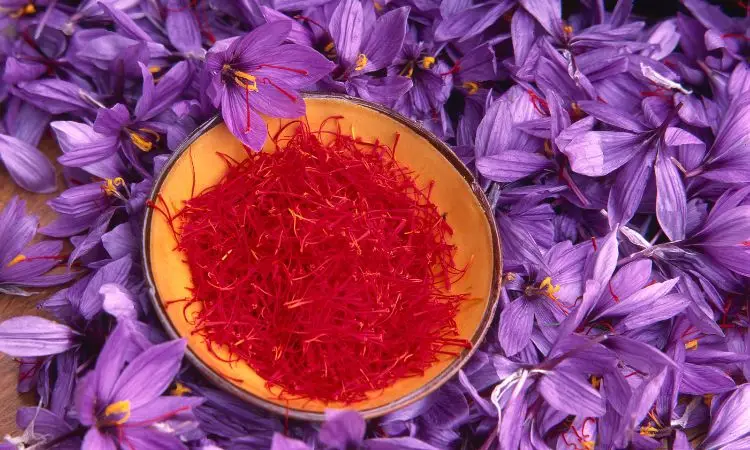
Saffron for Specific Pain Conditions
Research demonstrates saffron’s effectiveness for various specific pain conditions, offering targeted relief for diverse needs.
Arthritis Pain Relief
Osteoarthritis—a common form of joint deterioration marked by chronic pain and inflammation—responds particularly well to saffron supplementation. Clinical studies indicate that saffron’s active compounds possess anti-inflammatory and analgesic effects that alleviate arthritis symptoms.
Arthritis Benefits:
- Reduces joint stiffness and improves mobility
- Decreases pain intensity during movement
- Reduces reliance on traditional pain medications
- Protects cartilage from further oxidative damage
- Improves overall quality of life for arthritis patients
Neuropathic Pain Reduction
Neuropathic pain—stemming from nerve damage or dysfunction—manifests as burning, tingling, or shooting sensations. Saffron demonstrates potential for alleviating this challenging type of chronic pain.
Animal studies show that saffron’s antioxidant and anti-inflammatory properties inhibit pathways contributing to nerve-related discomfort. The neuroprotective effects of safranal and crocin help protect damaged nerves while reducing pain signal transmission.
Menstrual Cramps
Research suggests saffron supplementation can reduce intensity and duration of menstrual pain. Studies demonstrate that saffron works by modulating prostaglandin release—key players in the inflammatory response associated with menstrual cramps.
Benefits for Menstrual Pain:
- Reduces cramping intensity
- Shortens duration of discomfort
- Improves mood during menstruation
- Provides gentle, non-pharmaceutical relief
Clinical Evidence: A study found that women taking 30mg of saffron daily experienced significantly reduced menstrual pain compared to placebo groups, with effects comparable to commonly used pain medications but with fewer side effects.
Combining Saffron with Other Natural Pain Remedies
The true power of saffron can be amplified when combined with other complementary natural pain relief methods, creating synergistic effects that enhance overall efficacy.
Complementary Natural Remedies
Turmeric: Shares saffron’s anti-inflammatory abilities and works synergistically when used together. The combination provides comprehensive inflammation reduction through multiple pathways.
Ginger: Another potent natural anti-inflammatory that pairs well with saffron for addressing pain’s root causes.
Boswellia: This traditional herb complements saffron’s effects, particularly for joint pain and arthritis relief.
Omega-3 Fatty Acids: Support overall inflammation reduction and enhance saffron’s cardiovascular benefits.
Lifestyle Integration
Beyond herbal remedies, certain lifestyle practices enhance saffron’s pain-relieving properties:
- Mindfulness meditation: Helps manage stress that can exacerbate pain perception
- Gentle exercise: Movement supports circulation and overall pain management
- Adequate sleep: Essential for the body’s natural healing processes
- Stress management: Reduces inflammatory responses that worsen pain
By incorporating saffron into a comprehensive natural pain management regimen, individuals experience synergistic benefits from this integrative approach—providing a more well-rounded and sustainable path to relief.
Safety Considerations and Potential Side Effects
While saffron is generally safe as a natural remedy, understanding safety considerations and potential side effects ensures responsible use.
Recommended Dosage Limits
The recommended dosage of saffron for pain relief typically ranges between 30-50 milligrams per day, taken in divided doses. Following these guidelines is crucial—higher doses may increase side effect risks.
Safe Usage Parameters:
- Standard dose: 30-50mg daily for therapeutic effects
- Maximum safe dose: Up to 1.5 grams considered safe for most adults
- Duration: Can be used long-term under professional guidance
- Onset: Allow 4-6 weeks for full therapeutic effects
Drug Interactions and Precautions
Saffron may interact with certain medications, requiring consultation with healthcare professionals before use:
Potential Interactions:
- Blood thinners: Saffron may enhance anticoagulant effects
- Antidepressants: Possible interactions with SSRIs and MAOIs
- Sedatives: May enhance sedative effects
- Blood pressure medications: Can potentially lower blood pressure further
Individuals with underlying medical conditions such as bleeding disorders, liver problems, or kidney issues should exercise caution and seek medical advice before using saffron.
Who Should Avoid Saffron
Certain populations should avoid or use saffron with extreme caution:
- Pregnant women: High doses may stimulate uterine contractions
- Children and adolescents: Limited safety research in this age group
- Individuals with saffron allergies: Those with sensitivities to related plants
- Pre-surgical patients: Discontinue 2 weeks before scheduled surgery due to blood-thinning effects
Sourcing and Quality Considerations
To experience saffron’s full pain-relieving benefits, sourcing high-quality products is essential. Quality significantly impacts therapeutic efficacy.
Identifying Quality Saffron
When purchasing saffron, consider several factors affecting quality and therapeutic properties:
Origin: Growing conditions, soil, and climate affect concentration of active compounds. Premium sources include Iran, Spain, and Kashmir—regions known for producing high-quality saffron with optimal crocin and safranal content.
Appearance: High-quality saffron threads should be:
- Deep crimson-red in color
- Trumpet-shaped at the end
- Dry but not brittle
- Free from yellow styles or foreign material
- Uniform in size and color
Processing and Storage
Proper harvesting and processing preserve saffron’s delicate therapeutic compounds. Saffron should be carefully hand-picked and dried using traditional methods that maintain compound integrity.
Following proper storage methods is crucial:
- Store in airtight containers away from light and moisture
- Keep in cool, dark environments
- Use within 6-12 months for optimal potency
- Avoid exposure to heat which degrades active compounds
Verification and Testing
Choose saffron meeting established quality standards:
- Look for ISO 3632 grading certification
- Purchase from reputable suppliers with transparency about sourcing
- Verify lab testing results when available
- Avoid suspiciously low prices that may indicate adulteration
Food Scientist’s Note: The adage “you get what you pay for” applies strongly to saffron. Authentic, high-quality saffron commands premium prices but delivers therapeutic benefits that justify the investment for pain management applications.
Conclusion
The evidence surrounding saffron’s potential as a natural pain relief solution is both compelling and well-documented across centuries of traditional use and modern scientific validation. This ancient spice offers a remarkable alternative for managing diverse pain conditions—from muscle aches to chronic inflammatory disorders.
Whether applied topically or consumed internally, saffron provides effective relief by harnessing the power of bioactive compounds like crocin and safranal. These compounds target pain’s root causes through anti-inflammatory, analgesic, antioxidant, and neuroprotective mechanisms—offering holistic pain management without the concerning side effects of many conventional medications.
As you explore saffron as part of your pain relief regimen, consult healthcare professionals, follow proper dosage guidelines, and remain mindful of potential interactions. With appropriate guidance, saffron can be seamlessly integrated into comprehensive wellness plans, empowering you to take control of pain through natural means.
For comprehensive information about saffron’s wide-ranging therapeutic applications beyond pain management, explore our complete guide to saffron health benefits.
FAQ
What is the historical background of using saffron for pain relief?
Saffron has been used for thousands of years across multiple cultures including ancient Persian, Greek, Chinese, and Ayurvedic medical traditions. Historical figures like Hippocrates and Avicenna documented saffron’s pain-relieving properties for headaches, menstrual cramps, and various inflammatory conditions.
How does saffron work to provide pain relief?
Saffron’s pain-relieving effects come from active compounds—primarily crocin and safranal—that possess anti-inflammatory and analgesic properties. Crocin modulates pain perception through the endogenous opioid system, while safranal inhibits inflammatory pathways. Together, they reduce inflammation and alleviate various pain types including chronic, neuropathic, and musculoskeletal pain.
What are the key compounds in saffron that contribute to pain relief?
The primary bioactive compounds are crocin (potent anti-inflammatory and analgesic effects) and safranal (effective anti-inflammatory agent). Additional compounds include picrocrocin and crocetin, which work synergistically to combat inflammation and reduce pain through multiple complementary mechanisms.
How can saffron be used for natural pain relief?
Saffron can be applied topically as creams or ointments for localized pain relief, or consumed internally as supplements, teas, or incorporated into food. Recommended dosage is 30-50mg daily of saffron extract. Topical applications can be used 2-3 times daily on affected areas.
Can saffron be combined with other natural pain remedies?
Yes, saffron works synergistically with other natural remedies including turmeric, ginger, and Boswellia. These combinations may enhance overall efficacy. Lifestyle practices like meditation, gentle exercise, and stress management also complement saffron’s pain-relieving properties. Always consult healthcare professionals before combining treatments.
Are there safety considerations when using saffron for pain relief?
While generally safe at recommended dosages (30-50mg daily), saffron may interact with blood thinners, antidepressants, and diabetes medications. Pregnant women, children, and individuals with certain medical conditions should avoid use or consult healthcare providers first. Potential side effects include digestive issues or allergic reactions in sensitive individuals.
What does research say about saffron’s effectiveness for specific pain conditions?
Clinical studies show promising results for saffron in managing arthritis pain, neuropathic pain, and menstrual cramps. Research demonstrates reduced pain intensity, improved mobility, and decreased reliance on conventional pain medications. However, more large-scale studies are needed to establish definitive therapeutic guidelines.