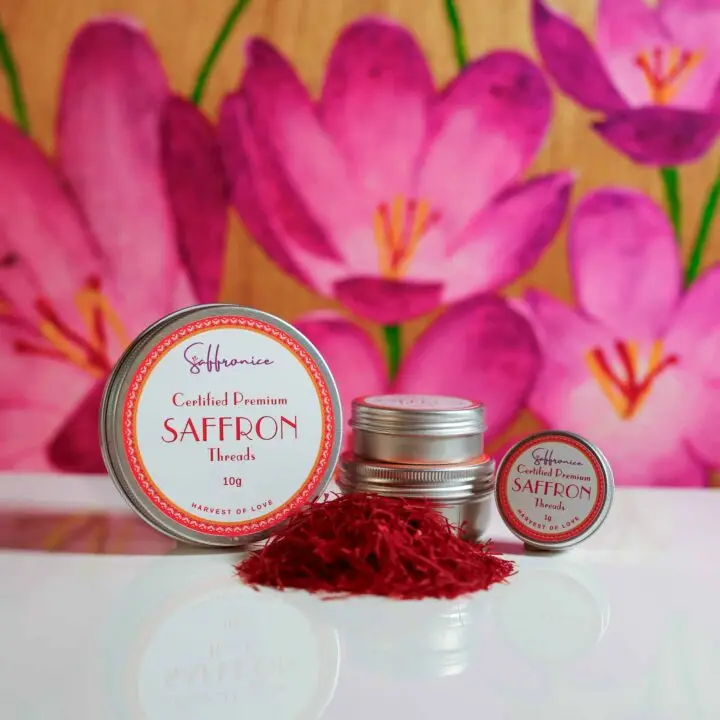


📌 Quick Answer: Saffron myths span 4,000 years, from Cleopatra’s beauty baths to Alexander the Great’s wound treatments. While some legends are exaggerated, scientific evidence confirms saffron’s medicinal properties with over 150 active compounds. The spice’s legendary value stems from its labor-intensive harvest requiring 150,000 flowers per kilogram and its documented historical importance across civilizations.
Understanding Saffron’s Legendary Status
Imagine a spice so precious it rivaled gold in ancient markets. What is saffron that commands such reverence? This golden treasure, scientifically known as Crocus sativus, has woven itself through human history for over 4,000 years, creating a tapestry of myths, legends, and fascinating truths.
The Science Behind the Legend
Saffron’s legendary status isn’t merely folklore—it’s rooted in measurable reality. This remarkable spice contains over 150 chemical compounds, many with proven medicinal and culinary benefits. The rarity stems from its extraordinary harvesting requirements: each flower produces only three precious stigmas, requiring 150,000-200,000 flowers to yield just one kilogram of dried saffron threads.
Key Legendary Claims vs Reality
Myth: Saffron was worth more than gold
Reality: Historical records show saffron often exceeded gold prices by weight
Myth: Ancient queens bathed in saffron for beauty
Reality: Archaeological evidence confirms saffron’s cosmetic use in royal courts
Myth: Saffron has magical healing powers
Reality: Modern research validates many traditional medicinal uses
Food Scientist’s Note: The concentration of bioactive compounds in saffron—particularly crocin, picrocrocin, and safranal—provides scientific backing for many historical claims about its therapeutic properties. What seemed like magic to ancient peoples was actually sophisticated biochemistry.
Ancient Civilizations and Saffron History
The history and origins of saffron reveal a spice that shaped civilizations, influenced trade routes, and inspired some of history’s most enduring legends.
Prehistoric Beginnings
The earliest evidence of saffron appreciation appears in cave paintings in modern-day Iraq, dating back approximately 50,000 years. These ancient depictions suggest our ancestors recognized saffron’s special properties long before recorded history began.
Persian and Mesopotamian Foundations
Ancient Persian and Assyrian texts from over 4,000 years ago document saffron’s medicinal applications. These civilizations believed saffron could treat over 90 different ailments—a claim that modern research increasingly supports through scientific validation.
Historical Documentation:
- Sumerian tablets: Describe saffron in medicinal preparations
- Assyrian texts: Detail saffron’s use in royal ceremonies
- Persian manuscripts: Record complex saffron-based treatments
- Babylonian archives: Show saffron’s role in religious rituals
Greek and Roman Integration
The ancient Greeks elevated saffron to divine status, associating it with gods and goddesses. Greek literature contains numerous references to saffron’s supposed magical properties, while Roman records detail its use in:
- Cosmetic preparations: Mixed into perfumes and face paints
- Culinary applications: Flavoring wines and luxury dishes
- Medicinal treatments: Applied to wounds and illnesses
- Religious ceremonies: Burned as sacred incense
Minoan Civilization Evidence
The famous Minoan frescoes from Crete (16th-17th century BCE) provide the earliest visual documentation of organized saffron cultivation. These detailed artworks show women harvesting saffron flowers, indicating sophisticated agricultural knowledge thousands of years ago.
Chef’s Professional Tip: The consistency of saffron’s reputation across diverse ancient civilizations suggests its culinary and medicinal value was genuinely exceptional, not merely the result of scarcity or cultural bias.
The Labor Behind the Legend
Understanding saffron’s legendary status requires appreciating the extraordinary human effort required for its production. This labor-intensive process explains both its historical value and contemporary mystique.
The Delicate Harvesting Process
Saffron harvesting remains virtually unchanged since ancient times. The process demands:
Timing Precision:
- Harvest window: Dawn to midday only
- Season duration: 2-3 weeks annually
- Flower lifespan: Single day peak quality
- Weather dependency: Dry conditions are essential
Manual Labor Requirements:
- Hand-picking individual flowers
- Immediate stigma separation
- Careful drying within hours
- Quality sorting and grading
Women’s Role in Saffron Production
Approximately 90% of the global saffron workforce consists of women, a tradition spanning millennia. This demographic concentration reflects:
Historical Patterns:
- Traditional knowledge passed through generations
- Cultural recognition of women’s precision in delicate work
- Economic opportunities in rural communities
- Seasonal employment supporting family incomes
Modern Impact:
- Primary income source for thousands of families
- Preservation of traditional agricultural methods
- Economic empowerment in rural regions
- Cultural continuity across generations
Quantifying the Labor Investment
The mathematical reality behind saffron’s labor intensity explains its legendary status:
| Production Metric | Quantity Required | Time Investment |
|---|---|---|
| Flowers per kilogram | 150,000-200,000 | 370-470 hours |
| Stigmas per gram | 450-500 individuals | 1-2 hours |
| Daily harvest capacity | 150-200 grams | 10-12 hours |
| Annual yield per hectare | 8-12 kilograms | 3,000-5,000 hours |
This labor investment creates scarcity that has maintained saffron’s legendary value throughout history.
Royal Connections and Historical Usage
Saffron’s association with royalty and power spans cultures and centuries, creating legends that blend historical fact with cultural mythology. Understanding saffron in royalty reveals how this spice shaped concepts of luxury and status.
Cleopatra’s Saffron Rituals
Historical accounts describe Cleopatra using a quarter-cup of saffron in her baths for cosmetic purposes. While this seems extravagant, archaeological evidence supports the practice:
Historical Evidence:
- Egyptian papyrus texts describe saffron cosmetic preparations
- Ptolemaic dynasty records show significant saffron importation
- Roman historians documented Cleopatra’s beauty regimen
- Chemical analysis confirms saffron’s skin-beneficial properties
Modern Analysis: Research validates saffron’s cosmetic benefits through antioxidant activity, anti-inflammatory properties, and skin-conditioning effects—supporting the legendary beauty claims.
Alexander the Great’s Military Medicine
Legends describe Alexander the Great using saffron baths to heal battle wounds. Historical military records suggest this practice had practical benefits:
Military Applications:
- Antiseptic properties for wound care
- Anti-inflammatory effects for pain management
- Morale-boosting psychological benefits
- Status symbol demonstrating wealth and power
Scientific Validation: Modern studies confirm saffron’s antimicrobial and wound-healing properties, lending credibility to these ancient military applications.
Persian Royal Traditions
Persian rulers incorporated saffron into numerous royal ceremonies and daily practices:
Royal Uses:
- Carpet dyeing for throne rooms
- Funeral shroud preparation for nobility
- Religious ceremony enhancement
- Royal garment coloring
- Diplomatic gift presentations
These practices established saffron as a symbol of imperial power, influencing royal customs across other civilizations.
Contemporary Royal Recognition
Modern royal households continue recognizing saffron’s special status through ceremonial uses and official endorsements, maintaining the spice’s legendary associations with power and prestige.
Medicinal Myths vs Scientific Reality
Saffron’s legendary healing properties have fascinated civilizations for millennia. Modern science now provides evidence for many traditional claims while debunking others. Understanding saffron health benefits separates fact from fiction in this ancient medicinal tradition.
Traditional Medicinal Claims
Ancient civilizations attributed remarkable healing powers to saffron:
Historical Medicinal Uses:
- Depression and mood disorders
- Digestive ailments
- Respiratory conditions
- Skin diseases
- Eye disorders
- Reproductive health issues
- Pain management
- Memory enhancement
Scientific Validation of Traditional Uses
Modern research confirms many traditional applications through clinical studies:
Scientifically Supported Benefits:
Mood Enhancement:
- Clinical trials demonstrate antidepressant effects
- Serotonin and dopamine regulation documented
- Comparable efficacy to conventional treatments in mild-to-moderate depression
Antioxidant Activity:
- Over 150 bioactive compounds identified
- Free radical scavenging capabilities measured
- Cellular protection mechanisms validated
Anti-inflammatory Properties:
- Reduced inflammatory marker levels
- Pain management applications supported
- Chronic condition management potential
Cognitive Support:
- Memory improvement studies have been conducted
- Alzheimer’s disease research is ongoing
- Neuroprotective effects documented
Traditional Uses in Saffron Ancient Medicine
Different cultures developed specialized medicinal applications:
Persian Medicine:
- Digestive system treatments
- Respiratory condition management
- Skin disorder applications
Ayurvedic Tradition:
- Dosha balancing preparations
- Rejuvenation formulations
- Mental clarity enhancement
Greek Medicine:
- Wound healing applications
- Fever reduction treatments
- Digestive aid preparations
Debunked Myths and Exaggerations
While many traditional uses show scientific merit, some legendary claims lack evidence:
Unsupported Claims:
- Magical or supernatural healing powers
- Universal cure-all properties
- Instant transformation effects
- Immortality or life-extension capabilities
Food Scientist’s Note: Understanding proper saffron dosage daily is crucial for safety and efficacy. Traditional preparations often used precise amounts—typically 30-50mg daily—that align with modern therapeutic recommendations.
Geographic Journey and Production Legends
Saffron’s spread across continents created regional legends and established production centers that remain influential today. The story of saffron production leaders reveals how geography shaped both cultivation methods and cultural mythology.
Traditional Growing Regions and Their Legends
Ancient Persia (Modern Iran): Persian legends describe saffron as a gift from the gods, explaining its divine properties and medicinal powers. Iran continues producing approximately 90% of global saffron, maintaining cultivation methods passed down through generations.
Kashmir Valley: Kashmiri folklore tells of saffron arriving through various legendary means:
- Buddhist monks bringing seeds from Central Asia (500 BCE)
- Sufi saints introduced cultivation (12th century CE)
- Divine intervention, the perfect growing conditions
The reality combines historical trade routes with ideal high-altitude growing conditions, creating exceptional quality saffron.
Spanish Cultivation: Spanish legends credit saffron’s arrival to the Arab conquest (8th century CE), though archaeological evidence suggests earlier Greek and Roman cultivation. The La Mancha region became synonymous with quality European saffron production.
Greek Origins: Greek mythology connects saffron to various gods and heroes, with Crocus transformed into the saffron flower. Archaeological evidence from Crete confirms cultivation dating to 1600 BCE.
Modern Production Centers
Contemporary saffron production centers maintain connections to their legendary past while adapting to modern challenges:
Iran (Khorasan Provinces):
- Produces 85-90% of the global supply
- Maintains traditional harvesting methods
- Faces climate change challenges
- Continues cultural traditions
Kashmir, India:
- Geographic Indication protection
- Premium quality recognition
- Limited production quantities
- Cultural significance preservation
Spain (La Mancha):
- Denomination of Origin certification
- European quality standards
- Tourism integration
- Cultural heritage preservation
Climate Impact on Production Legends
Modern climate change affects traditional growing regions, potentially altering the geographic landscape of saffron production. Saffron farming climate considerations may reshape future cultivation areas, creating new legends while challenging ancient ones.
Modern Applications and Cultural Significance
Despite its ancient origins, saffron continues to create new legends in contemporary applications while maintaining deep cultural significance. Understanding saffron’s cultural significance reveals how this spice bridges the past and present.
Contemporary Culinary Applications
Modern chefs elevate saffron from traditional applications to innovative culinary artistry:
Traditional Dishes with Modern Twists:
- Spanish paella variations
- Persian rice preparations
- Indian biryanis and sweets
- French bouillabaisse adaptations
- Italian risotto innovations
Contemporary Applications:
- Molecular gastronomy techniques
- Fusion cuisine integration
- Artisanal ice cream and desserts
- Craft cocktail preparations
- Gourmet chocolate and confections
Learning how to cook with saffron properly maximizes its legendary flavor potential while respecting traditional preparation methods.
Beauty and Wellness Industries
Modern beauty industries capitalize on saffron’s legendary cosmetic properties:
Contemporary Applications:
- Luxury skincare formulations
- Anti-aging product development
- Natural cosmetic preparations
- Spa treatment integration
- Aromatherapy applications
Scientific Validation: Research supports traditional cosmetic claims through documented antioxidant, anti-inflammatory, and skin-conditioning properties.
Cultural Continuity
Saffron maintains ceremonial importance across cultures:
Religious Ceremonies:
- Hindu wedding traditions
- Buddhist monastery preparations
- Islamic celebration foods
- Christian liturgical applications
Cultural Events:
- Harvest festivals
- Culinary competitions
- Cultural heritage celebrations
- International food exhibitions
Climate Change Impact on Saffron’s Future
Climate change threatens traditional saffron-growing regions, potentially reshaping the geographic distribution of this legendary spice. Sustainable saffron farming becomes crucial for preserving both production and cultural traditions.
Traditional Region Challenges
Kashmir Valley:
- Temperature fluctuation stress
- Altered precipitation patterns
- Reduced snow cover affecting the water supply
- Production decline over recent decades
Spanish Production Areas:
- Increased drought frequency
- Temperature extreme events
- Water scarcity challenges
- Harvest timing disruptions
Iranian Growing Regions:
- Water resource limitations
- Extreme weather events
- Traditional knowledge adaptation needs
- Economic pressure on farmers
Adaptation Strategies
Agricultural Innovations:
- Climate-resistant cultivation techniques
- Water-efficient irrigation systems
- Greenhouse production experiments
- Alternative growing region exploration
Cultural Preservation:
- Traditional knowledge documentation
- Farmer training programs
- Sustainable practice implementation
- Heritage variety protection
Future Production Landscapes
Climate change may create new saffron legends as production potentially shifts to previously unsuitable regions. This geographic transition could establish new cultural traditions while challenging ancient ones.
Authentication in the Modern Era
With saffron’s legendary value comes the risk of adulteration and fraud. Understanding how to spot the difference between real vs fake saffron protects consumers from counterfeit products that exploit saffron’s mythical reputation.
Common Adulteration Methods
Physical Adulterants:
- Safflower petals (visual similarity)
- Corn silk threads (texture mimicry)
- Dyed paper or plastic strips
- Turmeric powder additions
Chemical Adulterants:
- Artificial coloring agents
- Flavor enhancers
- Bulking agents
- Preservation chemicals
Authentication Techniques
Consumer Testing Methods:
- Water dissolution tests
- Aroma evaluation
- Thread examination
- Color release patterns
Laboratory Verification:
- Chemical fingerprinting
- DNA analysis
- Spectral testing
- Compound quantification
Market Protection
Understanding saffron market trends helps consumers navigate pricing and quality variations while avoiding fraudulent products that exploit saffron’s legendary reputation.
Conclusion
Saffron’s myths and legends blend historical truth with cultural storytelling, creating a rich narrative that spans millennia. While some claims are exaggerated, scientific research validates many traditional applications, confirming that saffron’s legendary status has a substantial basis in reality.
The spice’s extraordinary production requirements, documented historical importance, and measurable beneficial properties support its continued reverence. As climate change and modernization challenge traditional production methods, saffron’s legends continue evolving while maintaining connections to ancient traditions.
Understanding the truth behind saffron’s mythology enhances appreciation for this remarkable spice, whether used in culinary applications, wellness practices, or cultural celebrations. The legend of saffron persists because it represents genuine value—not just scarcity or superstition.
For comprehensive information about this legendary spice, explore our detailed guide on saffron to discover the fascinating intersection of myth, history, and scientific reality that makes saffron truly extraordinary.
FAQ
Are the legends about saffron’s medicinal properties true?
Many saffron legends have a scientific basis. Research confirms antidepressant effects, antioxidant properties, and anti-inflammatory benefits. However, claims of magical healing powers or universal cure-all properties are exaggerated. Proper dosage and realistic expectations are important for therapeutic use.
Did Cleopatra really bathe in saffron?
Historical records suggest Cleopatra used saffron in beauty preparations, though the specific quantities mentioned in legends may be exaggerated. Archaeological evidence supports saffron’s use in ancient Egyptian cosmetics, and modern research validates its skin-beneficial properties.
Why was saffron considered more valuable than gold?
Saffron’s extreme labor requirements (150,000 flowers per kilogram), limited growing regions, short harvest season, and multiple applications created genuine scarcity. Historical trading records show saffron often exceeded gold prices, making the “more valuable than gold” claim factually accurate for many periods.
How do climate change threats affect saffron’s legendary status?
Climate change challenges traditional growing regions like Kashmir and La Mancha, potentially shifting production to new areas. This could create new legends while threatening ancient cultural traditions associated with specific regions. Adaptation strategies are crucial for preserving both production and cultural heritage.
What’s the truth behind saffron’s role in ancient royal courts?
Historical documentation confirms saffron’s use in royal ceremonies, cosmetics, and medicine across various civilizations. While specific stories may be embellished, archaeological evidence supports saffron’s status as a luxury item associated with wealth and power throughout history.
How can I distinguish authentic saffron from fake products?
Authentic saffron has deep crimson threads, releases golden color gradually in water, maintains thread structure when wet, and produces a sweet, hay-like aroma. Fake saffron often uses artificial coloring, dissolves immediately, breaks apart in water, or has harsh chemical odors.