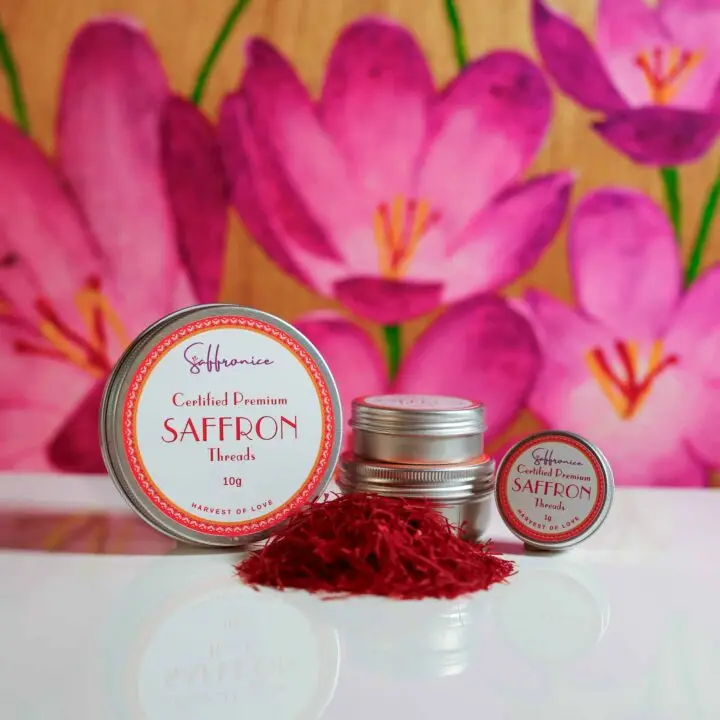

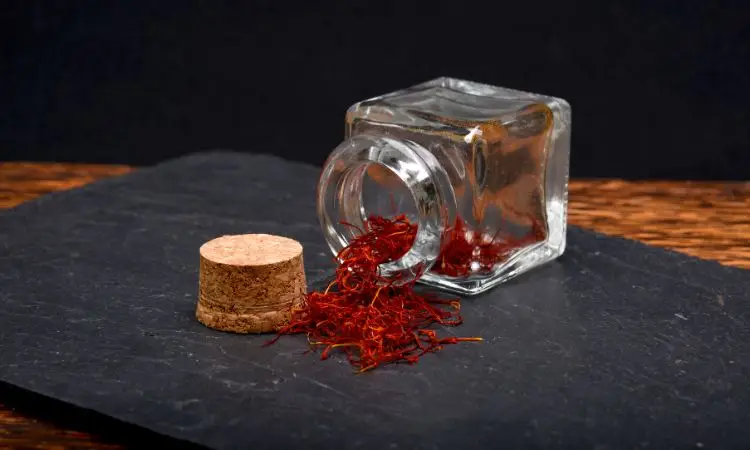
Saffron, the renowned spice derived from the delicate stigmas of the Crocus sativus flower, represents one of the world’s most precious culinary treasures. As you learn more about what saffron truly is, you’ll discover why proper long-term storage is essential to preserve its exceptional qualities. This comprehensive guide reveals the secrets to mastering saffron storage at home, empowering you to enjoy this golden spice for months and even years to come.
📌 Quick Answer: Store saffron in airtight containers away from light, heat, and moisture. Room temperature storage lasts 6-12 months, refrigeration extends life to 6 months, and freezing preserves quality for 1-2 years.
🔑 Key Takeaways:
- Understand saffron’s delicate chemical composition and storage requirements
- Master temperature, humidity, and light control techniques
- Choose optimal containers and preparation methods
- Learn room temperature, refrigeration, and freezing storage options
Understanding Saffron’s Delicate Nature
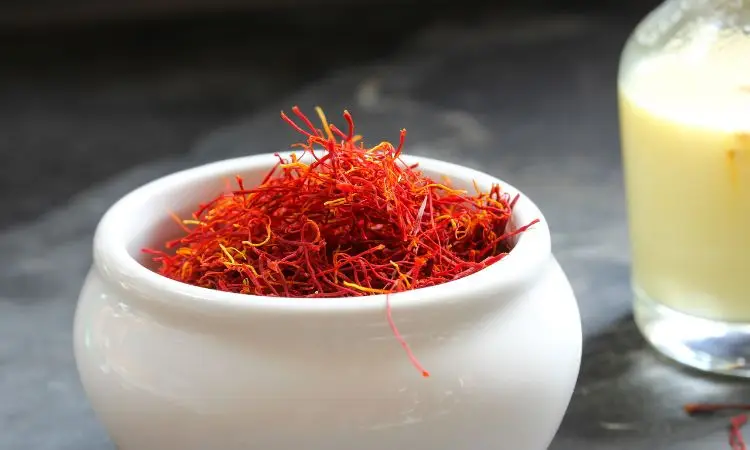
Saffron’s distinctive characteristics stem from its complex chemical makeup, including crocin (color), picrocrocin (taste), and safranal (aroma). Maintaining the integrity of these compounds requires understanding saffron quality standards and implementing proper preservation techniques.
Chef’s Professional Tip: As an ex-chef, I’ve learned that saffron’s delicate threads are like tiny flavor capsules that break down rapidly when exposed to improper conditions. Always handle with clean, dry hands.
Food Scientist’s Note: The volatile compounds in saffron degrade through oxidation and photodegradation. This scientific understanding guides all effective storage methods.
Factors Affecting Saffron Quality
Multiple factors impact saffron quality over time:
- Temperature fluctuations – cause compound breakdown
- Humidity levels – promote mold and degradation
- Light exposure – fades color and reduces potency
- Air exposure – accelerates oxidation
When choosing high-quality saffron brands, remember that proper storage becomes even more critical to protect your investment. Learning to distinguish real from fake saffron also helps ensure you’re storing authentic spice worth preserving.
Essential Tools for Saffron Preservation
Preserving saffron’s exceptional flavor requires specific equipment and optimal storage conditions. Professional-grade saffron storage methods rely on these essential tools:
Airtight Containers
Saffron’s volatile compounds escape rapidly when exposed to air. High-quality glass jars, ceramic containers, or food-grade plastic with tight seals provide essential protection. The right container types for saffron create protective barriers against oxidation.
Moisture Control Tools
- Silica gel packets – absorb excess humidity
- Desiccant pouches – prevent mold growth
- Vacuum-sealed containers – remove air completely
| Storage Tool | Purpose | Effectiveness |
|---|---|---|
| Airtight Glass Jars | Light/air protection | Excellent |
| Desiccant Packets | Moisture control | High |
| Vacuum Containers | Air removal | Maximum |
| Dark Storage Areas | Light protection | Essential |
The Science Behind Long-Term Storage
Understanding the science behind maintaining saffron potency involves mastering three critical factors:
Temperature Control Fundamentals
Saffron thrives in cool environments between 50-70°F (10-21°C). Higher temperatures accelerate the breakdown of essential compounds, while extreme cold can damage the delicate thread structure.
Humidity Management
Ideal humidity levels stay below 50%. Excess moisture promotes mold growth and compound degradation. Professional saffron preservation tips emphasize moisture control as the foundation of quality maintenance.
Light Exposure Prevention
UV light destroys saffron’s crocin compounds, causing color loss. Dark storage environments preserve the vibrant red hue that indicates freshness and potency.
Choosing Optimal Storage Containers
Container selection determines storage success. Consider these material options:
Glass Containers: Block light effectively, inert material, easy to clean. Ceramic Options: Excellent light/air protection, durable, attractive
Stainless Steel: Corrosion-resistant, durable, professional-grade Vacuum-Sealed Systems: Maximum protection, extends shelf life significantly
The investment in quality containers pays dividends through extended saffron shelf life and maintained potency.
Step-by-Step Storage Preparation
Proper preparation ensures optimal preservation:
Container Preparation
- Clean thoroughly with warm, soapy water
- Dry completely to prevent moisture contamination
- Sterilize glass/ceramic containers with a vinegar rinse
- Add desiccants before storing saffron
Organization Strategy
- Label containers with storage dates
- Use the FIFO method (first in, first out)
- Monitor conditions regularly
- Keep records of storage duration
Recognizing saffron spoilage signs helps maintain quality control throughout the storage period.
Room Temperature Storage Methods
Room temperature storage offers convenience for frequently used saffron:
Storage Requirements:
- Airtight containers in cool, dark locations
- Temperature range: 60-70°F (15-21°C)
- Humidity below 50%
- Away from heat sources and direct sunlight
Expected Shelf Life: 6-12 months with proper conditions
Monitor storage areas regularly and adjust conditions as needed to maintain optimal preservation.
Refrigeration for Extended Preservation
Refrigeration significantly extends saffron’s usable life through controlled temperature and humidity:
Temperature Settings
Maintain refrigerator temperature between 35-40°F (2-4°C) for optimal results. This cool environment slows compound degradation while preventing freezing damage.
Storage Duration Guidelines
- Whole threads: Up to 6 months
- Ground saffron: Up to 4 months
- Saffron extracts: Up to 8 months
Professional Tip: Allow refrigerated saffron to reach room temperature before use to unlock full flavor potential.
Freezing Techniques for Maximum Longevity
Freezing provides the longest storage option for bulk saffron purchases:
Proper Freezing Protocol
- Package carefully in airtight, moisture-resistant containers
- Portion appropriately for easy use
- Maintain consistent temperature at 0°F (-18°C) or below
- Avoid temperature fluctuations that cause quality degradation
Thawing Guidelines
Slowly thaw frozen saffron in the refrigerator to preserve delicate compounds. Never use heat or microwave thawing, which destroys essential oils.
Expected Shelf Life: 1-2 years with minimal quality loss
Expert Storage Tips
Chef’s Wisdom: Store saffron like fine wine – in cool, dark, stable conditions. Quality saffron sourcing combined with proper storage creates a valuable pantry asset.
Food Scientist’s Advice: Document storage conditions and dates. This data helps optimize future storage decisions and ensures you’re always cooking with saffron at peak quality.
Conclusion
Mastering saffron long-term storage transforms this precious spice from a luxury purchase into a reliable culinary asset. By implementing proper temperature control, moisture management, and container selection, you’ll preserve saffron’s exceptional qualities for extended periods. Whether using room temperature, refrigeration, or freezing methods, consistent application of these techniques ensures your saffron maintains its vibrant color, intense aroma, and distinctive flavor.
Remember that proper storage begins with quality sourcing and continues through every step of preservation. With these professional techniques, your saffron investment will reward you with exceptional culinary experiences for months or years to come.
Frequently Asked Questions
How long can properly stored saffron maintain its quality? With optimal storage conditions, saffron maintains quality for 6-12 months at room temperature, 6 months refrigerated, and 1-2 years frozen.
What’s the best container for saffron storage? Airtight glass jars or ceramic containers provide excellent protection from light and air while maintaining saffron’s delicate compounds.
Can I store different saffron grades together? Store different grades separately to maintain their distinct characteristics and prevent cross-contamination of flavors.
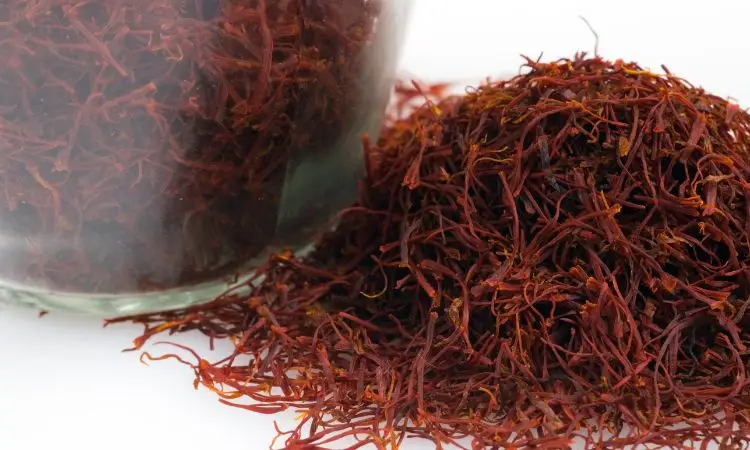
How do I know if stored saffron has gone bad? Look for color fading, loss of aroma, brittle texture, or any signs of moisture or mold growth.
Should I refrigerate saffron immediately after purchase? Not necessarily. Room temperature storage works well for frequently used saffron, while refrigeration benefits long-term storage needs.