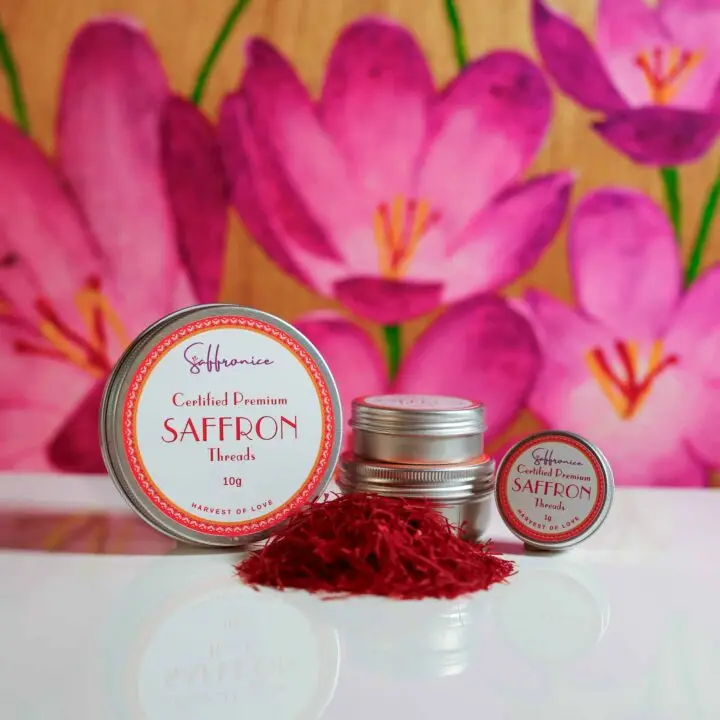


Saffron, the world’s most expensive spice, is renowned for its vibrant color, distinct flavor, and numerous health benefits. However, the quality and shelf life of this precious commodity can be greatly influenced by its exposure to light. Understanding the complex relationship between saffron and light is crucial for maintaining the spice’s integrity from cultivation to storage.
This comprehensive guide explores the intricacies of saffron’s light sensitivity, examining how various light sources, intensities, and exposure durations impact the quality, color, and aroma of this coveted spice. We’ll also uncover optimal storage conditions and techniques to protect saffron from the detrimental effects of light, ensuring long-term preservation and maximum enjoyment.
📌 Quick Answer: Saffron is highly light-sensitive. Store in opaque, airtight containers away from direct sunlight. Ideal conditions: cool, dark place with 8-12% humidity. UV exposure degrades color compounds and reduces quality.
🔑 Key Takeaways:
- Saffron is highly sensitive to light exposure, affecting quality, color, and aroma
- Both natural and artificial light sources impact saffron, with direct sunlight being most detrimental
- Proper storage conditions, including light-proof packaging, are essential
- Light management throughout growth and storage stages maintains high quality
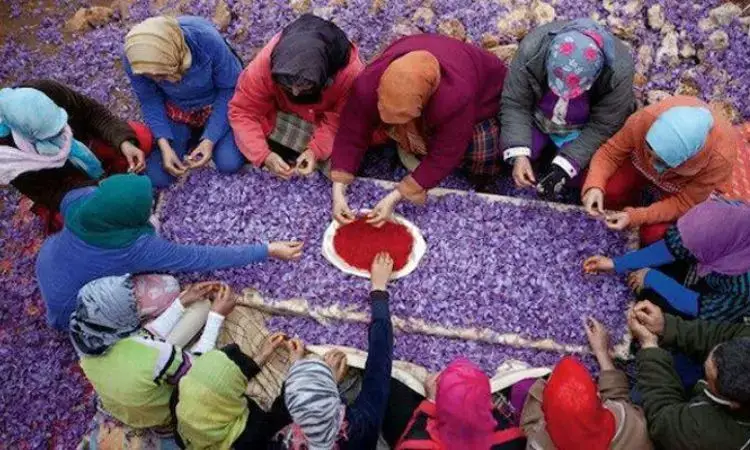
Understanding Saffron’s Light Sensitivity Fundamentals
Cultivating the finest saffron requires s deep understanding of how light interacts with this delicate spice. While natural sunlight benefits growing plants, the impact on harvested saffron quality demands careful consideration from producers and consumers alike.
Chef’s Professional Tip: During my culinary career, I’ve observed that saffron stored near kitchen windows loses its vibrant color within weeks. Always prioritize dark storage locations for this precious spice.
Food Scientist’s Note: Saffron’s primary compounds—crocin, picrocrocin, and safranal—are photosensitive molecules. Understanding their light-induced degradation pathways helps optimize preservation strategies.
The Science Behind Light Sensitivity
Saffron’s light sensitivity stems from its unique biochemical structure. Meeting saffron quality standards requires protecting these delicate compounds from photodegradation throughout the supply chain.
Key Light Components Affecting Saffron:
- Wavelength: UV and blue light trigger undesirable chemical reactions
- Intensity: Excessive brightness overwhelms saffron’s molecular stability
- Duration: Extended exposure accelerates compound degradation
Natural vs. Artificial Light Impact
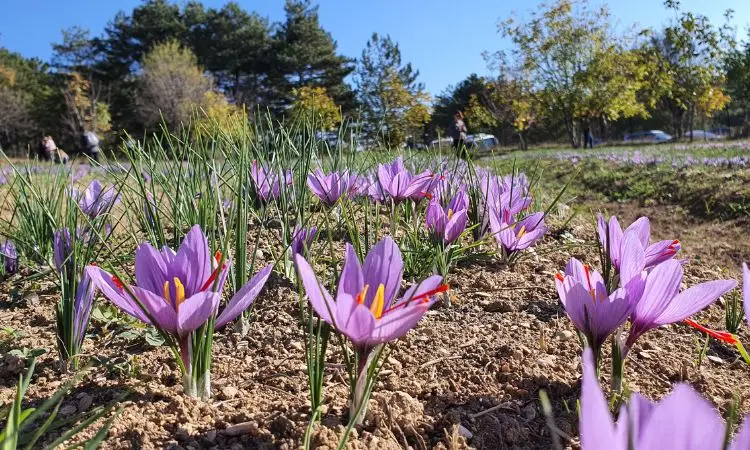
Natural sunlight provides optimal conditions for growing saffron crocuses, delivering balanced intensity and duration for flower development. However, artificial lighting can alter saffron’s chemical composition during storage, potentially compromising flavor and potency.
Professional saffron storage methods address these challenges through controlled light environments that preserve quality while maintaining accessibility.
Direct Sunlight’s Impact on Saffron Quality
Direct sunlight exposure presents the greatest threat to stored saffron quality. The pigments responsible for saffron’s signature hue are extremely sensitive to light intensity, with excessive exposure causing rapid fading and vibrancy loss.
Color Degradation Process
Prolonged UV exposure breaks down carotenoid compounds responsible for saffron’s distinctive coloring strength. This degradation not only diminishes visual appeal but also indicates broader quality deterioration.
Aroma and Flavor Changes
Direct sunlight also affects volatile compounds contributing to saffron’s unique aroma and flavor. These compounds can break down or undergo molecular rearrangement, resulting in diminished intensity or altered flavor profiles.
Impact Severity by Exposure:
- Brief exposure (minutes): Minimal immediate impact
- Moderate exposure (hours): Noticeable color fading begins
- Extended exposure (days): Significant quality deterioration
- Chronic exposure (weeks): Permanent damage to compounds
Proper management of sunlight exposure proves crucial for preserving quality and integrity throughout storage and handling.
Optimal Storage Conditions and Light Management
Preserving saffron quality requires coordinated management of temperature, humidity, and light exposure. Understanding these relationships enables effective preservation strategies for both commercial and home storage applications.
Temperature-Light Interaction
Saffron exhibits sensitivity to both temperature and light, with combined exposure accelerating degradation. Maintaining cool, dark storage environments prevents premature deterioration while maximizing shelf life through proper saffron potency maintenance.
Humidity Control Methods
Optimal moisture levels (8-12%) work synergistically with light protection:
- Monitor humidity levels with hygrometers
- Use desiccant packs to absorb excess moisture
- Ensure adequate ventilation to prevent stagnant air
- Seal containers to maintain consistent internal conditions
Packaging Solutions for Light Protection
Professional container types for saffron provide varying levels of light protection based on storage needs:
| Container Type | Light Protection | Best Use |
|---|---|---|
| Opaque glass jars | Excellent | Long-term storage |
| Vacuum-sealed bags | Moderate | Medium-term storage |
| Foil-lined containers | Excellent | Commercial storage |
| Amber glass bottles | Good | Home storage |
Light Intensity Effects on Saffron Development
Understanding how different light intensities affect saffron during cultivation helps optimize both growing conditions and post-harvest handling. Professional saffron harvesting methods consider these factors for quality maximization.
Shade Tolerance and Optimal Conditions
Saffron crocuses demonstrate remarkable adaptability to varying light conditions:
- Partial shade (40% sunlight): Acceptable but reduced yield
- Optimal range (60-80% sunlight): Best growth and quality
- Full sunlight: Tolerable but may cause stress
Photoperiod Requirements
Successful saffron cultivation requires understanding seasonal light variations and their impact on flowering cycles. Light duration management throughout different growth stages optimizes both yield and quality outcomes.
Professional growers utilize shading structures and supplemental lighting to maintain optimal photoperiods, ensuring consistent quality regardless of natural variations.
Light-Induced Chemical Changes
Light exposure triggers complex chemical reactions affecting saffron’s most valuable properties. Understanding these changes guides effective preservation strategies and quality maintenance protocols.
Carotenoid Degradation
Primary bioactive compounds, particularly carotenoids responsible for color, undergo oxidation when exposed to light. This process leads to gradual fading and indicates broader quality deterioration throughout the spice.
Volatile Compound Changes
Light exposure alters volatile organic compounds contributing to saffron’s distinctive aroma. These compounds can break down or rearrange, significantly impacting sensory experience and overall quality perception.
Medicinal Property Impact
Saffron’s therapeutic properties—including antioxidant, anti-inflammatory, and neuroprotective effects—depend on chemical compound integrity. Light-induced degradation potentially reduces therapeutic efficacy, making proper storage essential for medicinal applications.
Following established saffron preservation tips helps maintain both culinary and medicinal properties through proper light management.
Best Practices for Light Protection During Storage
Implementing effective light protection strategies ensures saffron maintains its exceptional qualities throughout storage periods. These practices apply to both commercial operations and home storage applications.
Commercial Storage Solutions
Professional facilities utilize specialized equipment for optimal light control:
- Climate-controlled environments with minimal lighting
- Automated monitoring systems for consistent conditions
- Light-proof containers with airtight seals
- UV-filtering materials for additional protection
Home Storage Recommendations
Home storage can effectively protect saffron through simple but effective methods:
- Store in cool, dark locations (pantries, cupboards)
- Use opaque, airtight containers
- Avoid areas with fluorescent lighting
- Keep away from windows and direct sunlight
Light-Proof Container Options
Effective container choices create protective environments:
- Glass jars with airtight lids: Traditional and reliable
- Tin or metal containers: Excellent light blocking
- Amber glass bottles: Reduced light transmission
- Vacuum-sealed pouches: Maximum protection
These containers help maintain saffron freshness indicators while protecting against light-induced degradation.
Common Light Exposure Mistakes to Avoid
Maintaining saffron quality requires avoiding prevalent mistakes that compromise this precious spice’s valuable properties. Understanding these errors helps ensure optimal preservation outcomes.
Critical Mistakes to Avoid:
- Extended direct sunlight exposure: Causes rapid compound degradation
- Improper container sealing: Allows light penetration and air exposure
- Storage near light sources: Accelerates quality deterioration
- Ignoring humidity control: Compounds light damage effects
Prevention Strategies:
- Store saffron in cool, dark locations consistently
- Use airtight, light-proof containers exclusively
- Monitor storage conditions regularly
- Implement desiccant packs for moisture control
Expert Storage Recommendations
Chef’s Wisdom: Treat saffron storage like protecting fine wine—consistent, cool, dark conditions preserve its exceptional qualities. Quality sourcing from reputable suppliers, combined with proper light protection, creates lasting culinary value.
Food Scientist’s Advice: Document storage conditions and monitor quality indicators regularly. Understanding light’s impact on saffron helps optimize preservation strategies and ensures you’re always cooking with saffron at peak quality.
Conclusion
Proper light management represents the cornerstone of saffron quality preservation. Understanding the intricate relationship between light exposure and chemical degradation enables informed decisions about storage, handling, and preservation practices.
By implementing comprehensive light protection strategies—including appropriate containers, optimal storage locations, and consistent monitoring—saffron enthusiasts can ensure their precious spice maintains its vibrant color, robust aroma, and distinctive flavor throughout extended storage periods.
Remember that effective preservation begins with quality sourcing and continues through every aspect of storage management. Learning to recognize signs of saffron spoilage helps maintain quality standards and protects your investment in this remarkable spice.
Frequently Asked Questions
How does light exposure affect saffron’s color and aroma? Light exposure breaks down carotenoid pigments responsible for color and degrades volatile compounds contributing to aroma, resulting in a faded appearance and diminished scent intensity.
What’s the difference between natural and artificial light’s impact on saffron? Natural sunlight provides optimal growing conditions, but can damage stored saffron. Artificial lighting typically causes less immediate damage but can still degrade quality over time.
How should I store saffron to protect it from light damage? Store saffron in opaque, airtight containers in cool, dark locations away from direct sunlight and artificial lighting sources.
What are the optimal light conditions for growing saffron crocuses? Saffron crocuses thrive in 60-80% sunlight intensity, providing sufficient energy for growth while preventing stress-related quality issues.
How quickly does light damage occur in stored saffron? Light damage begins within hours of exposure, with noticeable color fading and aroma loss occurring within days of direct sunlight exposure.
What containers provide the best light protection for saffron? Opaque glass jars, metal containers, and foil-lined packages offer excellent light protection while maintaining airtight seals essential for quality preservation.