
📌 Quick Answer: Saffron has been the ultimate royal spice for over 3,000 years, used by Persian emperors for anointing ceremonies, Byzantine rulers for coronation robes, medieval European courts for purple dyes, and Asian dynasties for imperial banquets. Its extreme rarity, divine symbolism, and transformative culinary properties made it exclusive to royalty across civilizations.
Throughout history, the vibrant crimson threads of saffron have represented the pinnacle of luxury, power, and divine connection in royal courts worldwide. This precious commodity, worth more than gold by weight, has adorned the tables, ceremonies, and regalia of history’s most influential monarchs, creating a legacy that spans millennia and transcends cultural boundaries.
From ancient Persian empires to modern constitutional monarchies, saffron’s association with royalty reflects not merely culinary preference but profound symbolic meaning – representing divine favor, earthly power, and the transformation of the mundane into the sacred through color, aroma, and taste.
Chef’s Professional Tip: Royal kitchens historically used saffron not just for flavor but as a visual statement of power – a single dish colored with saffron could cost more than a servant’s annual wages, making every golden grain a display of imperial wealth.
Royal Saffron Heritage: Key Historical Elements
- Divine Symbolism: Associated with gods, spiritual enlightenment, and royal divine right
- Economic Power: Controlled production and trade routes generated immense wealth for empires
- Cultural Identity: Defined regional royal cuisines and ceremonial traditions
- Political Influence: Gift exchanges and trade negotiations centered around saffron access
- Artistic Expression: Inspired by royal textiles, illuminated manuscripts, and decorative arts
- Modern Legacy: Contemporary royalty continues saffron traditions in state functions
Ancient Origins: From Persian Fields to Imperial Tables
The relationship between saffron and royalty began in the ancient Persian Empire, where this precious spice first achieved its status as the ultimate symbol of imperial power and divine favor.
The Achaemenid Dynasty and Saffron Supremacy
The Achaemenid Persian Empire (550-330 BCE) established saffron’s royal pedigree through systematic cultivation and ceremonial integration that influenced royal traditions for millennia.
Imperial Cultivation Programs: Persian kings, particularly Darius I, established vast saffron cultivation estates managed by royal agricultural specialists. These operations employed thousands of workers during harvest seasons, with production carefully controlled to maintain both quality and scarcity.
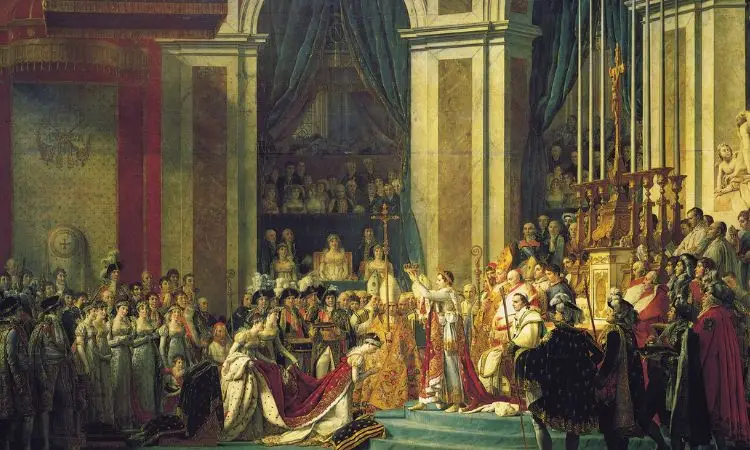
Divine Anointing Ceremonies: Persian coronation rituals incorporated saffron-infused oils for anointing new rulers, symbolizing their divine mandate and connection to Ahura Mazda, the supreme deity. This practice established precedents for royal anointing ceremonies that influenced later Christian and Islamic traditions.
Palace Integration: Archaeological evidence from Persepolis reveals elaborate kitchens designed specifically for saffron preparation, including specialized storage areas with climate control systems that preserved the spice’s potency for royal banquets and religious ceremonies.
Economic Control: The Persian royal treasury derived significant revenue from saffron monopolies, with export licenses granted only to approved merchants who paid substantial fees to the imperial court.
Expansion Across Ancient Civilizations
Persian influence spread saffron’s royal associations throughout the ancient world:
Greek Adoption: Alexander the Great’s conquest of Persia introduced saffron to Greek royal culture, where it became associated with the gods. Greek rulers adopted Persian practices, using saffron in religious ceremonies honoring Zeus and Athena while incorporating it into royal symposiums.
Roman Imperial Usage: Roman emperors embraced saffron as a symbol of divine authority, with Nero reportedly having saffron petals scattered before his chariot processions. The imperial household consumed saffron in elaborate banquets while using it for perfumes and medicinal preparations.
Egyptian Royal Applications: Cleopatra famously bathed in saffron-infused milk, believing it enhanced her divine beauty and power. Egyptian royal mummification processes incorporated saffron, reflecting beliefs about its spiritual protective properties.
Historian’s Note: The spread of saffron’s royal associations followed conquest patterns and trade relationships, demonstrating how cultural symbols of power transfer between civilizations through political and economic connections.
Saffron as Divine Symbol: Religious and Royal Convergence
The intersection of religious significance and royal authority created saffron’s most powerful symbolic meanings, establishing it as a bridge between earthly and divine power.
Buddhist Royal Traditions
Buddhist kingdoms throughout Asia integrated saffron into royal religious observances:
Monastic Connections: Buddhist monks’ saffron robes created direct visual connections between royal patronage and spiritual authority. Kings who supported Buddhist monasteries often donated saffron for robe dyeing, demonstrating their religious devotion and securing spiritual legitimacy.
Royal Ceremonies: Southeast Asian Buddhist kingdoms incorporated saffron into coronation ceremonies, with new rulers offering saffron to senior monks as part of their spiritual investiture alongside political coronation.
Palace Buddhism: Royal temples within palace complexes used saffron incense and decorations during important ceremonies, creating sensory experiences that reinforced the divine nature of royal authority.
Christian Royal Adaptations
Medieval European Christianity adapted Eastern saffron traditions:
Coronation Rituals: Christian kings incorporated saffron into holy oils used for anointing, following earlier Persian and Byzantine practices, while adding Christian theological interpretations about divine selection of rulers.
Royal Chapels: Palace chapels used saffron in ceremonial preparations and decorations, particularly during major religious festivals and royal life events like marriages, births, and funerals.
Manuscript Illumination: Royal scriptoriums used saffron-based inks and paints for illuminated manuscripts, particularly when depicting divine figures or royal portraits, creating lasting artistic legacies.
Islamic Court Integration
Islamic royal courts developed sophisticated saffron ceremonial traditions:
Caliphate Practices: Abbasid and Umayyad caliphs used saffron in palace ceremonies, incorporating it into ritual purification practices and ceremonial meals during important religious observances.
Royal Mosque Connections: Saffron featured prominently in royal mosque decorations and ceremonial preparations, with rulers demonstrating piety through generous saffron donations for religious festivals.
Diplomatic Protocols: Islamic royal courts used saffron in diplomatic ceremonies, particularly when receiving foreign dignitaries or celebrating important treaties and alliances.
Trade Routes and Imperial Economics
The control of saffron trade routes became a crucial element of imperial power, with royal dynasties competing for dominance over this lucrative commerce.
The Silk Road Saffron Economy
Saffron trade along the Silk Road created immense wealth for controlling empires:
Persian Control Points: Persian rulers established fortified cities along saffron trade routes, collecting taxes and tributes that funded imperial expansion and palace construction. Cities like Samarkand and Bukhara became wealthy through saffron commerce.
Chinese Imperial Demand: Chinese emperors, particularly during the Tang Dynasty, paid premium prices for Persian saffron, using it in imperial kitchens and traditional medicine. This demand created stable revenue streams for Persian and Central Asian kingdoms.
Trade Monopolies: Royal control over saffron production and export created monopolistic conditions that generated extraordinary profits. These revenues funded military campaigns, palace construction, and diplomatic initiatives.
Maritime Saffron Commerce
Ocean trade routes expanded saffron’s royal reach:
Indian Ocean Networks: Major producing regions connected through maritime trade, with Arab and Persian merchants carrying saffron to Indian kingdoms, Southeast Asian sultanates, and East African city-states.
Royal Port Cities: Coastal rulers established royal warehouses and quality control systems for saffron trade, collecting customs duties while ensuring product authenticity for international commerce.
Diplomatic Exchange: Saffron became a standard diplomatic gift between royal courts, with quality and quantity reflecting the importance of political relationships and treaty negotiations.
Medieval European Royal Obsession
European medieval courts developed an intense fascination with saffron that influenced cuisine, medicine, and court culture for centuries.
Culinary Royal Revolution
Medieval European royalty transformed saffron into the ultimate culinary status symbol:
Competitive Feasting: Royal courts competed to serve the most elaborate saffron dishes, with banquets featuring multiple saffron-colored courses that demonstrated wealth and sophistication. Royal cooking techniques were developed specifically to maximize saffron’s visual and aromatic impact.
Seasonal Royal Menus: Court calendars incorporated seasonal saffron celebrations, particularly during harvest periods when fresh saffron arrivals warranted special feasts and ceremonial preparations.
International Culinary Diplomacy: Royal marriages and diplomatic visits featured elaborate saffron dishes designed to impress foreign dignitaries while demonstrating the host kingdom’s wealth and culinary sophistication.
Medical Royal Applications
Medieval royal courts believed saffron possessed extraordinary therapeutic properties:
Royal Physicians: Court doctors prescribed saffron for royal ailments, believing it could treat everything from depression to digestive problems. Royal medical texts documented elaborate saffron preparations for different conditions.
Preventive Medicine: Royal households used saffron as preventive medicine, incorporating it into daily meals and drinks to maintain health and vitality, particularly during plague outbreaks and seasonal illnesses.
Childbirth and Royal Succession: Royal midwives used saffron during royal births, believing it eased labor pains and ensured healthy heirs. This practice made saffron essential for royal succession planning.
Status Symbol Integration
European nobility embraced saffron as the ultimate display of wealth:
Purple Dye Productions: Royal workshops produced saffron-based purple dyes for ceremonial robes, with the depth of color directly correlating to the amount of saffron used and, therefore, the wearer’s wealth and status.
Court Fashion: Saffron-dyed clothing became fashionable among nobility, with sumptuary laws sometimes restricting its use to specific noble ranks, reinforcing its association with high social status.
Palace Aromatics: Royal residences used saffron in perfumes, incense, and room fresheners, creating distinctive aromatic environments that distinguished noble spaces from common areas.
Royal Saffron Gardens: Exclusive Cultivation for Courts
Royal dynasties established private saffron gardens to ensure exclusive access while maintaining quality control over this precious commodity.
Persian Royal Agricultural Systems
Persian kings developed sophisticated agricultural programs:
Palace Garden Integration: Royal palaces featured elaborate saffron gardens designed as both productive agricultural spaces and aesthetic elements of palace architecture, with geometric layouts reflecting Persian garden design principles.
Specialist Employment: Royal saffron cultivation employed specialized agricultural experts who developed improved varieties and harvesting techniques exclusive to royal gardens.
Seasonal Court Ceremonies: Saffron harvest seasons became occasions for court ceremonies, with nobles participating in symbolic first harvests that reinforced their connection to royal agricultural prosperity.
European Royal Garden Development
European monarchs adapted Persian models:
Monastery Partnerships: European kings often partnered with monasteries to establish saffron cultivation, providing religious institutions with economic support while securing reliable saffron supplies for royal use.
Castle Integration: Medieval castles incorporated saffron gardens within defensive walls, ensuring protected access to this valuable crop during sieges or political instability.
Scientific Development: Royal courts sponsored agricultural research to improve saffron yields and quality, with court scholars documenting cultivation techniques and developing improved varieties.
Asian Imperial Gardens
Asian dynasties created elaborate saffron cultivation systems:
Chinese Imperial Gardens: Chinese emperors established saffron gardens within the Forbidden City complex, with harvest ceremonies marking important seasonal transitions in the imperial calendar.
Indian Royal Estates: Indian maharajas developed extensive saffron estates, particularly in the Kashmir region, where royal oversight ensured premium quality production for court use and diplomatic gifts.
Palace Integration: Royal saffron gardens served multiple functions: productive agriculture, aesthetic beauty, ceremonial spaces, and symbols of royal control over nature and agricultural prosperity.
Historic Royal Saffron Recipes: Culinary Crowns
Royal kitchens across cultures developed elaborate saffron preparations that showcased both culinary skill and imperial wealth.
Persian Imperial Cuisine
Persian royal recipes established saffron culinary traditions:
Jeweled Rice (Morasa Polo): Persian court cuisine featured elaborate rice dishes combining saffron with precious ingredients like pistachios, almonds, and dried fruits, creating visual presentations resembling jeweled crowns.
Royal Fesenjan: Persian kings enjoyed complex stews combining saffron with pomegranate and walnuts, creating dishes that balanced sweet, sour, and aromatic elements while displaying the court’s sophisticated palate.
Ceremonial Beverages: Persian royal banquets featured saffron-infused drinks, including wines and sherbet preparations that provided aromatic and flavorful accompaniments to elaborate feast courses.
European Court Delicacies
European royal kitchens developed distinctive saffron traditions:
Saffron Bread and Pastries: Medieval European courts produced elaborate saffron breads and pastries for religious celebrations and royal feasts, with golden colors symbolizing divine blessing on royal authority.
Royal Paella: Spanish royal courts developed paella as a showcase dish for state banquets, with saffron providing both color and flavor while demonstrating Spain’s agricultural wealth and culinary sophistication.
Saffron Sauces: French and Italian royal kitchens created complex saffron-based sauces for meat and fish dishes, with recipes closely guarded as court secrets and passed down through royal chef dynasties.
Asian Imperial Preparations
Asian royal cuisines incorporated saffron uniquely:
Imperial Chinese Dishes: Chinese imperial kitchens used saffron in steamed preparations and roasted meats, creating dishes that balanced saffron’s intensity with traditional Chinese flavor profiles and cooking techniques.
Indian Royal Biryanis: Indian courts perfected saffron biryanis as centerpiece dishes for royal banquets, with elaborate layered preparations that showcased both culinary skill and ingredient luxury.
Royal Thai Preparations: Thai royal kitchens adapted saffron to local ingredients and cooking methods, creating fusion dishes that honored both traditional Thai flavors and international saffron prestige.
Modern Royal Saffron Traditions
Contemporary monarchies maintain saffron traditions while adapting to modern contexts and expectations.
Current Ceremonial Applications
Modern royal families continue saffron integration:
State Banquet Menus: Contemporary royal households feature saffron dishes at state dinners and official functions, maintaining historical associations while showcasing modern culinary techniques and international cooperation.
Coronation and Wedding Ceremonies: Modern royal ceremonies incorporate saffron elements in decorations, ceremonial preparations, and celebratory meals, connecting contemporary events with historical traditions.
Gift Diplomacy: Royal families continue using high-quality saffron as diplomatic gifts, with authentic sourcing and quality verification ensuring these gifts maintain their prestigious significance.
Cultural Heritage Preservation
Modern royalty supports saffron heritage:
Traditional Cultivation Support: Royal patronage supports traditional saffron cultivation methods and sustainable farming practices, helping preserve cultural heritage while promoting environmental responsibility.
Culinary Education: Royal foundations and cultural institutions promote education about historical saffron traditions, ensuring knowledge preservation for future generations.
Research Patronage: Royal support for saffron health benefits research continues historical connections between royalty and saffron’s therapeutic applications.
Contemporary Challenges and Adaptations
Modern royal saffron use faces new considerations:
Sustainability Concerns: Royal households increasingly consider the environmental and social impacts of saffron sourcing, balancing traditional prestige with contemporary responsible consumption values.
Accessibility and Democracy: Modern royalty balances exclusive traditional associations with democratic values, using royal saffron traditions to promote cultural heritage rather than social exclusion.
Authenticity Preservation: Royal involvement in saffron quality standards and authenticity verification helps protect consumers from fraud while maintaining traditional quality expectations.
The Proper Storage and Royal Preservation
Royal households historically developed sophisticated preservation methods that modern science validates:
Climate Control: Royal storage facilities maintained optimal temperature and humidity conditions that preserved saffron quality for extended periods.
Container Selection: Precious metals and sealed containers protected saffron from light and air exposure, maintaining potency and preventing contamination.
Quality Monitoring: Royal households employed specialists to regularly assess stored saffron quality, ensuring optimal condition for important ceremonial and culinary applications.
The legacy of saffron in royalty represents more than culinary history – it embodies humanity’s relationship with luxury, power, and the transformation of simple agricultural products into symbols of divine authority and cultural sophistication. From ancient Persian coronations to modern state dinners, saffron continues to connect earthly pleasure with transcendent meaning, maintaining its position as the ultimate royal spice through changing times and evolving societies.
Frequently Asked Questions
Why was saffron considered the ultimate royal spice throughout history? Saffron’s extreme rarity, labor-intensive harvesting (200,000 flowers for one pound), divine color symbolism, and transformative culinary properties made it accessible only to royalty. Its cost often exceeded gold, making every use a display of imperial wealth and power.
Which royal dynasties were most associated with saffron usage? Persian Achaemenid and Safavid dynasties, Byzantine emperors, medieval European courts (especially Spanish and French), Chinese Tang and Ming dynasties, and Mughal Indian emperors all extensively used saffron in ceremonies, cuisine, and court life.
How did saffron influence royal ceremonies and religious rituals? Saffron was used for anointing rulers (Persian coronations), dyeing coronation robes (Byzantine emperors), creating sacred inks for royal documents, and providing aromatic elements for palace religious ceremonies across multiple faith traditions.
What role did the saffron trade play in building ancient empires? Control over saffron production and trade routes generated enormous wealth for Persian, Byzantine, and Islamic empires. Saffron taxes and monopolies funded military campaigns, palace construction, and diplomatic initiatives while establishing economic dominance.
How do modern royal families continue saffron traditions? Contemporary royalty incorporates saffron in state banquets, uses it as diplomatic gifts, supports traditional cultivation methods, and maintains ceremonial applications while adapting to modern sustainability and cultural heritage preservation values.
What made royal saffron recipes different from common preparations? Royal recipes used larger quantities of saffron, combined it with other expensive ingredients (precious metals, rare spices, exotic fruits), featured elaborate presentation methods, and were prepared by specialized chefs using closely guarded techniques passed down through court traditions.