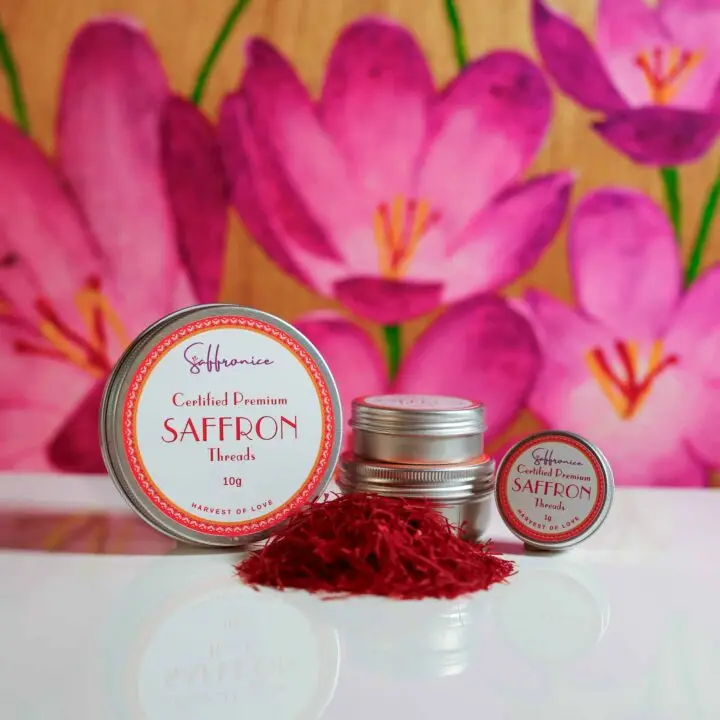


The global trade of saffron, the world’s most precious spice, represents a complex web of intricate customs regulations and import taxes that challenge even experienced commercial importers. Understanding what makes saffron unique and the nuances of international saffron tariffs proves crucial for ensuring compliance while maximizing profitability in this lucrative market.
This comprehensive guide delves into saffron import tax intricacies, equipping readers with essential knowledge to navigate the labyrinth of customs duties and clearance procedures that govern international spice trade.
📌 Quick Answer: Saffron import taxes vary by country (5-20% base rates), product classification (HS code 0910.20), and trade agreements. Key requirements include certificates of origin, phytosanitary certificates, and compliance with quality grade specifications.
🔑 Key Takeaways:
- Explore global saffron trade dynamics, including major producing countries and routes
- Understand fundamental principles governing import taxes across customs classifications
- Learn the regional trade agreement’s impacts on duty variations
- Master step-by-step import duty calculations and associated fees
- Navigate essential documentation requirements and customs clearance procedures
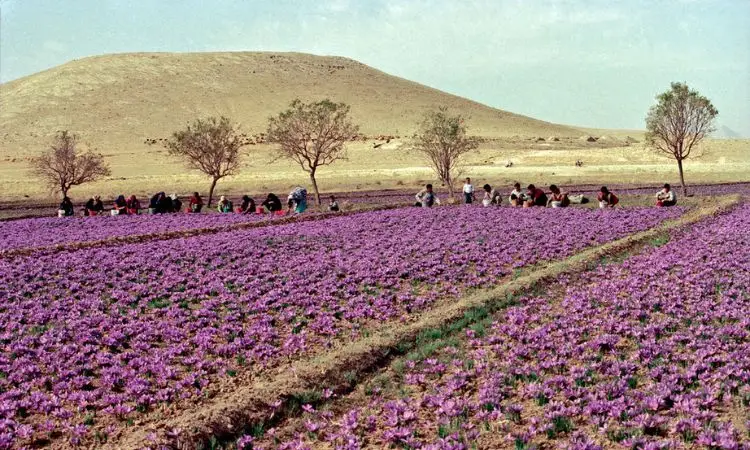
The Global Saffron Trade Landscape
Saffron’s international commerce reflects centuries of cultural exchange and economic development, with modern trade policies shaping market access and pricing structures worldwide. Understanding saffron production leaders provides crucial context for import regulations and duty structures.
Major Producing Countries and Market Share
Iran dominates global saffron production with approximately 80% market share, followed by India (8%) and Spain (4%). These nations have developed sophisticated cultivation techniques and quality control systems that influence international saffron quality standards and regulatory frameworks.
Production Distribution:
- Iran: 300+ tons annually, primarily from Khorasan regions
- India: 20 tons annually, concentrated in the Kashmir valley
- Spain: 10 tons annually, from the La Mancha region
- Other countries: 8 tons combined from Greece, Afghanistan, and Morocco
International Trade Routes and Networks
Saffron’s journey from cultivation fields to global markets involves sophisticated logistics networks linking producing regions to consuming hubs across Europe, North America, and Asia. These trade routes facilitate complex webs of importers, exporters, and distributors navigating international trade policies and customs regulations.
Modern saffron market trends reflect increasing demand for premium grades and authenticated products, driving stricter documentation requirements and quality verification procedures.
Economic Impact and Market Valuation
The global saffron trade generates over $1 billion annually, supporting countless farmers, processors, and traders across producing regions. This economic significance influences saffron as a luxury good, positioning, and associated regulatory frameworks that govern international commerce.
Import Tax Principles and Regulatory Framework
Understanding fundamental principles governing saffron import taxation enables effective navigation of complex regulatory environments while ensuring compliance with international trade agreements.
International Trade Agreements and WTO Guidelines
World Trade Organization frameworks establish baseline guidelines for member countries regarding saffron import duties and tariff structures. These agreements create standardized approaches while allowing regional variations based on bilateral trade relationships.
Core Regulatory Components:
- WTO guidelines establishing baseline tariff frameworks
- Country-specific regulations affecting import procedures
- Bilateral agreements modifying standard duty rates
- Quality certification requirements for market access
Compliance Requirements and Penalties
Failure to properly navigate import regulations can result in substantial penalties, shipment delays, or goods seizure. Understanding saffron trade policies helps avoid costly compliance failures while streamlining import operations.
Risk Mitigation Strategies:
- Maintain current knowledge of regulatory changes
- Work with experienced customs brokers
- Implement robust documentation systems
- Establish relationships with local authorities
Customs Classifications and Product Categories
Accurate product classification forms the foundation of proper import tax calculation and regulatory compliance for saffron shipments.
Harmonized System (HS) Codes
Saffron typically falls under HS code 0910.20, covering various forms including whole stigmas, crushed powder, and processed extracts. Specific subcategories may apply based on processing level and intended use.
Standard Classifications:
- Whole saffron stigmas: HS code 0910.20.10
- Crushed or ground saffron: HS code 0910.20.20
- Saffron extracts and essences: HS code 1302.19.80
- Saffron-based preparations: Various codes depending on composition
Quality Grade Impact on Classification
Saffron grading systems significantly influence customs classification and associated duty rates. Higher-grade saffron, characterized by deep red coloration and intense aroma, may face different tax structures compared to lower-quality grades.
Understanding premium saffron versus regular distinctions helps ensure accurate declarations and appropriate duty calculations.
Product Authentication Requirements
Customs authorities increasingly require authentication documentation verifying saffron origin, quality, and processing methods. This trend reflects growing concerns about real versus fake saffron in international markets.
Regional Variations and Trade Agreement Impacts
Global saffron import duties reflect complex interactions between regional trade agreements, bilateral relationships, and individual country policies that create varying cost structures for importers.
North American Trade Framework
NAFTA (now USMCA) provisions significantly reduce or eliminate saffron tariffs between the United States, Canada, and Mexico, creating competitive advantages for North American importers and distributors.
European Union Regulations
EU-Iran trade relationships face ongoing challenges due to geopolitical tensions, resulting in fluctuating tariff rates and complex regulatory requirements that European saffron importers must carefully navigate.
Bilateral Trade Agreements
Specialized arrangements such as India-Afghanistan Preferential Trade Agreements create unique opportunities for reduced duties and preferential market access, though these require careful compliance with specific terms and conditions.
Regional Economic Partnerships
Emerging trade partnerships across the Asia-Pacific and Middle Eastern regions continue reshaping saffron import duty structures, creating new opportunities while requiring updated compliance strategies.
Import Duty Calculations and Fee Structures
Effective cost management requires a comprehensive understanding of duty calculation methodologies and additional fees that impact total import expenses.
Base Duty Rate Determination
Import tax calculations begin with base duty rates applied to declared saffron values, including cost, insurance, and freight (CIF) charges. Rates vary based on origin country, trade agreements, and product classification specifics.
Calculation Components:
- Declared value including CIF charges
- Base duty rate determined by HS classification
- Country of origin affecting applicable rates
- Trade agreement modifications or exemptions
Additional fees
Beyond base duties, importers encounter various supplementary charges that significantly impact total import costs:
- Value-added tax (VAT) or sales tax obligations
- Excise duties on luxury goods categories
- Clearance and handling fees from customs brokers
- Inspection and certification charges for quality verification
Tax Exemptions and Reduction Opportunities
Strategic importers can leverage various programs to reduce total duty obligations:
- Free trade agreements eliminate or reduce duties
- Special economic zones offering favorable treatment
- Duty drawback programs refunding duties on re-exported goods
- Temporary import provisions for exhibition or testing purposes

Documentation Requirements and Compliance
Successful saffron imports require meticulous attention to documentation requirements that verify product authenticity, origin, and compliance with destination country regulations.
Essential Documentation Portfolio
Primary Documents:
- Certificates of origin verifying geographic source and authenticity
- Phytosanitary certificates confirming plant health and pest freedom
- Commercial invoices detailing value, quantity, and specifications
- Quality certification from recognized testing laboratories
Brand and Source Verification
Documentation must support saffron brand purity and pricing claims while providing traceability to original producers and processing facilities.
Specialized Permit Requirements
Certain destinations require additional permits or licenses based on local regulations, food safety requirements, or import quota systems that restrict market access.
Customs Clearance Procedures and Timeline Management
Understanding clearance processes enables accurate timeline planning and cost management while minimizing delays that impact supply chain efficiency.
Pre-Arrival Preparation
Successful clearance begins with comprehensive pre-arrival documentation, including:
- Commercial invoices with accurate valuations
- Detailed packing lists specifying contents
- Bills of lading for shipment tracking
- Origin certificates and quality documentation
- Phytosanitary clearance for plant products
Inspection and Verification Processes
Customs officials conduct thorough examinations, including:
- Visual inspections for packaging integrity and labeling
- Sampling procedures for quality and authenticity verification
- Laboratory testing confirming composition and safety
- Documentation review ensuring regulatory compliance
Release Procedures and Timeline Expectations
Clearance completion depends on multiple factors, including documentation accuracy, inspection requirements, and customs office efficiency. Timeline ranges from several days for routine clearances to weeks for complex cases requiring detailed examination.
Professional Import Strategy Development
Successful saffron importing requires comprehensive strategy development addressing regulatory compliance, cost optimization, and supply chain management.
Customs Broker Selection
Experienced customs brokers provide invaluable expertise in navigating complex regulations while ensuring compliance and cost optimization. Selection criteria should emphasize saffron industry experience and destination country expertise.
Supply Chain Integration
Effective importing integrates customs procedures with broader supply chain operations, including sourcing from reputable suppliers and distribution to end markets.
Risk Management Protocols
Comprehensive risk management addresses regulatory compliance, quality assurance, and financial exposure through diversified sourcing, insurance coverage, and contingency planning.
Market Applications and End-Use Considerations
Understanding saffron applications influences import strategy development and regulatory compliance requirements across different market segments.
Culinary applications drive significant import volume, with restaurants and food manufacturers requiring consistent quality and reliable supply. Learning to cook with saffron helps understand end-user requirements and quality expectations.
Primary Market Segments:
- The culinary industry requires consistent quality and supply
- Pharmaceutical applications demanding certified purity
- Cosmetic manufacturing specifying extract concentrations
- Retail distribution emphasizing packaging and branding
Conclusion
Navigating saffron import taxes and customs procedures requires a comprehensive understanding of regulatory frameworks, documentation requirements, and strategic planning approaches. Success depends on staying informed about policy changes, maintaining accurate product classifications, and collaborating with experienced customs professionals.
Whether entering the saffron trade or expanding existing operations, this knowledge foundation enables confident navigation of complex regulatory environments while positioning businesses for long-term success in the dynamic global saffron market.
Effective import strategies combine regulatory compliance with supply chain optimization, quality assurance, and market development to create sustainable competitive advantages in this lucrative but challenging industry.
Frequently Asked Questions
What factors affect saffron import tax rates? Key factors include country of origin, trade agreements, product classification under HS codes, quality grades, and specific customs clearance procedures required by destination countries.
How are saffron products classified for customs purposes? Saffron typically uses HS code 0910.20 with specific subcategories based on processing level: whole stigmas (0910.20.10), crushed/ground (0910.20.20), and extracts (1302.19.80).
What are typical customs duty ranges for saffron imports? Base duty rates commonly range from 5-20% of declared value, with additional charges including VAT, inspection fees, and clearance costs varying by destination country.
How do trade agreements impact saffron import duties? Regional agreements like USMCA, EU partnerships, and bilateral accords can significantly reduce or eliminate duties, providing competitive advantages for importers in participating countries.
What documentation is required for saffron imports? Essential documents include certificates of origin, phytosanitary certificates, commercial invoices, quality certifications, and any specialized permits required by destination countries.
How long does saffron customs clearance typically take? Clearance timelines range from several days for routine shipments to several weeks for complex cases requiring detailed inspections, laboratory testing, or additional documentation.