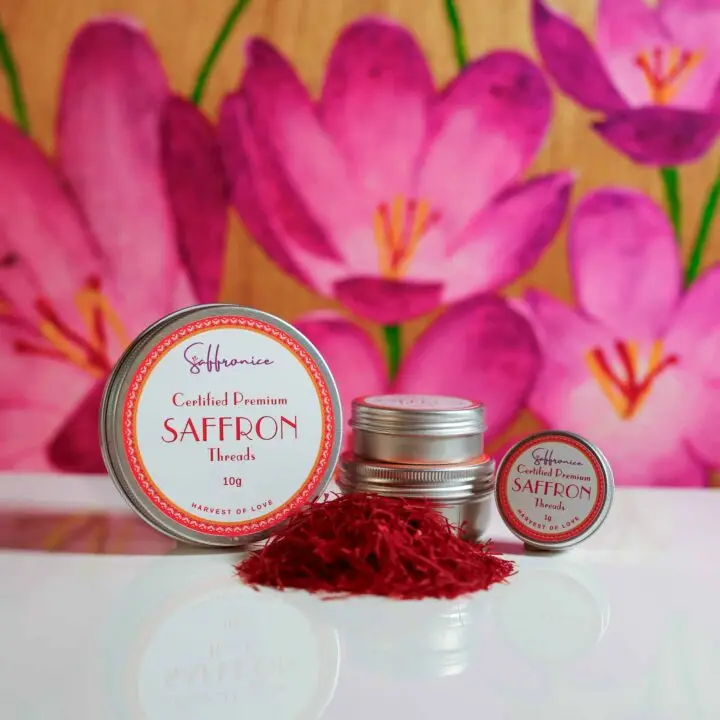

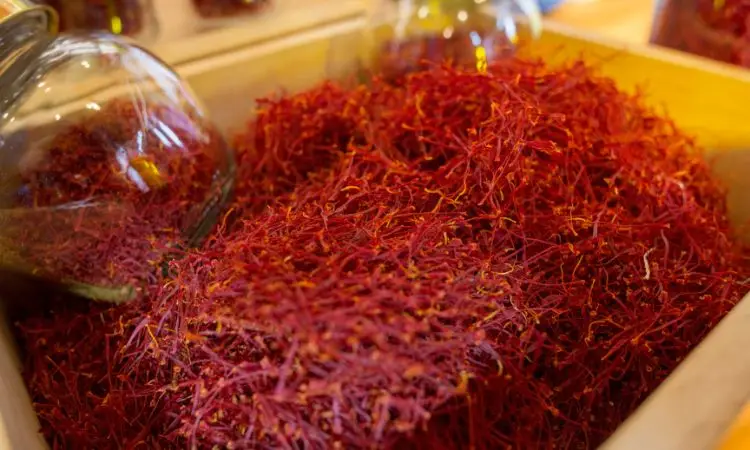
Ever wondered how to harvest the world’s most expensive spice? Saffron, revered as “Red Gold,” represents one of agriculture’s most delicate and labor-intensive crops requiring exceptional care and precision. Understanding proper saffron harvesting methods makes the difference between premium-quality threads commanding top prices and inferior product with diminished value. This comprehensive guide explores every aspect of successfully harvesting saffron—from timing and techniques to processing and storage—ensuring you maximize both quality and yield from your precious crop.
Saffron originates from the delicate stigmas of the Crocus sativus flower, blooming briefly in early autumn for just 2-3 weeks annually. The saffron cultivation process culminates in this critical harvest period, where each flower must be hand-picked and processed with meticulous attention to detail. This intensive process explains why saffron costs $3,000-$6,000 per kilogram—making it literally worth more than gold by weight.
📌 Quick Answer: Harvest saffron flowers in early morning (6-10 AM) during the 2-3 week autumn bloom period when flowers are fully open but fresh. Pick flowers by hand, immediately process indoors by extracting the three crimson stigmas, dry them in a well-ventilated dark area for 2-7 days at room temperature or use a dehydrator at 45-50°C for 30-60 minutes, then store in airtight containers away from light. Approximately 150-170 flowers yield 1 gram of dried saffron.
Key Takeaways on Saffron Harvesting Methods
- Saffron harvesting is extremely labor-intensive, requiring 150-170 flowers per gram.
- Timing harvest correctly during the brief 2-3 week bloom window is crucial for quality.y
- Early morning harvesting (6-10 AM) produces the highest quality stigmas
- Hand-harvesting and careful stigma extraction require patience and skill
- Proper drying techniques preserve color, aroma, and flavor
- Post-harvest storage directly impacts long-term quality and shelf life
- Each step from flower to dried saffron affects the final product value
Understanding the Precious Saffron Crocus Plant
Before mastering harvesting techniques, understanding the saffron crocus (Crocus sativus) provides essential context for optimal results in saffron farming.
Anatomy of Saffron Crocus
The saffron crocus produces a stunning appearance and remarkable biology:
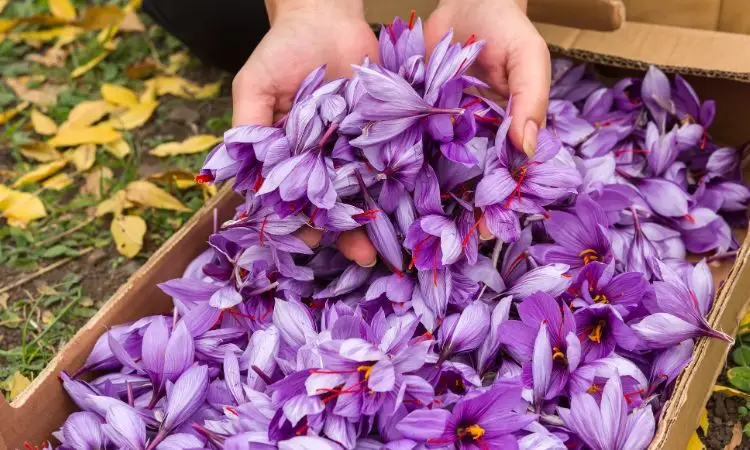
Flower Structure:
- Vibrant purple to violet petals (6 petals total)
- Three vivid crimson-red stigmas (the valuable saffron threads)
- Yellow stamens (not harvested, though sometimes included in lower grades)
- White style connecting stigmas to the flower base
Underground System:
- Corm (underground bulb) stores nutrients and generates new growth
- Mother corms produce 5-10 daughter corms annually
- The root system develops from the corm base
- Corms remain viable 3-5 years before requiring division
Remarkable Statistics:
- Each flower produces only three stigmas
- Approximately 150-170 flowers yield 1 gram of dried saffron
- 75,000 flowers are required for 1 pound of saffron
- Fresh stigmas lose 80% weight during drying
Chef’s Professional Tip: Understanding saffron anatomy helps harvesters make critical decisions. In professional kitchens, we pay premium prices for “all-red” saffron containing only the deep crimson stigma tips without yellow style portions. However, some traditional preparations prefer stigmas with attached style (called “Pushal” grade) for specific flavor profiles. Knowing these distinctions helps harvesters maximize value by processing different grades separately.
Growing Conditions and Requirements
Saffron thrives under specific environmental conditions reflecting its Mediterranean origins. Understanding saffron farming climate requirements helps predict harvest timing and quality:
Climate Preferences:
- Hot, dry summers (25-35°C) for dormancy
- Cool, wet autumns (15-20°C) for flowering
- Cold winters (below 10°C) for vegetative growth
- Distinct seasonal transitions trigger growth phases
Soil Requirements:
- Well-drained, sandy loam or loamy soil
- pH 6.0-8.0 (optimal: 7.0-7.5)
- Deep, loose structure allowing corm expansion
- Minimal waterlogging prevents root rot
Light and Water:
- Full sun exposure (minimum 6-8 hours daily)
- Minimal irrigation during summer dormancy
- Moderate water during flowering and growth
- Excellent drainage prevents corm diseases
Seasonal Growth Patterns
Understanding saffron’s unique reverse growing pattern is essential for harvest planning:
Summer (June-August): Dormancy
- Corms rest underground completely dry
- No visible above-ground growth
- Hot temperatures are maintained in the soil
- Preparation period for autumn flowering
Early Autumn (September): Awakening
- Flower buds form underground
- Corms absorb moisture from returning rains
- No leaves visible yet
- Preparation for blooming
Mid-Autumn (October-November): Flowering
- Flowers emerge rapidly from the soil
- 2-3 week bloom period
- Daily flower opening requiring immediate harvest
- Critical harvest window
Late Autumn-Winter (December-February): Vegetative Growth
- Long, grass-like leaves emerge after flowering
- Photosynthesis and corm multiplication occur
- Energy storage for next season
- Leaf growth continues through spring
Spring (March-May): Maturation
- Leaves mature and photosynthesize
- Corms reach maximum size
- Gradual yellowing and die-back
- Transition toward summer dormancy
Planning Your Saffron Garden Setup
Strategic garden planning optimizes harvest efficiency and long-term productivity. Learn more about avoiding common saffron growing challenges through proper planning.
Site Selection Considerations
Choose locations providing optimal growing conditions:
Sunlight: Full sun exposure in cooler climates; afternoon shade in hot regions
Drainage: Absolutely critical—waterlogged soil destroys corms
Accessibility: Easy access for daily harvest during the bloom period
Protection: Wind protection during flowering prevents flower damage
Soil Quality: Test and amend soil before planting for optimal pH and fertility
Garden Design for Harvest Efficiency
Raised Beds (Recommended):
- Elevate beds 20-30cm for superior drainage
- Create beds 1-1.5m wide, allowing easy access from both sides
- Length varies based on space and corn quantity
- Paths between beds facilitate harvest movement
Row Spacing:
- Plant corms in rows 20-30cm apart
- Within rows, space corms 10-15cm apart
- Stagger rows for maximum density
- Label rows facilitating tracking and management
Cluster Planting:
- Group corms in circular or square clusters
- 50-60 corms per square meter
- Leave paths between clusters for access
- Easier expansion and management
Crop Rotation Principles
While saffron occupies land for 3-5 years, rotation after lifting corms prevents disease buildup:
- Avoid replanting saffron in the same location immediately
- Wait 4-5 years before returning saffron to the same beds
- Rotate with deep-rooted crops, breaking disease cycles
- Use cover crops to improve soil health between saffron cycles
Implementing principles from sustainable saffron farming creates long-term productive systems.
Best Time to Plant Saffron Corms
Successful harvests begin with proper planting timing and techniques. Integration with organic saffron farming practices enhances overall results.
Optimal Planting Windows
Northern Hemisphere: Late July through September
Southern Hemisphere: January through March
Timing Factors:
- Plant 6-8 weeks before anticipated first autumn rains
- Soil temperature should be 20-25°C at planting depth
- Avoid extreme heat or drought conditions
- Allow root establishment before flowering
Soil Preparation Techniques
Thorough preparation prevents problems and optimizes productivity:
Step 1: Testing and Analysis
- Conduct soil pH test (target: 6.0-8.0)
- Test drainage by filling holes with water (should drain within 24 hours)
- Analyze nutrient levels, identifying deficiencies
Step 2: Soil Improvement
- Deep cultivation 20-30cm depth
- Incorporate compost (5-10cm lay, er), improving structure
- Add coarse sand to heavy clay (20-30% by volume)
- Mix in bone meal or rock phosphate for phosphorus
Step 3: Final Preparation
- Create raised beds; drainage is questionable
- Level beds for uniform moisture distribution
- Allow soil settling 4-6 weeks before planting
- Install rodent barriers if pest pressure exists
Optimal Planting Depth and Spacing
Correct planting depth and spacing influence flowering and long-term productivity:
Planting Depth:
- Standard depth: 10-15cm from soil surface to corm top
- Deeper planting (15cm): Better frost protection, delayed emergence
- Shallow planting (8-10cm): Earlier emergence, more vulnerable to frost
Spacing Guidelines:
- Within rows: 10-15cm between corms
- Between rows: 20-30cm, allowing access
- High-density: 50-60 corms per square meter
- Low-density: 30-40 corms per square meter (easier management)
Planting Orientation:
- Place the cor with the e flat side (root plate) downward
- Pointed growing tip facing upward
- Proper orientation ensures correct emergence
Initial Watering Requirements
Understanding saffron irrigation needs from planting through harvest optimizes results:
Post-Planting Irrigation:
- Water thoroughly immediately after planting
- Apply 30-40mm of settling soil around corms
- Ensure water penetrates to the corm depth
Establishment Phase:
- Water every 7-10 days if no rainfall
- Maintain moderate soil moisture
- Avoid waterlogging at all costs
- Reduce watering as leaves emerge
Pre-Flowering:
- Resume irrigation in late summer (August-September)
- Apply 20-30mm weekly until flowering begins
- Stop watering once flowers emerge
- Dry conditions during bloom produce the best quality
Saffron Harvesting Methods: The Critical Process
The actual harvest represents the culmination of months of preparation and care. Proper technique directly impacts final product quality and value.
Hand-Harvesting Traditional Methods
Traditional hand-harvesting remains the gold standard despite modern mechanization attempts:
Harvest Timing:
- Begin harvest when 20-30% of flowers have opened
- Pick daily throughout the 2-3 week bloom period
- Early morning (6-10 AM) provides optimal conditions
- After dew dries but before midday heat
Picking Technique:
- Grasp the flower stem near the base
- Gently pull upward with a slight twisting motion
- Avoid crushing delicate petals or stigmas
- Place flowers gently in collection baskets
Harvest Speed:
- Experienced harvesters: 1,000-1,500 flowers per hour
- Beginners: 300-600 flowers per hour
- Small operations: 5,000-10,000 flowers daily are achievable
- Large operations: Require multiple harvest teams
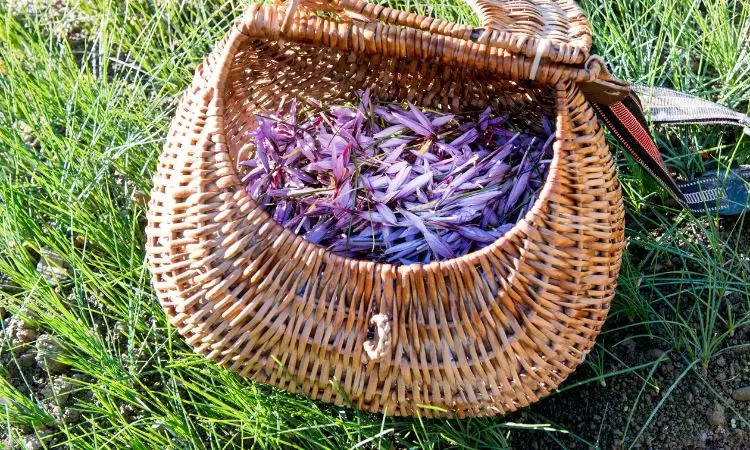
Collection Containers:
- Use shallow baskets, preventing flower crushing
- Line with cloth or paper cushioning flowers
- Avoid overfilling baskets
- Transport immediately to the processing area
Food Scientist’s Note: Temperature during harvest significantly affects stigma quality. Research shows that stigmas harvested in cool morning temperatures (10-15°C) retain higher concentrations of crocin and safranal compared to those picked during midday heat (20-25°C). The biochemical explanation involves volatile compound evaporation and accelerated enzymatic degradation at higher temperatures. This scientific reality justifies the traditional early morning harvest timing.
Mechanical Harvesting Considerations
While rare, mechanical harvesting exists for large operations:
Advantages:
- Increased harvest speed
- Reduced labor requirements
- Consistent picking force
Disadvantages:
- High equipment cost ($50,000-$150,000)
- Slower than expected (500-800 flowers/hour)
- Flower damage reduces quality
- Cannot distinguish flower maturity
- Requires specific field layouts
Verdict: For most operations, especially quality-focused producers, hand-harvesting remains superior despite labor intensity.
Quality Indicators During Harvest
Recognizing quality during harvest ensures premium results:
Optimal Flowers:
- Fully elongated with opened or opening petals
- Vibrant purple color without browning
- Fresh appearance without wilting
- Intact stigmas visible inside
- Strong, fresh fragrance
Avoid These Flowers:
- Overripe with browning petals
- Wilted or damaged by the weather
- Already visited by insects
- Showing disease symptoms
- Partially opened or closed (unless specific timing strategy)
Identifying the Perfect Harvest Moment
Precise timing maximizes both yield and quality, differentiating premium saffron from regular grades.
Daily Harvest Window
Early Morning (6-10 AM) – Optimal:
- Flowers fresh with overnight moisture
- Cool temperatures preserve volatile compounds
- Stigmas plump and vibrant
- Before pollinating insects arrive
- Optimal for the highest quality
Late Morning (10 AM-12 PM) – Acceptable:
- Flowers fully open
- Increasing temperatures begin to degrade
- Stigmas begin drying slightly
- Good quality but not premium
Afternoon (12 PM onward) – Avoid:
- High temperatures accelerate degradation
- Stigmas dried and brittle
- Color and aroma loss begin
- Quality significantly reduced
Flower Maturity Assessment
Perfect Timing Indicators:
- The flower elongated from the soil surface
- Petals opening or just opened (second day of bloom)
- Stigmas are deep crimson without browning
- Style bright yellow connecting stigmas
- Fresh fragrance when approaching plants
Too Early:
- Flowers still closed or just emerging
- Difficult stigma removal
- Lower fresh weight
Too Late:
- Browning petals or stigmas
- Wilted appearance
- Reduced aroma intensity
- Lower market value
Weather Considerations
Weather during the harvest period significantly impacts operations:
Ideal Conditions:
- Clear, sunny days
- Low humidity (40-60%)
- Moderate temperatures (15-20°C)
- No recent rain
- Light breeze
Challenging Conditions:
- Rain during bloom: Delays harvest, reduces quality
- High wind: Damages flowers, makes picking difficult
- Frost: Can damage open flowers
- Prolonged clouds: Delays flower opening
Adaptation Strategies:
- Harvest immediately before predicted rain
- Use covers protecting flowers during inclement weather
- Adjust timing based on weather forecasts
- Process immediately any compromised flowers
Essential Tools and Equipment for Harvesting
Proper equipment facilitates efficient harvest and processing while maintaining quality.
Hand Harvesting Tools
Collection Baskets:
- Shallow wicker or plastic baskets (30-40cm diameter)
- Cloth or paper lining prevents damage
- Multiple baskets for field rotation
- Comfortable carrying handles
Processing Tools:
- Small scissors or nail scissors (optional for stigma removal)
- Tweezers (backup for difficult extractions)
- Clean, smooth work surface
- Good lighting (natural or bright LED)
Personal Items:
- Comfortable cushions for sitting during processing
- Gloves (optional—many prefer bare hands for sensitivity)
- Wide-brimmed hat protects from the sun
- Water bottle staying hydrated
Storage Containers and Drying Equipment
Drying Surfaces:
- Clean white paper or parchment paper
- Mesh screens allowing air circulation (18-20 mesh)
- Food-grade stainless steel trays
- Ceramic plates (traditional method)
Drying Equipment Options:
Food Dehydrator (Recommended):
- Temperature range: 35-50°C
- Adjustable trays for different batch sizes
- Timer function for consistency
- Even air circulation
Room Drying Setup:
- Dark, well-ventilated room
- Temperature: 20-25°C
- Low humidity: <50%
- Protection from dust and insects
Storage Containers:
- Small amber glass jars with airtight lids
- Food-grade stainless steel containers
- Vacuum-seal bags for long-term storage
- Avoid plastic (can transfer odors)
Processing Fresh Saffron Stigmas
Immediate processing after harvest preserves quality and maximizes value. Understanding saffron quality standards guides processing decisions.
Separation Techniques
Stigma extraction requires patience and gentle handling:
Traditional Hand Method:
- Prepare Workspace: Clean, well-lit surface with white paper
- Open Flower: Gently pull back petals, exposing internal structures
- Identify Stigmas: Locate three crimson threads connected by a yellow style
- Extraction: Pinch style just below stigmas, gently pull straight up
- Placement: Lay stigmas flat on the drying surface, avoiding stacking
Style Length Considerations:
All-Red (Sargol): Remove only crimson portion—highest grade, maximum value
With Style (Pushal): Include 2-3mm yellow style—traditional grade, easier processing
Complete Style (Bunch/Daste): Entire stigma and style—lower grade, faster processing
Processing Speed:
- Experienced processors: 600-800 flowers per hour
- Beginners: 200-400 flowers per hour
- Family operations: 3,000-5,000 flowers daily are achievable
- Immediate processing critical—within 2-4 hours of harvest
Chef’s Professional Tip: When purchasing saffron, I always prefer “all-red” sargol grade because it provides maximum flavor and color per gram. However, some traditional recipes specifically call for styles-included grades for authentic flavor profiles. Processing different grades separately allows producers to serve multiple markets, maximizing overall profitability.
Quality Control Measures
Implementing quality controls during processing ensures a consistent premium product and aligns with saffron grading systems:
Visual Inspection:
- Check each stigma for deep crimson color
- Remove any brown, damaged, or pale stigmas
- Eliminate foreign material (petals, stamens, debris)
- Sort by color and size if creating multiple grades
Freshness Assessment:
- Process within 2-4 hours of harvest
- Monitor stigma moisture and pliability
- Discard any showing signs of decay or mold
- Maintain a clean, cool processing environment
Documentation:
- Record harvest date and flower count
- Track processing time and method
- Note the weather conditions during harvest
- Calculate fresh to dry weight ratios
Contamination Prevention:
- Wash your hands thoroughly before processing
- Use clean tools and surfaces
- Avoid strong odors in the processing area
- Separate different harvest days or grades
Learn more about saffron purity testing to verify your product meets international standards.
Proper Drying and Storage Methods
Correct drying and storage preserve saffron quality for extended periods, maximizing return on harvest effort. Detailed guidance on saffron storage methods supports long-term quality maintenance.
Drying Techniques
Natural Air Drying:
Setup:
- Spread stigmas in a single layer on paper or mesh
- Place in a dark, well-ventilated room
- Maintain a 20-25°C temperature
- Relative humidity below 50%
Duration: 3-7 days until completely crisp
Advantages: No equipment needed, traditional method, minimal cost
Disadvantages: Weather-dependent, longer time, inconsistent results
Food Dehydrator Method (Recommended):
Settings:
- Temperature: 45-50°C (115-120°F)
- Time: 30-60 minutes
- Single-layer placement
- Check every 15 minutes
Advantages: Fast, consistent, weather-independent, quality preservation
Disadvantages: Equipment cost, electricity use, capacity limitations
Oven Drying (Emergency Only):
Settings:
- Lowest setting (usually 50-70°C)
- Door slightly ajar for moisture escape
- 20-30 minutes with constant monitoring
- High risk of overdrying
Critical Drying Guidelines:
- Never exceed 50°C (destroys bioactive compounds)
- Avoid direct sunlight (bleaches color, evaporates aromatics)
- Test dryness: threads should snap cleanly when bent
- Fresh stigmas lose approximately 80% weight when properly dried
Storage Best Practices
Container Selection:
- Airtight amber glass jars (preferred)
- Food-grade stainless steel containers
- Vacuum-sealed bags for bulk storage
- Never use plastic containers (absorb/transfer odors)
Storage Conditions:
- Temperature: 5-15°C (refrigeration optional but beneficial)
- Humidity: Below 60% relative humidity
- Light: Complete darkness
- Location: Away from strong-smelling substances (coffee, spices)
Storage Duration:
- Optimal quality: 12-18 months
- Good quality: Up to 24 months
- Acceptable: Up to 36 months
- Beyond: Gradual aroma and color loss
Quality Monitoring:
- Check monthly for moisture condensation
- Smell periodically, ensuring aroma retention
- Visual inspection for color fading
- Document storage conditions and duration
Frequently Asked Questions
When is the exact best time to harvest saffron flowers?
Harvest saffron in early morning (6-10 AM) after dew dries but before midday heat, during the brief 2-3 week flowering period in October-November (Northern Hemisphere). Pick flowers when fully elongated and just opening—typically the second day of bloom—when stigmas are deepest red and most aromatic. This timing maximizes crocin, picrocrocin, and safranal content while preventing degradation from heat and light exposure.
How many saffron flowers are needed for 1 gram of dried saffron?
Approximately 150-170 flowers produce 1 gram of dried saffron, depending on flower size, stigma development, and processing method. Fresh stigmas weigh approximately 0.007 grams per flower (three stigmas total), losing about 80% weight during proper drying. Therefore, 1 ounce (28 grams) requires 4,200-4,760 flowers, and 1 pound needs approximately 75,000 flowers—explaining saffron’s extraordinary market value.
Can saffron harvesting be mechanized successfully?
While mechanical harvesters exist, hand-harvesting remains superior for quality-focused production. Machines cost $50,000-$150,000, harvest only 500-800 flowers per hour (experienced hand-harvesters achieve 1,000-1,500), cannot assess flower maturity, and often damage delicate stigma, reducing quality grades. Most premium saffron producers worldwide continue traditional hand-harvesting methods, preserving quality and maximizing value.
How long does the saffron harvest season last?
The saffron harvest season typically lasts 2-3 weeks in mid-autumn, though exact timing varies by climate and elevation. In Mediterranean regions, harvest generally occurs late October through mid-November. Warmer regions may flower slightly later than cooler locations. Eal flower blooms for only 1-2 days, requiring daily harvesting throughout the season. Missing even one day results in overripe, lower-quality stigmas.
What’s the best method for drying fresh saffron stigmas?
Food dehydrator drying at 45-50°C for 30-60 minutes provides the most consistent, high-quality results. Alternatively, spread stigmas in a single layer on paper in a dark, well-ventilated room (20-25°C, <50% humidity) for 3-7 days until crisp. Never dry in direct sunlight (destroys color and aromatics) or above 50°C (degrades bioactive compounds). Properly dried saffron snaps cleanly when bent and weighs approximately 20% of its fresh weight.
How should harvested saffron be stored for maximum quality?
Store completely dried saffron threads in airtight amber glass jars in a cool (5-15°C), dark location with low humidity (<60%). Protect from light, moisture, heat, and strong odors, which accelerate quality degradation. Properly stored saffron maintains optimal quality for 12-18 months, remains good for 24 months, and is acceptable up to 36 months. Check monthly for moisture condensation or aroma loss, adjusting storage conditions as needed.
What are the signs of properly vs. improperly harvested saffron?
Premium properly harvested saffron exhibits deep crimson-red threads (no orange or yellow except small style portion), strong, distinctive aroma, dr,y crisp texture that snaps cleanly, uniform thread appearance, and threads approximately 25-30mm long. Poor quality indicators include pale orange color, musty or hay-like odor, flexible rather than brittle texture, broken fragments, and presence of yellow styles or foreign material—suggesting late harvest, poor drying, or contamination.
Conclusion
Mastering saffron harvesting methods transforms the challenging cultivation process into o valuable, premium-quality spice commanding top market prices. From understanding optimal harvest timing and perfecting stigma extraction techniques to implementing proper drying and storage protocols, every step influences final product quality and value. The labor-intensive nature of saffron harvest—requiring 150-170 flowers per gram—explains both the spice’s extraordinary cost and the importance of meticulous technique throughout the process.
Success in saffron harvesting combines traditional knowledge passed through generations with modern understanding of quality factors and biochemistry. Whether growing saffron commercially or for personal use, implementing proper harvest methods ensures your efforts yield maximum returns in both quality and market value. The brief 2-3 week harvest window demands preparation, dedication, and attention to detail—but rewards committed growers with one of the world’s most precious culinary treasures.
For those interested in purchasing premium-quality saffron to compare against home-grown harvests, explore options for buying saffron from reputable sources that employ traditional harvesting methods, ensuring authentic quality.