
📌 Quick Answer: Test saffron freshness using visual inspection (deep red threads with flexible texture), aroma assessment (sweet, hay-like fragrance), water test (slow golden color release), and texture evaluation (slight flexibility without brittleness). Fresh saffron contains high crocin (color), safranal (aroma), and picrocrocin (flavor) compounds.
Saffron, the world’s most expensive spice by weight, demands careful quality assessment to ensure you receive an authentic, potent product worthy of its premium price. Understanding freshness indicators protects your investment while guaranteeing optimal culinary and therapeutic benefits from this precious spice.
Freshness directly impacts saffron’s three key compounds: crocin (responsible for color), safranal (creating aroma), and picrocrocin (providing flavor). These bioactive compounds degrade over time, making freshness assessment crucial for both culinary applications and health benefits.
Chef’s Professional Tip: In restaurant kitchens, we test every new saffron batch by crushing a few threads between fingers – fresh saffron releases an immediate, intense aroma and leaves a slight oily residue, indicating preserved essential compounds.
Key Freshness Assessment Indicators
- Color Vibrancy: Deep crimson-red threads with natural color variation
- Aroma Intensity: Strong, sweet, hay-like fragrance when crushed
- Physical Texture: Slight flexibility with minimal brittleness
- Water Test Results: Slow, steady golden color release over 10-15 minutes
- Moisture Content: 10-12% optimal range for preservation and potency
- Storage Appearance: No fading, mold, or structural degradation
Understanding Saffron Quality and Freshness Importance
The significance of saffron quality assessment extends beyond culinary preferences to encompass health benefits, economic value, and therapeutic efficacy.
Culinary Impact of Fresh Saffron
Fresh saffron transforms dishes through its complex sensory profile:
Color Development: Fresh saffron contains high crocin levels (typically 200+ on the ISO 3632 scale) that provide the characteristic golden hue essential for dishes like paella, risotto, and biryani. Degraded saffron produces pale, weak coloration that fails to achieve the desired visual impact.
Flavor Complexity: Picrocrocin compounds create saffron’s distinctive, slightly bitter, honey-like taste that balances sweetness in both savory and dessert applications. Fresh saffron enhances cooking by providing full flavor development rather than a one-dimensional taste.
Aromatic Contribution: Safranal compounds (minimum 20 on the ISO scale for premium grades) create the unmistakable fragrance that makes saffron irreplaceable in fine cuisine. Fresh saffron releases these aromatics readily, while old saffron may lack this essential characteristic.
Health and Therapeutic Considerations
Saffron’s health benefits depend entirely on bioactive compound concentration:
Antioxidant Potency: Saffron’s antioxidant compounds degrade significantly over time, reducing therapeutic value for cardiovascular health, cognitive support, and cellular protection.
Mood Enhancement Properties: Clinical studies on saffron’s antidepressant effects used standardized extracts with specific safranal and crocin concentrations. Fresh saffron ensures these compounds remain at therapeutic levels.
Food Scientist’s Note: Saffron’s bioactive compounds are volatile and light-sensitive. Crocin levels can decrease by 20-30% within six months under poor storage conditions, while safranal degrades even more rapidly when exposed to heat and light.
Essential Home Testing Tools and Materials
Effective freshness assessment requires minimal equipment that most households possess, making quality evaluation accessible and practical.
Basic Testing Equipment
Visual Examination Tools:
- Magnifying Glass: 2-4x magnification reveals thread structure, natural variations, and potential adulterants
- Natural Lighting: Daylight or full-spectrum LED lighting for accurate color assessment
- White Background: A Clean white plate or paper provides a neutral comparison surface
Sensory Testing Materials:
- Clean Hands: For texture assessment and aroma release through gentle crushing
- Glass Containers: For water tests and aroma concentration
- Room Temperature Water: Chlorine-free water prevents interference with natural compounds
- Timer: For monitoring color release patterns and testing duration
Visual Inspection: Color and Structural Analysis
Visual examination provides the foundation for freshness assessment, revealing key indicators that reflect compound concentration and storage history.
Authentic Fresh Saffron Characteristics
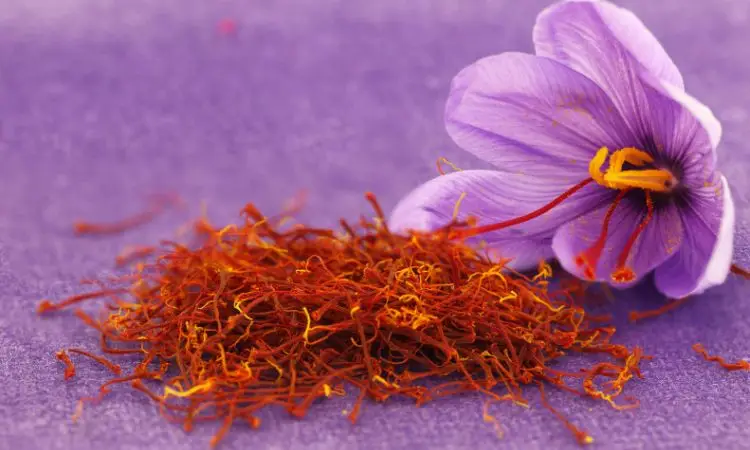
Color Profile Analysis: Fresh saffron displays deep crimson-red coloration at thread tips (stigma ends) with natural gradation to lighter orange-red in middle sections and pale yellow or white at bases. This color variation indicates natural harvesting and minimal processing.
Thread Structure Examination: Authentic fresh threads show trumpet or funnel shapes at tips, gradually narrowing toward bases. The surface should appear slightly textured rather than perfectly smooth, reflecting natural plant structure and proper drying processes.
Quality Grade Assessment Through Visual Inspection
Grade I (Coupe) Fresh Characteristics:
- Intense, uniform crimson color throughout
- Long, thick threads with pronounced trumpet shapes
- Minimal white or yellow portions (less than 5%)
- Clean appearance without foreign matter
The Water Test: Comprehensive Authenticity Assessment
The water test provides the most reliable method for assessing both authenticity and freshness, revealing color release patterns that indicate compound concentration and integrity.
Proper Water Testing Methodology
Standard Testing Protocol:
- Sample Selection: Choose 8-10 representative threads from different parts of your saffron batch
- Water Preparation: Use room temperature (20-22°C), filtered water in a clear glass container
- Thread Introduction: Gently place threads in water without stirring or agitation
- Observation Period: Monitor color development for 15-20 minutes with timing documentation
- Final Assessment: Evaluate water color, thread condition, and any sediment formation
Fresh Saffron Water Test Results:
Color Development Pattern: Fresh saffron releases color gradually, beginning within 2-3 minutes and continuing steadily for 10-15 minutes. The final water color should be rich golden-yellow, similar to strong tea, never bright orange or artificially vivid.
Thread Behavior: Fresh threads maintain structural integrity throughout testing, becoming more pliable but not dissolving or breaking apart. They should retain their shape and some color even after extended exposure.
Aroma Assessment: Evaluating Safranal Concentration
Aroma analysis reveals safranal compound concentration, which directly correlates with freshness and therapeutic potency.
Fresh Saffron Aroma Profile
Characteristic Fragrance Components: Fresh saffron produces a complex aromatic profile combining:
- Sweet Notes: Natural honey-like sweetness from authentic compounds
- Hay-like Character: Distinctive dried grass or hay undertones
- Metallic Hints: Subtle mineral notes characteristic of genuine saffron
- Floral Elements: Delicate floral notes without perfume-like intensity
Proper Aroma Testing Technique: Gently crush 2-3 threads between clean fingers to release aromatic compounds. The fragrance should be immediately apparent, intense, and pleasant. Fresh saffron maintains this aroma for several minutes after crushing.
Texture and Physical Properties Assessment
Physical characteristics reveal storage history, moisture content, and overall preservation quality.
Fresh Saffron Texture Characteristics
Optimal Flexibility: Fresh saffron threads display slight flexibility, bending gently without immediately breaking. They should feel slightly springy when handled, indicating proper moisture content and preserved cellular structure.
Natural Oiliness: Quality fresh saffron feels slightly oily or tacky when rubbed between fingers, indicating preserved essential oils and aromatic compounds that contribute to potency.
Texture-Based Freshness Testing
Flexibility Assessment: Gently bend individual threads between fingers. Fresh saffron should:
- Bend slightly before breaking
- Show resistance to pressure without immediate snapping
- Returns partially to its original shape when pressure is released
- Feel substantial rather than brittle or powdery
Storage Impact on Freshness Preservation
Understanding how storage methods affect saffron freshness enables better preservation and quality maintenance.
Optimal Storage Conditions
Temperature Control: Fresh saffron maintains quality best at 50-70°F (10-21°C). Higher temperatures accelerate compound degradation, while freezing can damage cellular structure and reduce potency.
Humidity Management: Relative humidity below 50% prevents moisture absorption that can lead to mold growth, clumping, and compound degradation.
Light Protection: Ultraviolet light rapidly degrades crocin compounds responsible for color. Dark storage prevents photodegradation and maintains visual appeal and potency.
Freshness Assessment Integration with Purchasing Decisions
Combining freshness knowledge with smart purchasing strategies maximizes value and quality outcomes.
Vendor Assessment Through Freshness Standards
Quality-Focused Vendors: Reputable saffron brands provide:
- Harvest date information enabling freshness evaluation
- Proper packaging protects product integrity
- Storage recommendations for maintaining quality
- Quality guarantees supporting freshness claims
Frequently Asked Questions
How can I tell if my saffron is fresh without professional testing? Use the combination water test (fresh saffron releases golden color slowly over 10-15 minutes), aroma assessment (intense, sweet, hay-like fragrance when crushed), and texture evaluation (slight flexibility without brittleness). Fresh saffron should excel in all three areas.
What does fresh saffron smell like compared to old saffron? Fresh saffron has an intense, complex aroma combining sweet honey notes, hay-like undertones, and slight metallic hints. Old saffron shows a weak, simplified fragrance that dissipates quickly or may develop musty, stale odors from poor storage.
How long does saffron stay fresh, and how can I extend its life? Properly stored saffron maintains optimal freshness for 2-3 years from harvest. Store in airtight containers in cool (50-70°F), dry (below 50% humidity), dark conditions. Avoid exposure to light, heat, moisture, and air to preserve potency.