
📌 Quick Answer: Saffron (Kumkuma/Kesar) is revered in Ayurveda as a tridoshic herb that uniquely balances all three doshas – Vata, Pitta, and Kapha. This “healing fire” spice supports mood enhancement, reproductive health, skin radiance, digestive wellness, and spiritual clarity through its potent bioactive compounds crocin, safranal, and picrocrocin.
Ancient Origins and Sacred Significance {#ancient-origins}
Saffron holds an exalted position in Ayurvedic medicine as “Kumkuma” or “Kesar,” earning recognition as the “king of spices” for its unparalleled therapeutic versatility. This precious golden spice, derived from the delicate stigmas of Crocus sativus flowers, has been treasured in Ayurvedic texts for over 3,000 years, with the earliest mentions found in classical works like the Charaka Samhita and Sushruta Samhita.
The journey of saffron into Ayurvedic practice reflects a sophisticated understanding of botanical medicine that extends far beyond its culinary applications. Ancient Ayurvedic physicians recognized saffron’s unique ability to work harmoniously across multiple body systems while maintaining energetic balance – a quality that sets it apart from most herbs that typically favor specific constitutional types.
Food Scientist’s Ayurvedic Perspective: Having studied both modern biochemistry and traditional Ayurvedic principles, I find saffron remarkable for how its chemical compounds align perfectly with Ayurvedic energetics. The crocin provides cooling Pitta balance, safranal offers warming Vata support, and the overall complex energizes sluggish Kapha – truly embodying the ancient wisdom of tridoshic harmony.
The history and origins of saffron in Ayurveda trace back to ancient trade routes connecting Kashmir, Persia, and the Indian subcontinent. Ayurvedic practitioners were among the first to systematically document saffron’s therapeutic properties, creating detailed protocols that remain relevant in contemporary practice.
Cultural and Spiritual Dimensions
Saffron’s significance in Ayurveda transcends physical healing to encompass spiritual and emotional transformation. The golden color symbolizes the divine light of consciousness (Sattva), while its precious nature represents the refinement required for true spiritual development. In Vedic tradition, saffron connects practitioners to higher states of awareness while maintaining grounding in physical reality.
The intensive cultivation process – requiring 75,000 flowers to produce just one pound of saffron – mirrors the Ayurvedic principle that the most profound healing often requires patience, dedication, and reverence for natural processes.
Understanding Tridoshic Balance {#tridoshic-balance}
The Unique Tridoshic Nature
What distinguishes saffron in Ayurvedic pharmacology is its rare classification as a tridoshic herb – meaning it can harmoniously balance all three doshas (Vata, Pitta, and Kapha) without causing imbalance in any constitutional type. This extraordinary quality makes saffron one of the most versatile therapeutic agents in the Ayurvedic materia medica.
Vata Balancing Properties:
- Nervous system support: Saffron’s warming, grounding qualities calm Vata’s restless, scattered energy
- Anxiety reduction: Gentle sedative effects soothe overstimulated nervous systems
- Sleep enhancement: Promotes deep, restorative rest essential for Vata balance
- Circulation improvement: Enhances blood flow to counteract Vata’s cold, dry tendencies
Pitta Pacifying Actions:
- Cooling inflammation: Despite its warming nature, saffron cools excessive Pitta heat
- Liver support: Protects and detoxifies the liver, Pitta’s primary organ
- Skin cooling: Reduces inflammatory skin conditions associated with Pitta excess
- Emotional cooling: Calms irritability and anger typical of Pitta imbalance
Kapha Stimulating Effects:
- Metabolic activation: Kindles digestive fire (Agni) to overcome Kapha sluggishness
- Circulation enhancement: Moves stagnant lymph and blood characteristic of Kapha excess
- Mental clarity: Dispels the mental fog and lethargy associated with Kapha imbalance
- Respiratory support: Clears congestion and promotes healthy breathing
Rasa (Taste) and Virya (Potency) Analysis
Ayurvedic understanding of saffron’s therapeutic actions stems from its classical energetic properties:
- Rasa (Taste): Sweet (Madhura) and bitter (Tikta) – providing both nourishing and purifying actions
- Virya (Potency): Warming (Ushna) – kindling digestive fire while avoiding excessive heat
- Prabhava (Special Effect): Medhya (brain tonic) and Rasayana (rejuvenative) – unique consciousness-enhancing properties
This energetic profile explains saffron’s ability to simultaneously nourish and purify, warm and cool, stimulate and calm – embodying the Ayurvedic principle of dynamic balance rather than static equilibrium.
Psychological and Emotional Wellness {#emotional-wellness}
Ayurvedic Psychology and Saffron
Ayurveda recognizes the intimate connection between mental and physical health, viewing psychological imbalances as disruptions in the subtle energies governing consciousness. Saffron’s classification as a “Medhya Rasayana” (brain tonic and rejuvenative) reflects its profound influence on mental-emotional equilibrium.
Depression and Anxiety Management
Traditional Ayurvedic texts describe depression as “Vishada” – a condition involving depleted ojas (vital essence), blocked srotas (channels), and disturbed Vata-Kapha balance. Saffron addresses these root causes through multiple mechanisms that modern research continues to validate.
Classical Ayurvedic Applications:
- Manas Roga (mental disorders): Primary herb for balancing psychological disturbances
- Smriti Bhramsha (memory loss): Enhances cognitive function and mental clarity
- Chinta (anxiety): Calms a worried mind while maintaining alertness
- Alasya (lethargy): Energizes consciousness without overstimulation
Modern research confirms these traditional applications, with studies demonstrating saffron’s effectiveness for mood regulation through neurotransmitter modulation – particularly serotonin, dopamine, and GABA systems that Ayurveda describes in energetic terms.
Enhancing Sattva (Mental Clarity)
Ayurveda recognizes three mental qualities: Sattva (clarity, balance, harmony), Rajas (activity, passion, restlessness), and Tamas (inertia, darkness, confusion). Saffron specifically enhances Sattva while reducing excessive Rajas and Tamas, creating optimal conditions for mental peace and spiritual development.
Sattvavajaya Chikitsa (Psychotherapy) Applications:
- Meditation support: Enhances concentration and inner awareness
- Spiritual practice: Supports contemplative states and divine connection
- Creative expression: Inspires artistic and intellectual pursuits
- Wisdom cultivation: Promotes discernment and conscious decision-making
Reproductive and Women’s Health {#reproductive-health}
Ayurvedic Gynecology and Saffron
Ayurveda’s approach to women’s health emphasizes the dynamic interplay between Vata (governing movement), Pitta (governing transformation), and Kapha (governing structure) within the reproductive system. Saffron’s tridoshic balancing properties make it particularly valuable for addressing complex gynecological conditions that involve multiple doshas.
Menstrual Health and Regulation
Classical Ayurvedic Applications:
- Artava Kshaya (scanty menstruation): Saffron’s blood-building properties restore healthy flow
- Artava Vriddhi (excessive bleeding): Cooling Pitta effects regulate excessive flow
- Kastartava (painful periods): Anti-inflammatory and analgesic properties reduce cramping
- Anartava (amenorrhea): Gentle warming action stimulates natural cycles
The women’s health benefits of saffron extend beyond symptom management to address underlying constitutional imbalances that create menstrual irregularities.
Fertility and Reproductive Vitality
Ayurvedic fertility treatment focuses on enhancing “Artava Dhatu” (reproductive tissue) quality and “Shukra Dhatu” (reproductive essence) in both men and women. Saffron’s classification as both Rasayana (rejuvenative) and Vajikarana (aphrodisiac) makes it valuable for comprehensive fertility support.
Traditional Fertility Applications:
- Shukra Vriddhi (enhancing fertility): Improves the quality of reproductive tissues
- Garbhadhana (conception support): Prepares body-mind for a healthy pregnancy
- Kama Vriddhi (libido enhancement): Natural aphrodisiac properties support sexual health
- Ojas Vardhana (vitality building): Enhances overall reproductive vitality
Pregnancy and Postpartum Support
Caution: While culinary amounts of saffron are generally safe during pregnancy, therapeutic doses should only be used under professional Ayurvedic guidance due to potential uterine-stimulating effects.
Traditional Postpartum Applications:
- Sutika Paricharya (postpartum care): Supports healing and energy restoration
- Stanya Janana (lactation support): May enhance milk production quality
- Garbhashaya Shuddhi (uterine cleansing): Supports healthy recovery
- Manas Prasanna (mood stabilization): Addresses postpartum emotional challenges
Skin, Hair, and Beauty Applications {#beauty-applications}
Ayurvedic Dermatology Principles
Ayurveda views skin health as a reflection of overall constitutional balance, particularly the harmony between Bhrajaka Pitta (skin metabolism), Vyana Vata (circulation), and Avalambaka Kapha (skin moisture). Saffron’s tridoshic properties address multiple causative factors simultaneously.
Traditional Beauty and Skincare Applications
Classical Ayurvedic Formulations:
- Varnya (complexion enhancement): Saffron paste with milk for radiant skin
- Kusthaghna (skin disorder treatment): Anti-inflammatory properties for various skin conditions
- Vranaropana (wound healing): Antimicrobial and regenerative effects
- Jarahar (anti-aging): Antioxidant properties prevent premature aging
Modern research validates these traditional applications, confirming saffron’s effectiveness for skin benefits through multiple mechanisms, including antioxidant protection, anti-inflammatory action, and collagen synthesis support.
Hair Health and Scalp Care
Traditional Hair Care Applications:
- Kesha Vardhana (hair growth promotion): Scalp circulation enhancement
- Palitya Nashana (premature graying prevention): Antioxidant protection for hair follicles
- Khalitya (hair loss treatment): Nutritional support for healthy hair growth
- Keshya (hair strengthening): Protein synthesis support for strong, lustrous hair
Anti-Aging and Longevity
Saffron’s classification as a Rasayana (rejuvenative) herb positions it prominently in Ayurvedic anti-aging protocols. The anti-aging properties work at cellular, tissue, and systemic levels to slow aging processes while enhancing vitality.
Rasayana (Rejuvenative) Mechanisms:
- Cellular protection: Antioxidant compounds prevent oxidative damage
- Tissue regeneration: Supports healthy cell renewal processes
- Ojas enhancement: Builds vital essence for longevity and immunity
- Consciousness preservation: Maintains mental clarity throughout aging
Digestive and Metabolic Support {#digestive-support}
Agni (Digestive Fire) Enhancement
Central to Ayurvedic medicine is the concept of Agni – the digestive fire responsible for transforming food into energy and eliminating waste. Saffron’s unique ability to kindle Agni without creating excess Pitta heat makes it valuable for complex digestive disorders.
Classical Digestive Applications:
- Mandagni (weak digestion): Gentle stimulation of digestive capacity
- Ajirna (indigestion): Improves food processing and absorption
- Grahani (IBS-like conditions): Balances intestinal function
- Arochaka (loss of appetite): Naturally stimulates healthy hunger
Liver Support and Detoxification
Ayurveda recognizes the liver as the seat of Pachaka Pitta – the aspect of fire element responsible for chemical transformation in the body. Saffron’s hepatoprotective properties support optimal liver function while preventing Pitta aggravation.
Traditional Liver Applications:
- Yakrit Vriddhi (liver enlargement): Anti-inflammatory liver support
- Kamala (jaundice): Supports healthy bilirubin metabolism
- Raktapitta (bleeding disorders): Cooling and blood-purifying effects
- Shotha (inflammation): Reduces systemic inflammatory burden
Traditional Ayurvedic Preparations {#traditional-preparations}
Classical Formulations and Methods
Ayurvedic preparation methods are designed to enhance therapeutic potency while ensuring optimal bioavailability and minimal side effects. Traditional saffron preparations follow specific protocols that maximize healing benefits.
External Applications (Bahya Chikitsa)
Traditional Topical Preparations:
- Kumkumadi Tailam: Classic beauty oil featuring saffron with sesame oil base
- Saffron Ubtan: Herbal powder mixture for skin purification and enhancement
- Saffron-Rose Water: Cooling facial toner for Pitta-type skin conditions
- Medicated Ghee Applications: Saffron-infused ghee for localized healing
Preparation Guidelines:
- Quality selection: Choose authentic, laboratory-tested saffron
- Gentle extraction: Soak 5-10 threads in warm (not boiling) liquid for 15-20 minutes
- Conscious preparation: Maintain a mindful, respectful attitude during preparation
- Appropriate timing: Apply during optimal times based on condition and constitution
Internal Consumption (Abhyantara Chikitsa)
Traditional Internal Preparations:
- Saffron Milk: 2-3 threads in warm milk before bedtime for Vata calming
- Kesar Sharbat: Cooling summer drink for Pitta pacification
- Herbal Decoctions: Combined with complementary herbs for specific conditions
- Medicated Ghee: Saffron-infused ghee for deep tissue nourishment
For practical guidance on preparation methods, consult our comprehensive guide on cooking with saffron that honors traditional principles while meeting modern safety standards.
Modern Scientific Validation {#scientific-validation}
Research Confirming Ancient Wisdom
Contemporary scientific research increasingly validates traditional Ayurvedic applications of saffron, providing molecular mechanisms that explain ancient observations about its therapeutic effects across multiple body systems.
Bioactive Compounds and Mechanisms
Primary Therapeutic Compounds:
- Crocin (25-30%): Water-soluble carotenoid providing antioxidant and neuroprotective effects
- Safranal (0.4-1.3%): Volatile compound responsible for aroma and mood-regulating properties
- Picrocrocin (4-6%): Bitter glycoside supporting digestive function and liver health
- Crocetin (0.6-1.0%): Fat-soluble carotenoid enhancing circulation and cellular energy
Clinical Research Highlights
Mood and Cognitive Function: Multiple randomized controlled trials demonstrate saffron’s effectiveness for depression and anxiety, with therapeutic benefits appearing within 2-4 weeks of consistent use. These findings align perfectly with Ayurvedic descriptions of saffron as a Medhya Rasayana (brain tonic).
Women’s Health Research: Clinical studies confirm saffron’s benefits for PMS symptoms, menstrual regulation, and reproductive health – validating traditional Ayurvedic applications for Artava disorders (menstrual conditions).
Anti-inflammatory and Antioxidant Effects: Laboratory research demonstrates potent anti-inflammatory and antioxidant activities that support traditional uses for skin conditions, liver support, and general wellness promotion.
Practical Usage Guidelines {#usage-guidelines}
Dosage Recommendations by Constitution
Ayurvedic dosing considers individual constitution (Prakriti), current imbalance (Vikriti), and specific therapeutic goals. Unlike standardized Western protocols, Ayurvedic practice emphasizes individualized treatment approaches.
Constitutional Dosing Guidelines:
- Vata Constitution: 10-15mg daily in warm milk or ghee for grounding
- Pitta Constitution: 5-10mg daily in cool preparations to avoid overheating
- Kapha Constitution: 15-20mg daily in warming preparations to stimulate metabolism
- Mixed Constitutions: 10-15mg daily adjusted based on current seasonal needs
For comprehensive dosage information, reference our detailed dosage guidelines that integrate traditional Ayurvedic principles with modern safety considerations.
Optimal Timing and Administration
Classical Ayurvedic Timing:
- Morning (Kapha time 6-10am): For metabolic stimulation and energy enhancement
- Afternoon (Pitta time 10am-2pm): Avoid during peak Pitta unless specifically prescribed
- Evening (Vata time 2-6pm): For nervous system support and circulation
- Night (Kapha time 6-10pm): For sleep support and rejuvenation
Preparation Methods for Maximum Potency
Traditional Extraction Techniques:
- Warm Liquid Extraction: Soak 5-10 threads in warm milk, water, or ghee for 15-20 minutes
- Paste Preparation: Grind with minimal liquid using a stone mortar and pestle
- Oil Infusion: Combine with sesame or coconut oil for external applications
- Herbal Combinations: Mix with complementary herbs based on specific conditions
Safety Considerations and Dosage {#safety-dosage}
Ayurvedic Safety Principles
Traditional Ayurvedic practice emphasizes “Hita Ahita Vichara” – careful consideration of what is beneficial versus harmful for each individual. Saffron’s generally excellent safety profile requires specific attention to constitutional factors and life circumstances.
Contraindications in Ayurvedic Practice
Absolute Contraindications:
- Garbhini (pregnancy): Therapeutic doses may stimulate uterine contractions
- Raktapitta (bleeding disorders): May increase bleeding tendency in susceptible individuals
- Ushna Prakriti with high Pitta: May aggravate excessive heat conditions
- Known allergies: Individuals sensitive to the Iridaceae family of plants
Relative Precautions:
- Madhumeha (diabetes): Monitor blood sugar changes with therapeutic doses
- Unmada (mental disorders): Use cautiously in bipolar or psychotic conditions
- Raktachapa (blood pressure issues): Monitor for interactions with medications
Comprehensive safety information is available in our side effects guide, which integrates traditional contraindications with modern research findings.
Quality and Sourcing Considerations
Ayurvedic Quality Standards:
- Gandha (aroma): Strong, sweet, honey-like fragrance indicating freshness
- Rasa (taste): Slightly bitter with sweet undertones when authentic
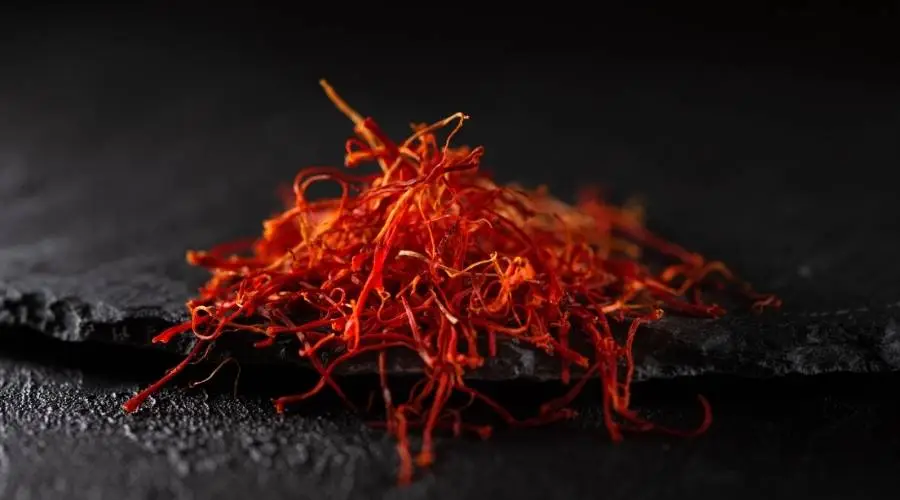
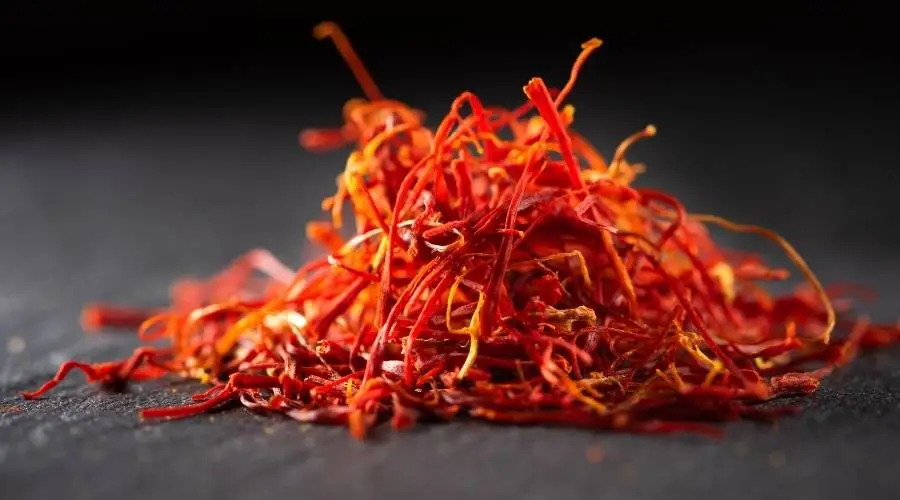
- Varna (color): Deep red-orange threads with minimal yellow or white parts
- Sparsha (touch): Threads should be dry but not brittle, maintaining flexibility
Understanding quality standards ensures therapeutic effectiveness while honoring traditional preparation methods. Proper storage methods preserve both potency and energetic properties according to Ayurvedic principles.
Age and Life Stage Considerations
Bal-avastha (childhood): Generally not recommended except in very small amounts under professional guidance. Yuva-avastha (adulthood): Full therapeutic doses appropriate with constitutional considerations. Vriddha-avastha (elderly): Reduced doses with increased monitoring for sensitivity
Frequently Asked Questions {#faqs}
Q: How does saffron’s tridoshic nature work in Ayurvedic theory? A: Saffron uniquely balances all three doshas through its complex energetic properties. Its sweet taste nourishes Vata, bitter taste cools Pitta, and warming potency stimulates Kapha. This rare combination allows saffron to harmonize constitutional imbalances without creating new ones – a quality that makes it suitable for all body types when used appropriately.
Q: What makes saffron different from other Ayurvedic herbs for mental health? A: Saffron is classified as both Medhya (brain tonic) and Rasayana (rejuvenative), meaning it not only treats current mental-emotional imbalances but also builds long-term resilience. Unlike herbs that primarily sedate or stimulate, saffron enhances Sattva (mental clarity) while reducing both Rajas (mental agitation) and Tamas (mental lethargy).
Q: Can saffron be combined with other Ayurvedic herbs safely? A: Yes, saffron combines well with many traditional herbs when prescribed appropriately. Common combinations include saffron with Brahmi for cognitive enhancement, with Ashwagandha for stress management, and with Shatavari for women’s health. However, combinations should be formulated by qualified practitioners considering individual constitution and specific health needs.
Q: How long does it take to see benefits from Ayurvedic saffron therapy? A: Ayurveda recognizes different timelines for various conditions. Acute symptoms like mood imbalances may improve within 2-4 weeks (one Paksha), while chronic constitutional imbalances often require 2-3 months (one Ritu/season) of consistent treatment. Rasayana (rejuvenative) effects for longevity and vitality typically develop over 6-12 months of regular use.
Q: What role does saffron play in Ayurvedic seasonal routines (Ritucharya)? A: Saffron’s warming potency makes it particularly valuable during Shishira (late winter) and Vasanta (spring) seasons for supporting metabolism and clearing accumulated Kapha. During Grishma (summer), smaller amounts of cooling preparations help balance Pitta without overheating. Autumn use supports Vata balance during seasonal transitions.
Q: How do I determine the right saffron dosage for my Ayurvedic constitution? A: Proper Ayurvedic dosing requires professional assessment of your Prakriti (natural constitution), Vikriti (current imbalances), Agni (digestive strength), and specific therapeutic goals. While general guidelines exist, individualized treatment considers factors like age, season, lifestyle, and concurrent conditions. Consultation with a qualified Ayurvedic practitioner ensures safe, effective dosing.
🔑 Key Takeaways
- Unique tridoshic harmony: Saffron is one of the rare herbs that can balance all three doshas (Vata, Pitta, Kapha) simultaneously, making it suitable for all constitutional types when used appropriately
- Ancient wisdom validated: Modern research confirms traditional Ayurvedic applications for mood disorders, women’s health, skin conditions, and cognitive support through identified biochemical mechanisms.
- Holistic healing approach: Ayurvedic use of saffron addresses root causes rather than just symptoms, working at physical, mental, emotional, and spiritual levels simultaneously
- Quality determines effectiveness: Authentic, properly processed saffron following traditional quality standards ensures therapeutic benefits and honors ancient preparation wisdom.m
- Individual constitution matters: Proper Ayurvedic application requires understanding personal constitution, current imbalances, and specific therapeutic goals rather than standardized dosing.
- Professional guidance essential: While generally safe, optimal benefits and safety require a qualified Ayurvedic assessment considering individual factors and potential herb-drug interactions
Transform your wellness journey with saffron’s ancient Ayurvedic wisdom – embracing the golden threads that connect physical vitality, mental clarity, emotional balance, and spiritual awareness in perfect harmony.