
📌 Quick Answer: Saffron is toxic to dogs and cats due to compounds like crocin, safranal, and picrocrocin that can cause vomiting, diarrhea, tremors, and seizures. Even small amounts can be dangerous. Keep all saffron-containing foods away from pets and contact a veterinarian immediately if ingestion occurs.
Saffron is a unique and luxurious spice commonly used in Mediterranean, Middle Eastern, and Persian cooking. Understanding what saffron is reveals why it’s derived from the delicate stigmas of Crocus sativus flowers and prized for adding distinct flavor, color, and aroma to various dishes such as rice, stews, and desserts. While humans have enjoyed saffron’s health benefits for centuries, the question of pet safety requires urgent attention.
As more pet owners become interested in exploring new ingredients in their cooking, critical questions arise about the potential dangers of saffron for dogs and cats. Can this golden spice that enhances human meals also promote pet health, or does it pose serious risks? The answer is unequivocally clear: saffron is toxic to pets and should be kept away from dogs and cats at all times.
Veterinary Expert Warning: Saffron contains bioactive compounds that are therapeutic for humans but toxic to pets. Even small amounts can cause serious health complications in dogs and cats due to their different metabolic processes and body chemistry.
This comprehensive guide clarifies the risks, provides emergency protocols, and debunks misconceptions surrounding saffron and its dangerous impact on pets.
Understanding Saffron: The World’s Most Expensive Spice
Botanical Origins and Composition
Saffron originates from the Crocus sativus flower, requiring intensive hand-harvesting of delicate stigmas. Saffron cultivation demands thousands of flowers to produce just one gram of this precious spice, making it the world’s most expensive spice by weight.
Key Bioactive Compounds:
- Crocin: Responsible for saffron’s vibrant golden color and potent biological activity
- Safranal: Creates the distinctive honey-hay aroma and affects nervous system function
- Picrocrocin: Provides the subtle bitter taste and influences cellular metabolism
- Kaempferol: A Flavonoid compound with antioxidant properties in humans
Unique Sensory Characteristics
Flavor Profile: Saffron delivers a subtle earthy taste with hints of sweetness and lingering bitterness—a complexity that makes it irreplaceable in cuisine but potentially overwhelming to pets’ sensitive systems.
Aromatic Properties: The strong floral scent reminiscent of honey and hay comes from volatile compounds that can affect animal nervous systems differently than humans.
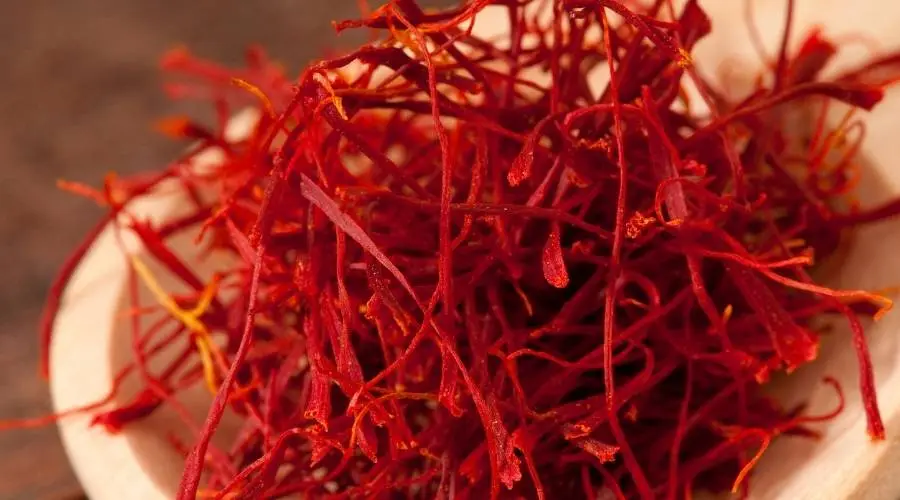
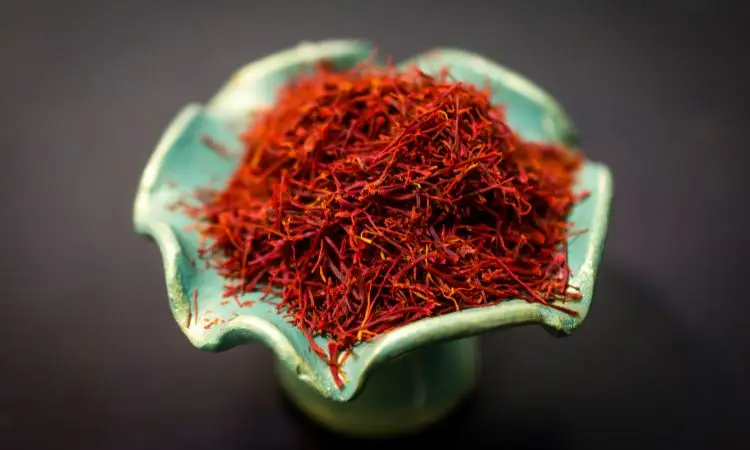
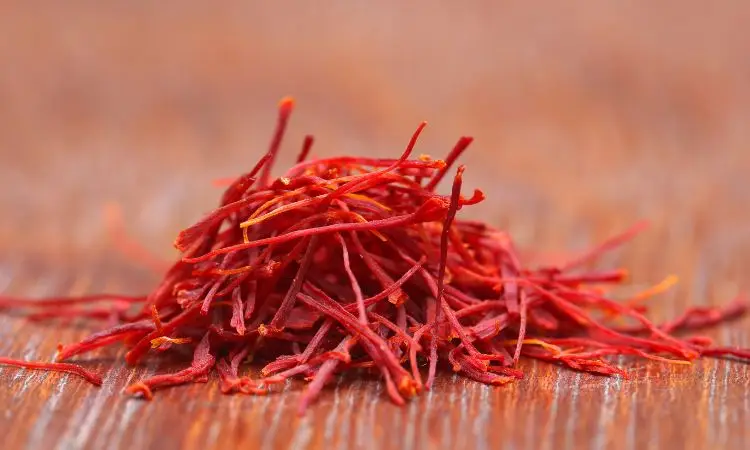
Visual Impact: Rich golden-yellow coloration makes saffron-containing foods easily identifiable, helping pet owners recognize potentially dangerous dishes.
Global Culinary Applications
Mediterranean Cuisine:
- Saffron rice dishes, including Spanish paella and Italian risotto
- French bouillabaisse and other seafood preparations
- Various bread and pastry applications
Middle Eastern Delicacies:
- Aromatic biryani and pilaf preparations
- Grilled kebabs with saffron marinades
- Complex tagine stews and sauce preparations
- Sweet dessert applications in baklava and other pastries
Persian Specialties: Persian saffron cuisine features prominently in:
- Zereshk polo (barberry rice) with golden saffron threads
- Tahdig with its signature crispy, golden crust
- Ashe-E-Reshteh noodle soup with complex herb combinations
Health Benefits for Humans: While saffron’s antioxidant properties and potential mood-enhancing effects benefit human health, these same compounds create toxicity risks for pets.
Why Saffron Is Dangerous for Dogs
Toxic Compound Mechanisms
Saffron poses significant toxicity risks to dogs due to bioactive compounds that affect canine physiology differently than human systems. Understanding these mechanisms helps pet owners recognize the severity of potential exposure.
Crocin Toxicity in Dogs:
- Causes severe gastrointestinal inflammation and bleeding
- Interferes with normal cellular metabolism and energy production
- Can lead to liver dysfunction and metabolic acidosis
- Affects red blood cell integrity, potentially causing anemia
Safranal Effects on the Canine Nervous System:
- Disrupts normal neurotransmitter function and signal transmission
- Can cause central nervous system depression or overstimulation
- Affects coordination, balance, and cognitive function
- May trigger seizure activity in sensitive dogs
Picrocrocin Impact on Digestive System:
- Irritates the stomach lining and intestinal walls
- Causes severe nausea, vomiting, and diarrhea
- Can lead to dehydration and electrolyte imbalances
- May cause intestinal bleeding in severe cases
Clinical Symptoms of Saffron Poisoning in Dogs
Early Symptoms (Within 30 minutes to 2 hours):
- Gastrointestinal distress: Vomiting, often projectile and containing food particles or bile
- Diarrhea: Ranging from loose stools to severe, bloody diarrhea
- Excessive drooling: Indicating oral and throat irritation
- Loss of appetite: Complete refusal of food and treats
Moderate Symptoms (2-6 hours post-ingestion):
- Behavioral changes: Restlessness, pacing, inability to settle
- Lethargy: Unusual tiredness and lack of response to stimuli
- Abdominal pain: Hunched posture, reluctance to move, whimpering
- Increased thirst: Attempts to drink excessive amounts of water
Severe Symptoms (6-24 hours post-ingestion):
- Tremors: Muscle shaking, particularly in legs and head
- Seizures: Convulsions requiring immediate emergency treatment
- Difficulty breathing: Rapid or labored breathing patterns
- Collapse: Inability to stand or maintain normal posture
Dosage Thresholds and Risk Factors
Toxic Dose Ranges for Dogs:
- Small dogs (under 25 lbs): As little as 0.1-0.5g of saffron can cause symptoms
- Medium dogs (25-60 lbs): 0.5-1.0g may produce moderate to severe symptoms
- Large dogs (over 60 lbs): 1.0-2.0g can still cause significant toxicity
Risk Amplification Factors:
- Age: Puppies and senior dogs show increased sensitivity
- Health status: Dogs with liver, kidney, or heart conditions face higher risks
- Concurrent medications: Some drugs may increase saffron toxicity
- Individual sensitivity: Some dogs react severely to minimal exposure
Saffron Toxicity in Cats: Enhanced Risks
Feline-Specific Vulnerabilities
Cats face even greater risks from saffron exposure due to their unique metabolic characteristics and increased sensitivity to many plant compounds.
Metabolic Differences:
- Limited detoxification capacity: Cats lack certain liver enzymes for processing plant toxins
- Slower elimination: Extended toxin exposure due to reduced clearance rates
- Higher concentration effects: Smaller body size leads to higher toxin concentrations
- Increased absorption: Cats may absorb higher percentages of ingested compounds
Clinical Manifestations in Cats
Acute Symptoms (Within 1-3 hours):
- Immediate vomiting: Often more severe and persistent than in dogs
- Severe diarrhea: Frequently containing blood or mucus
- Hypersalivation: Excessive drooling, indicating oral irritation
- Hiding behavior: Seeking dark, quiet spaces due to discomfort
Progressive Symptoms (3-12 hours):
- Neurological signs: Disorientation, loss of coordination, abnormal gait
- Temperature changes: Fever or hypothermia, depending on toxin load
- Breathing difficulties: Rapid, shallow breathing or panting (unusual for cats)
- Dehydration: Sunken eyes, dry gums, skin tenting
Critical Symptoms (12-24 hours):
- Seizure activity: More common in cats than in dogs with saffron toxicity
- Liver dysfunction: Jaundice (yellow tinge to gums and eyes)
- Kidney problems: Reduced urination or blood in urine
- Cardiovascular effects: Irregular heart rate, weak pulse
Special Considerations for Cats
Heightened Sensitivity Factors:
- Grooming behavior: Cats may ingest saffron by licking contaminated fur
- Curious nature: More likely to investigate and taste unfamiliar foods
- Stress response: Toxicity symptoms may be masked by stress-related behaviors
- Hidden illness: Cats naturally hide symptoms, delaying treatment
Emergency Response Protocols
Immediate Action Steps
First 5 Minutes:
- Remain calm – Panic can worsen the situation and delay an appropriate response
- Remove access – Immediately remove any saffron-containing food from the pet’s reach
- Assess the situation – Determine approximate amount ingested and time of consumption
- Check for immediate symptoms – Observe breathing, consciousness, and obvious distress
- Prepare for transport – Get the carrier or leash ready for an immediate veterinary visit
Contact Information to Have Ready:
- Primary veterinarian – Regular vet clinic with the pet’s medical history
- Emergency veterinary clinic – 24-hour facility for after-hours emergencies
- Pet Poison Control Hotline – ASPCA: (888) 426-4435 or Pet Poison Helpline: (855) 764-7661
- Pet’s medical information – Age, weight, current medications, health conditions
What NOT to Do
Dangerous Home Remedies to Avoid:
- Never induce vomiting without veterinary guidance – may cause additional trauma
- Don’t give milk or oil – it can increase absorption of fat-soluble toxins
- Avoid salt water – it can cause dangerous electrolyte imbalances
- Don’t wait and see – early intervention significantly improves outcomes
- Never give human medications – many are toxic to pets
Professional Treatment Protocols
Veterinary Assessment Process:
- Complete physical examination focusing on cardiovascular and neurological function
- Blood work analysis to assess liver function, kidney function, and electrolyte balance
- Symptom monitoring with continuous assessment of vital signs
- Treatment planning based on toxin load, symptoms, and individual pet factors
Treatment Options:
- Decontamination procedures may include activated charcoal at the appropriate timing.
- IV fluid therapy to maintain hydration and support kidney function
- Anti-nausea medications to control vomiting and improve comfort
- Seizure control medications if neurological symptoms develop
- Supportive care, including monitoring and symptomatic treatment
Hidden Dangers: Common Saffron Food Combinations
Toxic Ingredient Combinations
Many dishes containing saffron also include other ingredients that are individually toxic to pets, creating compound poisoning risks that can be life-threatening.
Garlic and Onion Toxicity:
- Mechanism: Damages red blood cells, causing hemolytic anemia
- Symptoms: Weakness, pale gums, rapid breathing, collapse
- Risk amplification: Combined with saffron, creates multiple organ stress
- Common dishes: Mediterranean stews, Middle Eastern rice dishes, and sauce preparations
Raisin and Grape Dangers:
- Acute kidney failure can occur with small amounts
- No safe threshold – even tiny amounts can be lethal
- Rapid progression from symptoms to kidney failure
- Common in: Saffron desserts, rice puddings, traditional sweets
Alcohol-Containing Preparations:
- Wine-based sauces and marinades used in saffron dishes
- Fermented ingredients that may contain alcohol
- Cooking wines that concentrate during preparation
- Severe central nervous system depression when combined with saffron toxicity
High-Risk Food Categories
Rice Dishes: While rice itself is safe for pets, saffron rice preparations often contain multiple toxic ingredients, including garlic, onions, and various spices that compound toxicity risks.
Dessert Applications: Saffron-infused desserts frequently contain chocolate, raisins, artificial sweeteners (especially xylitol), and high amounts of sugar—all dangerous for pets.
Meat Preparations: Saffron marinades and rubs for meats often include garlic, onions, high sodium levels, and various spices that can cause additional health problems.
Pet-Safe Herbal Alternatives
Beneficial Herbs for Pet Health
While saffron poses serious risks, several pet-safe herbs can provide similar health benefits without toxicity concerns.
Turmeric for Inflammation:
- Anti-inflammatory properties help manage arthritis and joint pain
- Safe dosage: 1/8 teaspoon per 10 pounds of body weight daily
- Administration: Mixed with food or as a golden paste preparation
- Monitoring: Watch for stomach upset in sensitive pets
Ginger for Digestive Health:
- Natural digestive aid reducing nausea and improving gut function
- Motion sickness relief for car travel and anxiety
- Safe amount: Fresh ginger, 1/4 teaspoon per 10 pounds body weight
- Preparation: Finely minced and mixed with regular food
Parsley for Antioxidants:
- Rich in vitamins A, C, and K, plus folate and iron
- Fresh breath benefits and urinary tract support
- Serving size: 1 teaspoon dried or 1 tablespoon fresh per 20 pounds
- Caution: Use only curly parsley; avoid spring parsley, which is toxic
Rosemary for Circulation:
- Cardiovascular support improves heart health and circulation
- Coat quality improvement through enhanced nutrient delivery
- Conservative dosing: Pinch of dried rosemary per meal
- Benefits: Antioxidant protection and cognitive support
Basil for Anti-inflammatory Effects:
- Natural pain relief for joint discomfort and minor injuries
- Digestive support and appetite stimulation
- Safe preparation: Fresh leaves chopped finely, small amounts
- Additional benefits: Antibacterial and antiviral properties
Chamomile for Calming:
- Stress and anxiety reduction through natural sedative effects
- Digestive soothing for upset stomachs and gastritis
- Preparation: Cooled chamomile tea added to the water bowl
- Monitoring: Some pets may be allergic to chamomile
Professional Guidance for Herbal Supplementation
Veterinary Consultation Requirements:
- Individual assessment of the pet’s health status and needs
- Proper dosing guidance based on weight, age, and condition
- Drug interaction screening with current medications
- Monitoring protocols for effectiveness and side effects
Integration Strategies:
- Gradual introduction to assess tolerance and preferences
- Quality sourcing from reputable suppliers with organic certification
- Proper storage to maintain potency and prevent contamination
- Regular evaluation of benefits and adjustment as needed
Prevention Strategies and Home Safety
Kitchen Safety Protocols
Secure Storage Methods:
- High cabinet storage well out of reach of curious pets
- Airtight containers with secure, pet-proof lids
- Clear labeling to prevent accidental use or access
- Designated spice area separate from pet feeding areas
Cooking Precautions:
- Clean preparation surfaces immediately after saffron use
- Secure trash disposal of saffron-contaminated materials
- Hand washing after handling saffron before petting animals
- Awareness during meal prep to prevent accidental dropping
Education and Awareness
Family Member Training:
- All household members should understand saffron dangers
- Guests and visitors should be informed about pet safety rules
- Children’s education about not sharing human food with pets
- Emergency contact information is easily accessible to all
Recognition Skills:
- Symptom identification training for all family members
- Quick response protocols are practiced and understood
- Emergency contact numbers programmed into all phones
- Pet first aid basics to provide initial supportive care
Understanding Safe Daily Dosages for Humans vs. Pet Toxicity
Human Safety vs. Pet Danger Comparison
While learning how to cook with saffron safely for human consumption involves understanding proper dosages, the same amounts can be lethal for pets.
Human Therapeutic Doses:
- Culinary use: 5-10 threads (0.1-0.2g) per serving
- Therapeutic supplementation: 15-30mg daily
- Maximum safe human dose: 1.5g daily
Pet Toxic Thresholds:
- Small pets: 0.1g can cause symptoms
- Medium pets: 0.5g may cause severe reactions
- Large pets: 1.0g can still be dangerous
This dramatic difference in safety thresholds emphasizes why foods safe for humans can be lethal for pets.
Cross-Contamination Risks
Kitchen Hygiene Importance: Even small amounts of saffron residue from traditional medicine applications or cooking can pose risks to pets through:
- Contaminated cutting boards and utensils
- Residue on hands and clothing
- Spilled particles on floors and surfaces
- Contaminated food storage areas
Long-Term Health Implications
Chronic Exposure Concerns
Repeated Low-Level Exposure:
- Cumulative toxicity can develop with regular, small exposures
- Organ damage may be progressive and irreversible
- Immune system compromise affecting overall health
- Increased sensitivity to other toxins and stressors
Recovery and Prognosis:
- Early treatment significantly improves outcomes
- Complete recovery is possible with prompt veterinary care
- Long-term monitoring may be necessary for organ function
- Prevention focus essential for future pet safety
Conclusion: Prioritizing Pet Safety Above Culinary Exploration
While saffron offers remarkable benefits for human health and culinary experiences, it poses serious and potentially life-threatening risks to dogs and cats. The same bioactive compounds that provide antioxidant benefits and therapeutic effects in humans become toxic agents in pet physiology.
Critical Safety Reminders:
- Zero tolerance policy for saffron access by pets
- Immediate veterinary consultation for any suspected ingestion
- Prevention focus through secure storage and careful handling
- Education emphasis for all household members and visitors
- Safe alternatives available for pets seeking health benefits
Emergency Preparedness:
- Contact information is readily available for veterinary emergency services
- First aid knowledge for initial supportive care
- Transportation preparation for immediate veterinary visits
- Symptom recognition training for early intervention
The responsibility of pet ownership includes protecting our furry companions from hidden dangers in our kitchens and dining areas. While we can enjoy saffron’s culinary and therapeutic benefits, we must ensure our pets remain safe from its toxic effects through vigilant prevention and immediate response when exposure occurs.
Remember: When in doubt, contact your veterinarian immediately. Pet safety should always take precedence over culinary experimentation, and professional medical guidance provides the best protection for our beloved animal companions.
FAQs (Frequently Asked Questions)
Is any amount of saffron safe for dogs or cats to consume?
No, there is no safe amount of saffron for pets. Even small quantities can cause toxicity symptoms in dogs and cats due to their different metabolic processes. The toxic compounds crocin, safranal, and picrocrocin can cause serious health problems even in minimal amounts, especially for small pets.
What should I do immediately if my pet accidentally eats saffron?
Contact your veterinarian or pet poison control immediately—don’t wait for symptoms to appear. Remove any remaining saffron from your pet’s reach, note the approximate amount consumed and time of ingestion, and prepare to transport your pet for emergency treatment. Never induce vomiting or give home remedies without professional guidance.
How quickly do saffron poisoning symptoms appear in pets?
Symptoms typically begin within 30 minutes to 2 hours after ingestion, starting with gastrointestinal signs like vomiting and diarrhea. More severe symptoms, including tremors, seizures, and neurological effects, may develop 6-24 hours later. Early intervention significantly improves treatment outcomes.
Can I use saffron in cooking if I have pets in the house?
Yes, but with extreme caution. Store saffron securely in high cabinets with pet-proof containers, clean all surfaces thoroughly after use, and never leave saffron-containing foods unattended. Ensure all family members understand the risk and have emergency veterinary contacts readily available.
What are safe herbal alternatives to saffron that provide health benefits for pets?
Safe alternatives include turmeric (anti-inflammatory), ginger (digestive aid), parsley (antioxidants), rosemary (circulation support), basil (anti-inflammatory), and chamomile (calming effects). Always consult your veterinarian before introducing any herbs to ensure proper dosing and safety for your pet’s specific health needs.
Are there other common spices or ingredients I should avoid giving my pets?
Yes, many common cooking ingredients are toxic to pets,g garlic, onions, chocolate, grapes, raisins, xylitol (artificial sweetener), macadamia nuts, and alcohol. Always research any human food before sharing it with pets, and maintain a strict policy of keeping pets away from seasoned or prepared human foods.
How can I pet-proof my kitchen to prevent accidental saffron exposure?
Store saffron in high, secure cabinets with pet-proof latches, use airtight containers with tight-fitting lids, clean all surfaces immediately after cooking with saffron, secure trash cans containing saffron waste, and educate all household members about the dangers. Consider designating a pet-free zone during cooking with potentially toxic ingredients.