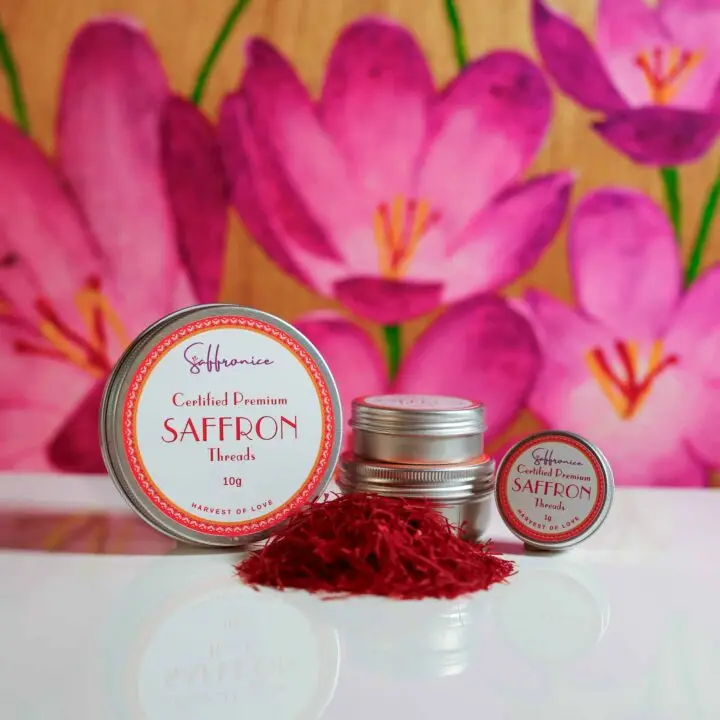

Saffron, the world’s most precious spice, is renowned for its distinct aroma, vibrant color, and exceptional flavor. However, maintaining the potency and quality of this valuable commodity requires careful attention and specialized knowledge. As saffron enthusiasts and connoisseurs, we understand the importance of preserving the spice’s essential properties to ensure optimal culinary performance and versatility.
This comprehensive guide explores strategies and techniques to help you safeguard your saffron’s potency, enabling you to enjoy its full culinary potential. From understanding chemical composition and quality indicators to implementing effective storage methods, this article equips you with the knowledge and tools needed to maintain saffron’s integrity.
📌 Quick Answer: Store saffron at 50-70°F in airtight, opaque containers away from light and moisture. Use desiccants for humidity control, monitor for color fading or aroma loss, and follow professional storage techniques for maximum potency retention.
🔑 Key Takeaways:
- Understand the chemical composition and economic importance of high-quality saffron
- Discover optimal temperature, light, and humidity conditions for storage
- Learn techniques to prevent deterioration and maintain potency
- Identify proper storage containers and packaging solutions
- Master industry-standard preservation methods
Understanding Premium Saffron’s Value and Properties
Saffron’s unique properties result from its complex chemical composition and careful cultivation and processing methods employed by dedicated producers. Understanding these characteristics is crucial for maintaining saffron quality standards throughout storage and use.
Chef’s Professional Tip: During my culinary career, I’ve learned that saffron’s potency directly correlates with proper storage conditions. Even brief exposure to unfavorable environments can permanently damage this precious spice’s essential compounds.
Food Scientist’s Note: Saffron’s bioactive compounds—crocin, picrocrocin, and safranal—are extremely sensitive to environmental factors. Understanding their stability helps optimize preservation strategies for maximum potency retention.
Chemical Composition of High-Quality Saffron
Premium saffron is characterized by high concentrations of bioactive compounds that impart a signature flavor, aroma, and color. These compounds also contribute to potential health benefits, making saffron highly sought-after in global markets.
Key Bioactive Compounds:
- Crocin – responsible for vibrant color and antioxidant properties
- Picrocrocin – provides a distinctive bitter-sweet taste
- Safranal – creates a characteristic honey-like aroma
Quality Indicators and Assessment
Saffron potency can be assessed through several key indicators that professional storage methods are designed to preserve:
- Aroma intensity: Strong, distinctive fragrance indicates high quality
- Color intensity: Deep, vibrant red hues signify higher crocin concentration
- Flavor profile: Balance of sweet, bitter, and earthy notes with lingering aftertaste
Economic Importance of Quality Maintenance
The global saffron industry represents a multimillion-dollar market where quality assurance proves crucial for producers and consumers. Maintaining compound integrity ensures a consistent, reliable supply meeting the demands of chefs, health enthusiasts, and discerning customers worldwide.
Optimal Temperature Conditions for Storage
Temperature control forms the foundation of effective saffron preservation. Proper container types for saffron work synergistically with temperature management to maintain potency.
Recommended Temperature Range
Saffron storage experts recommend maintaining consistent temperatures between 50-70°F (10-21°C). This range preserves delicate chemical compound balance while ensuring distinctive flavor, color, and medicinal properties remain intact.
Temperature Impact on Quality
| Temperature Range | Impact on Saffron Quality |
|---|---|
| 50-70°F (10-21°C) | Optimal for maintaining potency and freshness |
| Below 50°F (10°C) | Potential structural damage and thread integrity loss |
| Above 70°F (21°C) | Accelerated volatile oil and aromatic compound loss |
Understanding proper temperature storage requirements prevents quality degradation from heat or cold exposure.
Temperature Fluctuation Prevention
Extreme temperature exposure, whether hot or cold, causes rapid deterioration. High temperatures evaporate volatile oils and aromatic compounds, while freezing damages delicate threads and compromises structural integrity.
Professional preservation tips emphasize consistent temperature maintenance over achieving perfect conditions.
Light Exposure Management and Protection
Light exposure significantly impacts saffron quality, particularly affecting color strength and vibrancy. Understanding photodegradation helps implement effective protection strategies.
UV Ray Protection Methods
Effective UV protection preserves color vibrancy and quality assurance through various approaches:
- Opaque containers: Block harmful UV rays completely
- Dark storage locations: Minimize ambient light exposure
- UV-resistant materials: Specialized packaging with protective coatings
Container Selection for Light Protection
Choose storage containers that provide comprehensive light exposure protection:
Optimal Materials:
- Amber or dark-colored glass containers
- Opaque plastic or metal containers
- Vacuum-sealed pouches with light barriers
Signs of Light Damage
Monitor saffron regularly for light-induced deterioration indicators:
- Faded, dull, or discolored appearance
- Diminished aroma and flavor intensity
- Altered chemical composition and reduced potency
Humidity Control for Preservation
Maintaining optimal humidity levels prevents both moisture damage and excessive drying. Professional moisture protection techniques ensure ideal storage environments.
Humidity Control Methods
Desiccant Packets: Silica-based pouches absorb excess moisture, creating dry environments that protect delicate compounds.
Hygrometers: Devices that monitor and regulate humidity levels, enabling informed storage adjustments.
Dehumidifiers: For large-scale storage, these appliances actively remove excess moisture while maintaining optimal conditions.
| Method | Effectiveness | Ease of Use | Cost |
|---|---|---|---|
| Desiccant Packets | High | Easy | Low |
| Hygrometers | High | Moderate | Moderate |
| Dehumidifiers | Excellent | Moderate | High |
Optimal Humidity Range
Maintain humidity levels between 50-70% for optimal preservation. Levels below 50% cause brittleness, while levels above 70% promote mold growth and compound degradation.
Storage Container Selection and Materials
Container selection significantly impacts potency maintenance and long-term storage success. Understanding material properties helps optimize preservation outcomes.
Material Considerations
Glass Containers: Provide inert storage environments that don’t interact with saffron compounds. Amber or dark glass offers additional light protection.
Food-Grade Plastic: High-quality options provide adequate protection while offering portability and durability advantages.
Metal Containers: Stainless steel or tin containers offer excellent light and air barriers with proper sealing mechanisms.
Size and Portability Factors
Container size should match storage needs and usage patterns:
- Small containers: Minimize air exposure during frequent access
- Large containers: Suitable for bulk storage with minimal handling
- Portability: Consider transportation needs for consistent preservation
Airtight Sealing Requirements
Effective sealing prevents oxidation and preserves delicate aromas. Look for containers with secure lids providing complete barriers against air, moisture, and odors.
Professional Storage Techniques
Industry professionals employ specialized methods to maintain commercial-grade saffron quality throughout extended storage periods.
Commercial Storage Solutions
Large-scale merchants utilize controlled-environment facilities with precise temperature and humidity regulation. Advanced monitoring systems maintain optimal conditions while protecting delicate chemical composition and aroma.
Industry Standards and Protocols
Professional storage follows rigorous guidelines encompassing proper handling, packaging, and storage protocols. These industry-approved practices ensure saffron retains coveted potency while meeting exacting customer demands.
Quality Monitoring Systems
Professional operations implement regular quality assessments using standardized testing procedures to verify potency maintenance and identify potential deterioration early.
Quality Deterioration Signs and Prevention
Understanding deterioration indicators enables proactive intervention before complete quality loss. Learning to recognize spoilage signs protects your saffron investment.
Primary Quality Indicators
Color Assessment: Vibrant, deep red-orange coloration indicates freshness. Fading or discoloration signals potency loss requiring attention.
Aroma Evaluation: Strong, characteristic fragrance demonstrates quality maintenance. Diminished or altered scents suggest compound degradation.
Texture Analysis: Pliable, supple threads indicate proper storage. Brittle, dry, or crumbly texture suggests unfavorable storage conditions or aging.
| Quality Factor | Ideal Condition | Deterioration Signs |
|---|---|---|
| Color | Vibrant, deep red-orange | Faded, discolored |
| Aroma | Distinctive, strong fragrance | Diminished or altered scent |
| Texture | Pliable, supple threads | Brittle, dry, crumbly |
Prevention Strategies
Implement comprehensive protection measures addressing all deterioration factors:
- Temperature stability maintenance
- Light exposure elimination
- Humidity level optimization
- Air exposure minimization
Expert Storage Recommendations
Chef’s Wisdom: Treat saffron storage like protecting fine wine—consistent conditions preserve exceptional qualities. Quality sourcing from reputable suppliers combined with proper storage creates lasting culinary value.
Food Scientist’s Advice: Document storage conditions and monitor quality indicators regularly. This data helps optimize preservation strategies while ensuring consistent potency maintenance throughout storage periods.
Conclusion
Maintaining saffron potency requires a comprehensive understanding of environmental factors affecting quality and implementing professional storage techniques. By controlling temperature, light, humidity, and air exposure while using appropriate containers, you can preserve saffron’s exceptional properties for extended periods.
Remember that effective preservation begins with quality sourcing and continues through every aspect of storage management. Whether storing small quantities for home use or managing commercial inventories, consistent application of these techniques ensures your saffron maintains its remarkable characteristics and delivers exceptional culinary experiences.
By following these professional guidelines and maintaining vigilant quality monitoring, you can maximize the value and longevity of your saffron investment while ensuring optimal performance in every culinary application.
Frequently Asked Questions
How can I ensure perfect saffron potency maintenance? Follow proper storage techniques, including temperature control (50-70°F), light protection using opaque containers, humidity management with desiccants, and airtight packaging to prevent oxidation.
What are the key indicators of saffron potency? Saffron potency is determined by chemical composition, particularly crocin, picrocrocin, and safranal concentrations. These compounds create vibrant color, distinct flavor, and characteristic aroma.
What is the optimal temperature range for storing saffron? Store saffron between 50-70°F (10-21°C) in consistent conditions. Extreme temperatures cause compound degradation and structural damage to delicate threads.
How does light exposure affect saffron quality? Prolonged light exposure, especially UV rays, causes color fading and aroma deterioration. Store in opaque containers away from direct sunlight for optimal preservation.
What are the best humidity control methods for saffron preservation? Maintain 50-70% humidity using desiccant packets, hygrometers for monitoring, or dehumidifiers for large-scale storage. Proper humidity prevents mold growth and brittleness.
What are the best storage containers for saffron? Use airtight, opaque containers made from glass, ceramic, or food-grade plastic. Avoid transparent or metal containers that may react with saffron compounds.
What are the signs of deteriorating saffron quality? Watch for fading color, diminished aroma, and brittle texture. Fresh saffron maintains a vibrant red-orange hue, a strong fragrance, and pliable threads.
How do professional merchants store saffron? Commercial operations use temperature-controlled facilities, humidity regulation systems, specialized packaging, and regular quality monitoring to maintain optimal conditions.