
Saffron, the world’s most expensive spice, is a delicate and precious ingredient that demands meticulous care when it comes to storage. Properly identifying signs of saffron spoilage is crucial to preserving its quality, flavor, and economic value. As custodians of this culinary treasure, we must be vigilant in monitoring our saffron’s condition to ensure it retains its vibrant hues, captivating aroma, and unparalleled taste.
This comprehensive guide explores the various telltale signs of saffron spoilage, arming you with knowledge to assess freshness and quality, whether you’re a professional chef, home cook, or saffron enthusiast. By mastering saffron storage and quality assessment, you’ll unlock the full potential of this extraordinary spice.
📌 Quick Answer: Watch for faded color (should be deep red), weak aroma (should be floral and honey-like), brittle texture (should be pliable), and any mold presence. Fresh saffron releases vibrant color in water and maintains potent fragrance.
🔑 Key Takeaways:
- Recognize visual, olfactory, and textural spoilage cues
- Understand proper storage conditions for quality preservation
- Identify environmental factors’ impact on color, aroma, and composition
- Learn effective long-term storage techniques
- Master home testing methods for freshness assessment
Understanding Saffron’s Value and Vulnerability
Saffron, derived from the delicate Crocus sativus flower, is renowned for its vibrant color, distinctive aroma, and unparalleled culinary prowess. However, this coveted spice is highly susceptible to spoilage, making proper storage and handling crucial for preserving its exceptional qualities.
Chef’s Professional Tip: In my culinary experience, I’ve learned that even brief exposure to improper conditions can permanently damage saffron’s delicate compounds. Always prioritize quality assessment before using stored saffron.
Food Scientist’s Note: Saffron’s bioactive compounds—crocin, picrocrocin, and safranal—are extremely volatile and sensitive to environmental factors. Understanding their degradation patterns helps identify spoilage early.
Why Saffron Quality Matters
Saffron’s complex flavor profile and ability to impart a distinctive hue make it prized in cuisines worldwide. Maintaining saffron quality standards ensures the spice delivers desired sensory experiences and culinary impact.
Economic Impact of Spoiled Saffron
As one of the world’s most expensive spices, saffron’s value directly correlates to quality. Deterioration due to improper storage causes significant financial losses for producers, distributors, and consumers. Effective spoilage prevention strategies prove crucial for preserving economic viability.
Common Storage Mistakes to Avoid
Critical errors that accelerate spoilage include:
- Heat exposure – degrades delicate compounds rapidly
- Humid environments promote mold and bacterial growth
- Improper packaging – allows air and moisture penetration
- Extended storage – beyond optimal shelf life periods
Understanding proper saffron storage methods prevents these costly mistakes.
Essential Spoilage Signs to Watch For
Identifying spoilage indicators enables timely intervention before complete quality loss occurs.
Color Changes: Primary Visual Indicator
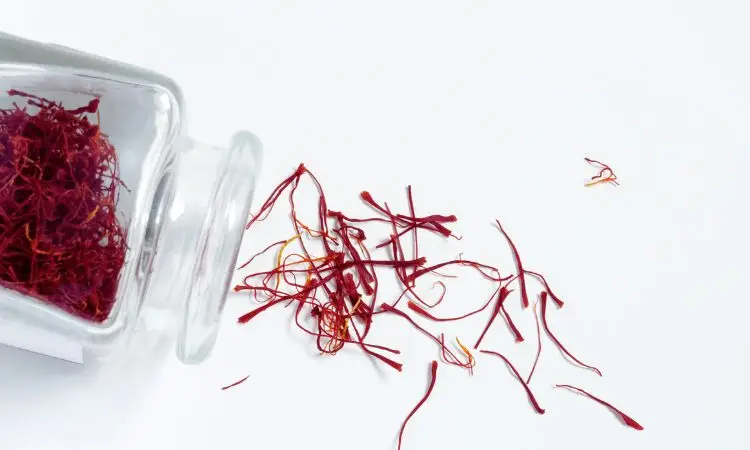
Fresh, high-quality saffron displays deep, vibrant red coloration. Faded, dull, or discolored threads indicate degradation. Saffron exposed to excessive light or moisture may develop brownish tints, signaling compromised quality and reduced saffron coloring strength.
Aroma Deterioration
Saffron’s distinctive, floral, slightly pungent scent represents a quality hallmark. Muted or off-putting aromas indicate lost potency requiring disposal. Fresh saffron should maintain its characteristic aroma and flavor profile throughout storage.
Textural Changes
Fresh saffron threads remain supple and slightly moist. Spoiled saffron becomes brittle, dry, and crumbly, indicating moisture loss and compound degradation.
Critical Warning Signs
Immediate disposal indicators:
- Faded or discolored threads
- Muted or unpleasant aroma
- Brittle, crumbly texture
- Visible mold or insect infestations
Professional container types for saffron help prevent these deterioration signs through proper environmental control.
Proper Storage Conditions for Prevention
Maintaining optimal environmental conditions prevents spoilage and extends saffron’s usable life significantly.
Optimal Temperature Requirements
Saffron thrives in cool, dry environments. Ideal storage temperatures range between 50-68°F (10-20°C). Even brief high-temperature exposure rapidly degrades delicate compounds, causing flavor and aroma loss.
Humidity Control Measures
Excess humidity promotes mold and mildew growth, rendering saffron unfit for consumption. Optimal humidity ranges between 40-60%. Airtight containers and desiccant packs maintain ideal moisture levels while protecting from environmental humidity.
Light Exposure Management
Saffron’s vibrant color and complex aroma are light-sensitive. Direct sunlight or intense artificial lighting causes fading and potency loss. Dark storage locations like pantries or cabinets preserve visual appeal and aromatic qualities.
| Storage Factor | Optimal Range | Impact on Quality |
|---|---|---|
| Temperature | 50-68°F (10-20°C) | Maintains compounds |
| Humidity | 40-60% | Prevents mold growth |
| Light | Cool, dark places | Preserves color/aroma |
Following established saffron preservation tips ensures optimal storage conditions throughout the spice’s lifecycle.
Visual Quality Assessment Techniques
Visual inspection provides immediate quality insights without requiring specialized equipment.
Color Intensity Evaluation
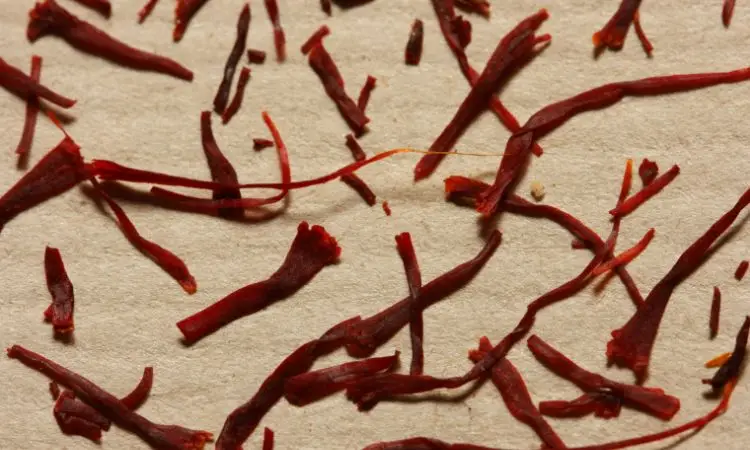
Fresh saffron exhibits rich, deep red-orange hues with vibrant intensity. Faded or discolored threads indicate age or improper storage, compromising potency and aroma. Quality assessment requires examining:
- Thread uniformity – consistent coloration throughout
- Absence of foreign matter – no plant fibers or impurities
- Overall presentation – lustrous sheen without discoloration
Thread Integrity Analysis
High-quality saffron maintains structural integrity with minimal breakage. Examine threads for:
- Consistent thickness and length
- Flexibility without brittleness
- Absence of excessive fragments or powder
Understanding these saffron freshness indicators enables accurate quality assessment before use.
Aroma Profile Changes During Storage
Saffron’s distinctive scent provides valuable freshness insights as it undergoes predictable changes during storage.
Fresh vs. Deteriorated Characteristics
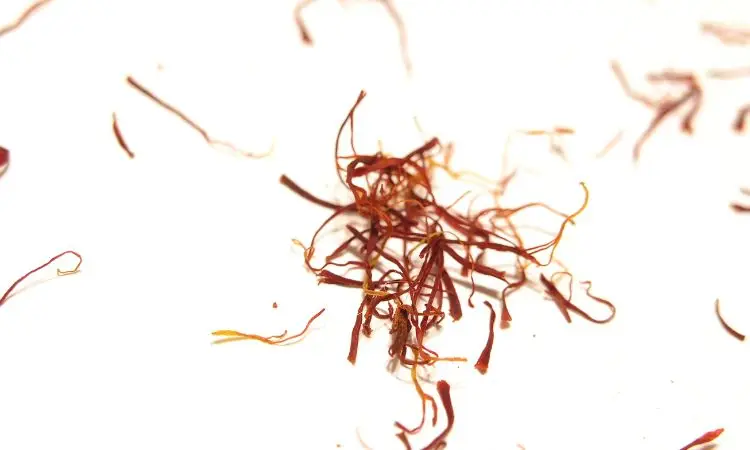
Fresh saffron emanates an ich, floral fragrance with honey and hay undertones. This complex aroma results from volatile compounds working harmoniously. Environmental exposure causes degradation, leading to diminished or unpleasant scents.
Chemical Changes During Storage
Safranal and picrocrocin compounds primarily influence saffron’s aroma. During storage, these undergo oxidation and hydrolysis reactions, altering molecular structure and overall scent profile.
Environmental Impact Factors
- Temperature – accelerates aromatic compound breakdown
- Humidity – promotes microorganism growth, affecting fragrance
- Light – triggers photochemical reaction, causing aroma fade
Understanding these factors helps optimize storage conditions and maintain saffron shelf life.
Home Testing Methods for Freshness
Simple techniques enable quality assessment without professional equipment.
Sensory Evaluation Protocol
Visual Inspection: Fresh saffron displays vibrant, deep red-orange ccolorationfadeded or dull appearance indicates deterioration.
Texture Assessment: Gently rub threads between fingers. Fresh saffron feels pliable and flexible, not brittle or dry.
Aroma Evaluation: Fresh saffron produces a potent, floral fragrance immediately noticeable upon opening containers.
The Water Test
Place small saffron pinches in clear water glasses. Fresh saffron quickly releases vibrant color, turning water rich yellow-orange. Deteriorated saffron sinks without dispersing or fails to impart color.
| Quality Indicator | Fresh Saffron | Deteriorated Saffron |
|---|---|---|
| Color | Deep red-orange | Faded, dull |
| Texture | Pliable, flexible | Brittle, dry |
| Aroma | Potent, floral | Weak or absent |
| Water Response | Quick color release | Poor dispersion |
These testing methods complement proper sourcing from reputable suppliers to ensure quality.
Best Practices for Long-term Storage
Implementing comprehensive storage strategies maximizes saffron’s preservation and extends usable life.
Container Selection Guidelines
Choose airtight, opaque containers made from glass, ceramic, or food-grade plastic. Avoid clear containers that expose saffron to light degradation. Metal containers may react with compounds, compromising flavor.
Storage Location Considerations
Ideal locations remain cool, dry, and dark with minimal temperature fluctuations. Pantries, cupboards, or refrigerators provide necessary environmental conditions. Avoid direct sunlight or heat source exposure.
Advanced Preservation Techniques
Vacuum Sealing: Removes air, slowing oxidation and maintaining freshness longer.
Vacuum Sealing: Removes air, slowing oxidation and maintaining freshness longer.
Desiccant Packs: Small packets regulate humidity and prevent moisture buildup, leading to mold and spoilage.
Freezing Options: Long-term storage in airtight containers, though this may slightly impact aroma and flavor profiles over time.
Professional saffron long-term storage techniques ensure optimal preservation for extended periods.
Impact of Air Exposure on Quality
Air exposure represents one of the primary threats to saffron quality, causing oxidative damage to delicate compounds.
Oxidation Process
Saffron’s interaction with oxygen triggers chemical changes affecting flavor longevity and potency. Volatile compounds responsible for distinctive taste and aroma prove particularly susceptible to oxidative degradation when exposed to air, heat, and light.
Prevention Strategies
Airtight containers made from glass or metal provide optimal protection from oxygen exposure. Minimizing air contact preserves flavor profiles and ensures continued culinary excellence for extended periods.
Combined with proper temperature and humidity control, these protective measures significantly enhance shelf life while preventing premature deterioration.
Expert Storage Recommendations
Chef’s Wisdom: Treat saffron like fine wine – consistent conditions preserve exceptional qualities. Quality sourcing combined with proper storage creates lasting culinary value.
Food Scientist’s Advice: Document storage conditions and monitor quality indicators regularly. This data helps optimize preservation strategies and ensures you’re always cooking with saffron at peak quality.
Conclusion
Mastering saffron spoilage identification protects this precious investment while ensuring optimal culinary experiences. By understanding visual, aromatic, and textural indicators, you can assess quality accurately and make informed decisions about usage or disposal.
Proper storage conditions – controlling temperature, humidity, and light exposure – prevent most spoilage issues while extending usable life significantly. Regular quality assessments using home testing methods enable early detection of deterioration before complete quality loss occurs.
Remember that effective preservation begins with quality sourcing and continues through every aspect of storage management. Whether storing small quantities for home use or managing larger inventories, consistent application of these techniques ensures your saffron maintains its exceptional qualities for extended periods.
Frequently Asked Questions
How can I tell if my saffron has gone bad? Key spoilage signs include faded color, loss of aroma, and texture changes. Saffron threads appearing dull, lacking vibrancy, or having musty scents indicate deterioration.
Why is maintaining saffron quality so important? Saffron’s extreme value and delicate nature make quality preservation crucial. Spoiled saffron diminishes flavor, aroma, and color while causing significant economic losses.
What are common storage mistakes that accelerate spoilage? Exposing saffron to excessive heat, humidity, or light, plus using permeable containers allowing air exposure, accelerates deterioration and shortens shelf life.
What visual indicators show high-quality saffron? Fresh saffron displays a deep, vibrant red-orange color with uniform thread thickness and no discoloration or blemishes. Threads should remain flexible and unbroken.
How does saffron’s aroma change as it ages? Fresh saffron has a potent, floral-hay-like scent. Aging causes muted aromas with musty or earthy notes, indicating volatile compound loss and quality decline.
How long can saffron be stored before deteriorating? Properly stored saffron maintains quality for 1-2 years. Storage conditions, container type, and air exposure significantly affect shelf life.
Can I test saffron’s freshness at home? Simple tests include evaluating color, aroma, and texture. The water test – dissolving small amounts to observe color intensity – provides additional quality insights.