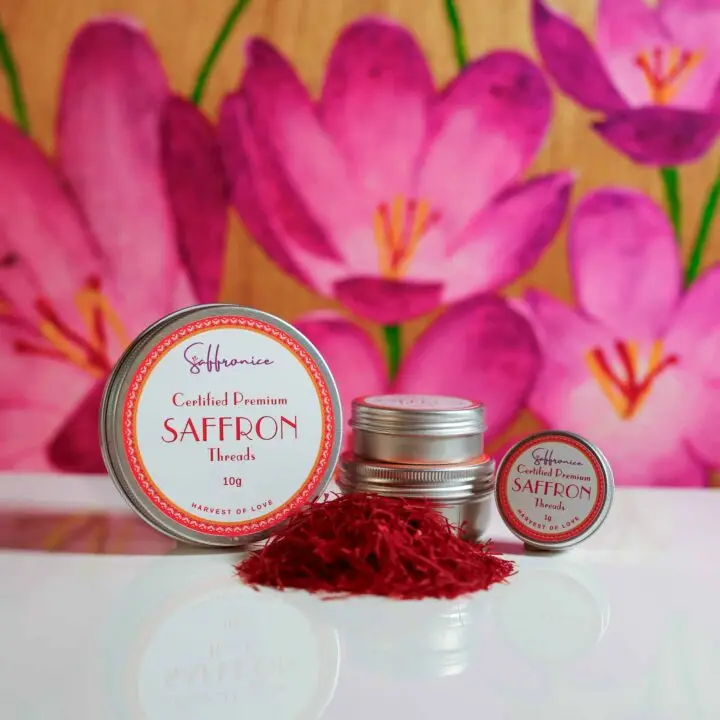

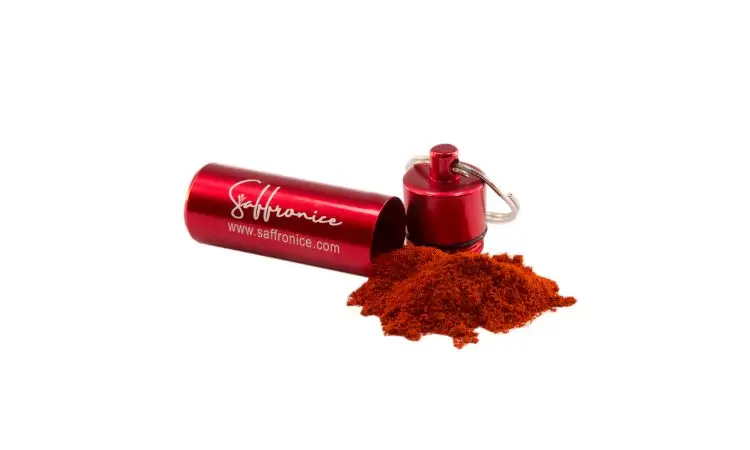
Saffron, the world’s most precious spice, demands careful handling and storage to preserve its vibrant hue, robust aroma, and unmatched flavor. As a discerning saffron enthusiast, understanding what makes saffron unique is essential for selecting the right container for long-term storage. This comprehensive guide delves into various saffron container types, examining their unique features and benefits to help you make informed decisions that will keep your saffron in peak condition for months or even years.
Proper container selection represents a critical investment in preserving saffron’s exceptional qualities, ensuring every strand maintains its potency and aromatic intensity throughout storage.
📌 Quick Answer: Use airtight, opaque containers made from glass, stainless steel, or food-grade ceramic. Store at 50-70°F with 50-60% humidity, away from light. Choose appropriate sizes for your usage patterns and ensure all materials meet food-grade safety standards.
🔑 Key Takeaways:
- Explore premium container materials from glass to airtight metal tins
- Understand light, temperature, and humidity impacts on saffron quality
- Discover innovative vacuum-sealed packaging for optimal preservation
- Consider size and portion control strategies for waste prevention
- Ensure storage solutions meet food-grade safety standards
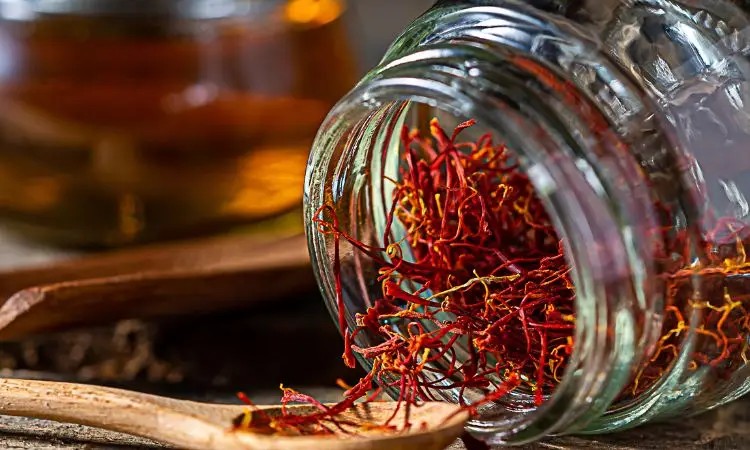
Understanding Saffron’s Storage Requirements
Preserving saffron’s quality and potency requires special attention to environmental factors. The delicate nature of this prized spice demands optimal conditions for safeguarding its coveted flavor, aroma, and vibrant color.
Chef’s Professional Tip: During my culinary career, I’ve learned that proper container selection can mean the difference between preserving saffron’s exceptional qualities and watching this expensive investment deteriorate rapidly.
Food Scientist’s Note: Saffron’s bioactive compounds—crocin, picrocrocin, and safranal—are extremely sensitive to environmental factors. Understanding their stability requirements guides effective container selection and storage protocols.
Professional saffron storage methods emphasize controlling multiple environmental variables simultaneously for optimal preservation results.
Environmental Impact Factors
Light Sensitivity: Saffron degrades rapidly when exposed to direct sunlight or harsh artificial lighting, losing its signature red pigmentation and floral notes. UV exposure breaks down delicate aromatic compounds permanently.
Temperature Fluctuations: Saffron thrives in stable, cool environments. Drastic temperature changes compromise structural integrity and impact overall quality through compound degradation.
Humidity Control: Proper moisture management prevents both mold growth from excess humidity and brittleness from excessive dryness.
| Storage Factor | Optimal Range | Impact on Quality |
|---|---|---|
| Temperature | 50-70°F (10-21°C) | Maintains compound stability |
| Humidity | 50-60% | Prevents mold and brittleness |
| Light | Dark environment | Preserves color and aroma |
Understanding proper temperature storage requirements and light exposure protection helps select appropriate container features.
Critical Storage Considerations
Effective moisture protection requires containers with humidity-controlled environments, often achieved through desiccant packs or specialized sealing mechanisms.
Professional preservation tips emphasize that container selection must address all environmental factors simultaneously for optimal results.
Glass Containers: Premium Storage Solutions
Glass containers represent the gold standard for saffron storage, offering unparalleled protection through non-reactive materials and superior sealing capabilities.
Advantages of Glass Storage
Non-Reactive Properties: Glass containers don’t interact with saffron’s delicate compounds, preserving original flavor profiles without contamination or chemical reactions.
Airtight Sealing: Quality glass containers create hermetic environments, effectively shielding saffron from air and moisture exposure while maintaining potent aromatic compounds.
Light Protection: Amber or dark glass varieties provide excellent UV protection, preventing photodegradation of color-producing crocin compounds.
Visual Monitoring: Transparent glass enables easy condition assessment, allowing early detection of quality changes or spoilage indicators.
Glass Container Varieties
Amber Glass Jars: Provide optimal light protection while maintaining visibility for quality monitoring. Ideal for long-term storage applications.
Clear Glass with Dark Storage: Offers maximum visibility when stored in dark environments, perfect for frequent quality assessment.
Small Portion Jars: Minimize air exposure during repeated access, maintaining freshness for regularly used quantities.
Glass containers excel at preserving saffron’s distinctive coloring strength through comprehensive environmental protection.
Airtight Metal Tins: Durable Storage Options
Metal containers offer excellent durability and portability while providing superior barrier properties against environmental factors.
Material Comparisons
Aluminum Tins:
- Lightweight and corrosion-resistant
- Cost-effective for everyday use
- Excellent moisture barrier properties
- May dent but maintains seal integrity
Stainless Steel Options:
- Superior durability and longevity
- Sophisticated aesthetic appeal
- Complete light barrier protection
- Higher initial investment cost
Sealing Technologies
Screw-Top Mechanisms: Provide reliable, reusable sealing with consistent performance over extended periods.
Gasket-Enhanced Seals: Silicone or rubber gaskets create superior airtight barriers, preventing air infiltration and maintaining optimal internal environments.
Press-Fit Closures: Offer convenient access while maintaining adequate sealing for moderate-term storage needs.
| Feature | Aluminum | Stainless Steel |
|---|---|---|
| Durability | Moderate | Excellent |
| Weight | Light | Heavy |
| Cost | Lower | Higher |
| Aesthetic | Functional | Premium |
Metal containers work synergistically with proper environmental controls to maintain saffron’s aromatic and flavor properties.
Alternative Container Materials and Options
Beyond glass and metal, several specialized materials offer unique advantages for different storage needs and preferences.
Ceramic and Porcelain Solutions
Traditional Designs: Heritage-inspired containers with intricate patterns reflecting saffron’s cultural significance in various cuisines.
Modern Aesthetics: Contemporary designs featuring clean lines and minimalist forms that complement modern kitchen décor.
Glazing Considerations: Matte finishes provide better humidity regulation, while glossy surfaces offer easier cleaning and maintenance.
Plastic Container Options
Food-Grade Requirements: BPA-free, FDA-approved plastics ensure safety while providing lightweight, affordable storage solutions.
Limitations: May not provide equivalent airtight sealing compared to glass or metal alternatives, potentially affecting long-term storage effectiveness.
Wooden Storage Solutions
Natural Aesthetics: Offers traditional appeal with natural humidity regulation properties.
Sustainability: Environmentally friendly option for eco-conscious consumers.
Considerations: May not provide optimal airtight sealing, making them better suited for shorter-term storage applications.
Innovative Vacuum-Sealed Packaging
Advanced packaging technologies offer superior preservation through complete air removal and specialized barrier materials.
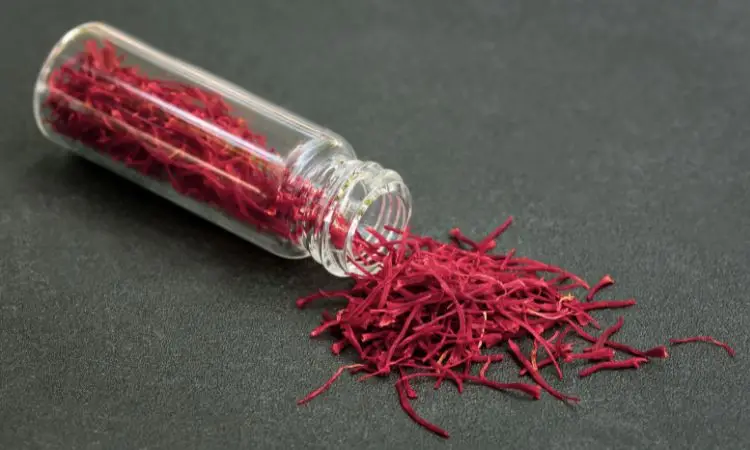
Vacuum-Sealed Vial Systems
Complete Oxygen Removal: Creates anaerobic environments that prevent oxidation and compound degradation.
Extended Shelf Life: Significantly prolongs usable storage periods while maintaining potency and aromatic intensity.
Portion Control: Individual vials enable precise measurement while protecting unused portions.
Vacuum-Sealed Pouches and Bags
Portable Format: Convenient for travel and transportation while maintaining protective environments.
Cost-Effective: Affordable option for various quantity requirements.
Space Efficient: Compact storage footprint ideal for limited storage space situations.
| Vacuum Container Type | Key Benefits | Considerations |
|---|---|---|
| Glass Vials | Maximum protection, visibility | Higher cost, fragile |
| Sealed Pouches | Affordable, portable | Less durability |
| Metal Canisters | Durable, reusable | Initial investment |
Understanding quality standards helps evaluate whether vacuum-sealed options provide the necessary protection levels.
Size Selection and Portion Control Strategies
Container size directly impacts saffron quality maintenance through air exposure management and usage optimization.
Small-Batch vs. Bulk Storage
Individual Portions: Small containers minimize air exposure during access, ideal for occasional users who prioritize maximum freshness per use.
Bulk Storage: Larger containers suit frequent users but require careful consideration of air space management and usage patterns.
Hybrid Approaches: Transferring from bulk storage to smaller containers balances cost-effectiveness with freshness optimization.
Measuring and Dispensing Features
Built-in Measuring Tools: Integrated spoons or scoops ensure accurate portioning while minimizing handling.
Sifting Mechanisms: Specialized lids enable controlled dispensing without container opening, reducing air exposure.
Portion Markings: Clear quantity indicators help maintain consistency and prevent overuse of this expensive spice.
Understanding proper dosage guidelines helps select appropriate container sizes and dispensing features.
Material Safety and Food-Grade Standards
Container safety represents a critical consideration for preserving both saffron quality and consumer health.
Food-Grade Compliance
FDA Approval: Ensures containers meet stringent safety standards for food contact materials.
Non-Toxic Materials: Prevents chemical leaching that could contaminate saffron or pose health risks.
Third-Party Certification: Independent verification provides additional assurance of material safety and performance.
Quality Assurance Factors
Chemical Inertness: Materials that don’t react with saffron compounds preserve original flavor profiles.
Durability Standards: Long-lasting materials provide consistent protection throughout extended storage periods.
Cleaning Compatibility: Materials that withstand proper sanitization maintain hygienic storage conditions.
Professional sourcing from reputable suppliers often includes guidance on appropriate container selection for their specific saffron grades.
Expert Container Selection Recommendations
Food Scientist’s Advice: Document storage performance and monitor saffron freshness indicators regularly. This data helps optimize container selection and replacement schedules for consistent quality maintenance.
Conclusion
Selecting appropriate saffron containers requires balancing multiple factors, including material properties, size requirements, environmental protection, and safety standards. Understanding how different container types address storage challenges enables informed decisions that preserve saffron’s exceptional qualities throughout extended storage periods.
Whether choosing premium glass solutions, durable metal options, or innovative vacuum-sealed systems, the key lies in matching container features to your specific storage needs and usage patterns. Quality containers represent investments in preserving saffron’s value while ensuring optimal culinary performance.
Remember that effective storage begins with quality sourcing and continues through proper container selection and environmental management. Monitoring saffron shelf life indicators helps maintain quality standards regardless of container choice.
Frequently Asked Questions
What are the best container types for long-term saffron storage? Glass jars, airtight metal tins (aluminum or stainless steel), and ceramic vessels offer optimal protection. These materials provide excellent barriers against light, temperature fluctuations, and humidity changes.
How do light and temperature impact saffron quality during storage? Direct light and temperature changes degrade saffron’s delicate flavor, aroma, and color compounds. Store in cool, dark places using opaque containers for maximum protection.
What are the ideal environmental conditions for storing saffron? Maintain temperatures between 50-70°F (10-21°C) with 50-60% humidity in dark environments. Consistent conditions prevent quality deterioration.
Why are glass containers considered premium choices for saffron storage? Glass containers offer non-reactive surfaces, excellent airtight sealing, and light protection capabilities. They provide versatile sizing options for both small-batch and bulk storage needs.
What benefits do airtight metal tins provide for saffron storage? Metal tins offer durability, portability, and excellent hermetic sealing. They provide effective barriers against environmental factors while maintaining convenient access.
How do vacuum-sealed packaging options benefit saffron storage? Vacuum-sealed containers remove oxygen, significantly extending shelf life while preserving potency and flavor. They offer superior protection for long-term storage applications.
What factors should guide saffron container size selection? Consider usage frequency, portion control needs, and air exposure minimization. Smaller containers suit occasional users, while bulk containers work for frequent use patterns.
What material safety standards should saffron containers meet? Choose food-grade materials that meet FDA standards, are non-toxic, and won’t react with saffron compounds. Ensure containers are specifically designed for food storage applications.