
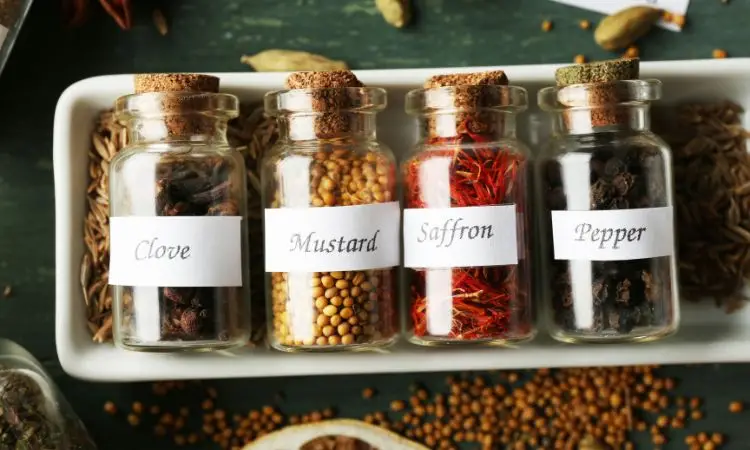
Saffron, the world’s most precious spice, is renowned for its captivating aroma, vibrant color, and unique flavor. Harvested from the delicate stigmas of the Crocus sativus flower, this culinary treasure requires careful attention and proper storage techniques to preserve its quality and longevity. This comprehensive guide explores essential saffron preservation tips that will empower you to enjoy the full essence of this remarkable spice in your home kitchen.
📌 Quick Answer: Store saffron in airtight containers at 50-70°F (10-21°C) with 30-50% humidity, away from light. Use glass or metal containers, add desiccants for moisture control, and refrigerate or freeze for extended storage.
🔑 Key Takeaways:
- Understand saffron’s chemical composition to maintain quality
- Control temperature, humidity, and light exposure for optimal storage
- Choose proper containers and techniques to extend shelf life
- Avoid common storage mistakes that compromise integrity
- Use refrigeration and freezing for long-term preservation
Understanding Saffron’s Value and Properties
Saffron’s distinctive properties stem from its rich chemical makeup. The spice contains three primary bioactive compounds: crocin, picrocrocin, and safranal. These compounds work synergistically to create saffron’s signature hue, taste, and aroma, making it highly sought-after in culinary and medicinal applications.
Chef’s Professional Tip: During my culinary career, I’ve learned that understanding saffron’s chemical composition helps predict how it responds to different storage conditions. This knowledge is crucial for maintaining its exceptional qualities.
Food Scientist’s Note: Saffron’s bioactive compounds are highly volatile and sensitive to environmental factors. Proper storage prevents degradation of these valuable molecules that give saffron its unique characteristics.
Meeting saffron quality standards requires maintaining optimal storage conditions throughout the spice’s lifecycle.
Why Proper Storage Matters
Improper storage can quickly degrade saffron’s potency and flavor profile. Exposure to light, humidity, and temperature fluctuations accelerates the breakdown of delicate chemical components, compromising overall quality and reducing the spice’s value.
Quality Indicators of Fresh Saffron
High-quality saffron should display these characteristics:
- Vibrant, deep red color – indicates fresh crocin compounds
- Intense, floral aroma with honey notes – shows intact volatile compounds
- Pliable thread-like strands that snap cleanly – demonstrates proper drying
- Absence of mold or discoloration – confirms quality preservation
Understanding these indicators helps evaluate your saffron’s condition and storage effectiveness using proven saffron storage methods.
Essential Preservation Tips for Long-Term Storage
Preserving saffron’s vibrant hue, aromatic essence, and distinct flavor requires controlling three critical environmental factors: temperature, humidity, and light exposure.
Temperature Control: The Foundation of Preservation
Saffron thrives in cool, stable environments. Maintain consistent temperatures between 50-70°F (10-21°C) to prevent premature deterioration. Extreme heat or fluctuating temperatures diminish saffron’s potency and color intensity over time.
Optimal Temperature Guidelines:
- Room storage: 60-70°F (15-21°C) for short-term use
- Refrigerated storage: 35-40°F (2-4°C) for extended preservation
- Frozen storage: 0°F (-18°C) for maximum longevity
Humidity Management: Striking the Perfect Balance
Excessive moisture wreaks havoc on saffron, causing mold growth and flavor loss. Maintain humidity levels between 30-50% to keep saffron in prime condition. Professional container types for saffron help regulate internal moisture levels.
Light Exposure: Protecting Saffron’s Sensitive Nature
Saffron’s delicate compounds degrade when exposed to direct sunlight or intense artificial lighting. Store in dark, cool places like pantries or cabinets to safeguard vibrant color and aromatic properties.
| Factor | Optimal Range | Storage Impact |
|---|---|---|
| Temperature | 50-70°F (10-21°C) | Prevents compound degradation |
| Humidity | 30-50% | Prevents mold and moisture damage |
| Light | Minimal exposure | Maintains color and potency |
Choosing the Right Storage Containers
Selecting appropriate storage containers significantly impacts saffron potency maintenance throughout storage periods.
Glass vs. Metal Containers
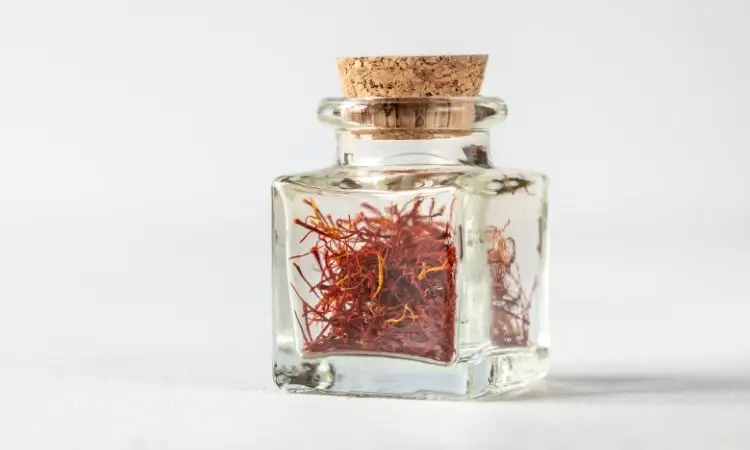
Glass containers offer transparency for easy monitoring and inert properties that won’t interact with saffron’s compounds. Metal containers (tin or stainless steel) provide superior airtight seals, effectively shielding saffron from air exposure and contamination.
Importance of Airtight Seals
Airtight seals maintain freshness and prevent oxidation, which causes flavor and potency loss. Ensure containers have secure, tightly fitting lids that form complete barriers against air and moisture.
Container Size Recommendations
Choose container sizes based on your saffron quantity:
- 1-2 grams: Small glass jars or metal tins (2-4 oz)
- 3-5 grams: Medium containers (4-8 oz)
- 6-10 grams: Large containers (8-12 oz)
Proper sizing minimizes air exposure while providing adequate storage space.
Humidity Control for Optimal Storage
Maintaining proper humidity levels is crucial for preserving saffron quality. Professional moisture protection for saffron prevents deterioration and extends shelf life.
Measuring and Maintaining Ideal Humidity
The optimal humidity range for saffron storage is 30-50%. Use hygrometers to monitor relative humidity in storage environments. Regular monitoring enables timely adjustments to maintain ideal conditions.
Using Desiccants Effectively
Desiccants absorb excess moisture, preventing it from reaching stored saffron. Place silica gel packets or other desiccant materials inside containers to regulate humidity. Replace desiccants regularly to ensure continued effectiveness.
Humidity Impact on Quality:
- Below 30%: Saffron becomes brittle and loses aroma
- 30-50%: Optimal range for quality preservation
- Above 50%: Increased mold risk and quality deterioration
Light Exposure Management
Proper light exposure management maintains saffron’s vibrant color and potent properties. Light sensitivity requires careful storage and handling practices.
Protection Strategies
- Store in cool, dark locations away from direct sunlight
- Avoid well-lit areas where indirect light impacts quality
- Use opaque or tinted containers to shield from light exposure
- Minimize handling frequency and duration to reduce light contact
Understanding light’s impact on saffron helps preserve quality and extend saffron shelf life effectively.
Refrigeration Techniques for Extended Life
Refrigeration significantly extends saffron preservation when implemented correctly.
Temperature Settings Guide
Store saffron at 35-40°F (2-4°C) in refrigerators. This cool environment slows degradation processes while maintaining compound integrity. Avoid temperature fluctuations that cause moisture buildup and potential spoilage.
Organization Tips
- Use airtight containers to protect from air and moisture
- Place containers in main compartments away from doors
- Avoid storing near strongly scented foods to prevent aroma absorption
- Label containers with storage dates for freshness tracking
Proper refrigeration can extend saffron’s usable life by several months while maintaining quality.
Freezing Methods for Maximum Preservation
Freezing provides the longest storage option for saffron preservation, potentially extending shelf life for years when done correctly.
Proper Freezing Techniques
Ensure saffron threads are completely dry before freezing to prevent ice crystal formation. Use airtight containers or freezer-safe bags, removing as much air as possible to minimize oxidation.
Packaging Considerations
Glass or metal containers with tight-fitting lids provide optimal protection. High-quality resealable bags work when thick enough to prevent air infiltration. Proper packaging prevents freezer burn and maintains quality.
Thawing Guidelines
Remove containers from freezer and allow gradual thawing at room temperature. Avoid microwaves or hot water, as sudden temperature changes compromise delicate flavors and aromas.
Common Storage Mistakes to Avoid
Avoiding common errors ensures optimal saffron preservation and prevents quality loss.
Critical Mistakes
- Moisture exposure: Leads to mold growth and flavor deterioration
- Temperature fluctuations: Causes structural damage and compound breakdown
- Light exposure: Degrades color compounds and reduces potency
- Cross-contamination: Allows absorption of foreign flavors and aromas
Prevention Strategies
- Use dedicated storage containers exclusively for saffron
- Monitor storage conditions regularly with appropriate instruments
- Implement proper sealing techniques to maintain the internal environment
- Store away from strong-smelling foods and cleaning products
Learning to recognize saffron freshness indicators and signs of spoilage helps maintain quality standards.
Expert Storage Recommendations
Chef’s Wisdom: Treat saffron storage like protecting fine wine—consistent conditions preserve exceptional qualities. Quality sourcing from reputable suppliers combined with proper preservation creates lasting culinary value.
Food Scientist’s Advice: Document storage conditions and monitor quality indicators regularly. This data helps optimize preservation strategies and ensures you’re always cooking with saffron at peak quality.
Conclusion
Mastering saffron preservation requires understanding the spice’s delicate nature and implementing comprehensive storage strategies. By controlling temperature, humidity, and light exposure while using appropriate containers and techniques, you can maintain saffron’s exceptional qualities for extended periods.
Proper preservation begins with quality sourcing and continues through every aspect of storage management. Whether using room temperature, refrigeration, or freezing methods, consistent application of these techniques ensures your saffron investment provides exceptional culinary experiences for months or years to come.
For comprehensive storage guidance, explore additional saffron long-term storage techniques that complement these preservation tips.
Frequently Asked Questions
How should I store saffron to maintain freshness and quality? Store saffron in airtight containers away from light, heat, and moisture. Keep in cool, dry places like refrigerators or freezers, avoiding temperature fluctuations.
What are the best storage containers for saffron? Glass or metal containers with tight-fitting lids work best. Avoid plastic containers that can impart unwanted odors. Ensure containers are airtight to prevent moisture and air exposure.
How long does properly stored saffron last? Properly stored saffron maintains flavor and aroma for 2-3 years in refrigerators or freezers. Check regularly for deterioration signs.
How long does properly stored saffron last? Properly stored saffron maintains flavor and aroma for 2-3 years in refrigerators or freezers. Check regularly for deterioration signs like color fading or fragrance loss.
What are the ideal temperature and humidity levels for saffron storage? The ideal temperature range is 50-70°F (10-21°C) for room storage, with humidity levels between 30-50%. Avoid areas with high humidity or temperature fluctuations that negatively impact quality.
How do I know if my saffron is still fresh and high quality? Fresh saffron displays a deep, vibrant red color, a rich floral aroma, and a slightly bitter, earthy taste. Faded color, lost fragrance, or stale taste indicate deterioration and require replacement.
Can I freeze saffron to extend its shelf life? Yes, freezing effectively preserves saffron for extended periods. Place in airtight containers or bags, remove excess air, and store at 0°F (-18°C) or below. Properly frozen saffron lasts up to 3 years.
What common mistakes should I avoid when storing saffron? Avoid exposing saffron to moisture, heat, or light; using non-airtight containers; and storing near strong-smelling foods. Always maintain cool, dry, dark conditions to prevent quality deterioration.