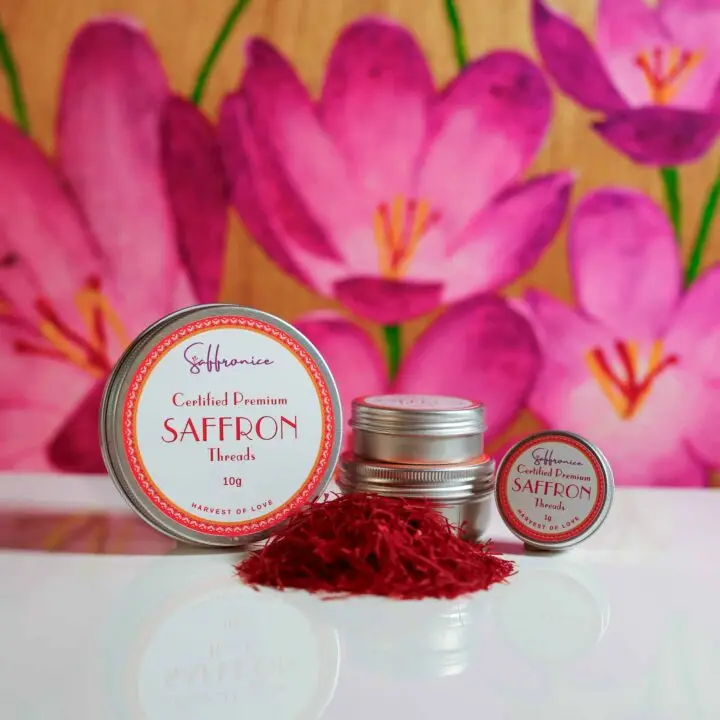


📌 Quick Answer: Saffron commands luxury pricing ($3,000-8,000/kg retail) due to labor-intensive hand-harvesting, extremely low yields (150 flowers = 1g saffron), limited growing regions, and cultural prestige spanning millennia. Its position as the world’s most expensive spice reflects scarcity, quality standards, and premium market positioning.
In the realm of culinary excellence and luxury commodities, saffron stands unrivaled as the world’s most precious spice. Derived from the delicate crimson stigmas of the Crocus sativus flower, this golden treasure has captivated civilizations for over 3,000 years, commanding prices that exceed those of gold by weight.
Saffron’s luxury status stems from a perfect convergence of rarity, labor intensity, cultural significance, and unmatched sensory qualities. Unlike mass-produced commodities, saffron’s production remains fundamentally unchanged from ancient times, requiring meticulous hand-harvesting that makes mechanization impossible.
Chef’s Professional Tip: In professional kitchens, saffron functions as both an ingredient and a status symbol. A single pinch can transform a dish’s flavor profile and visual appeal while signaling culinary sophistication that justifies premium menu pricing.
Key Luxury Indicators: What Defines Saffron’s Premium Status
- Extreme Scarcity: Only 150-200 flowers produce 1 gram of dried saffron
- Labor Intensity: Each stigma must be hand-picked during a 2-3 week harvest window
- Geographic Limitation: Thrives only in specific Mediterranean and temperate climates
- Cultural Heritage: Associated with royalty, religious ceremonies, and fine dining for millennia
- Price Premium: Costs 10-50x more than other premium spices
- Quality Complexity: Multiple grades and authentication methods differentiate authentic products
The Ancient Legacy: Saffron’s Historical Path to Luxury
Saffron’s journey to luxury status began in ancient civilizations where it was valued as currency, medicine, and a symbol of divine favor. This rich historical foundation established precedents that continue shaping modern luxury markets.
Early Trade Routes and Economic Significance
Ancient Mesopotamian tablets from 2300 BCE reference saffron as a luxury commodity, while Egyptian papyri describe its use in royal embalming processes. The spice’s value was so established that it served as a tribute payment between kingdoms and appeared in dowry negotiations among nobility.
Persian Empire Influence: Ancient Persia developed sophisticated saffron cultivation techniques still used today. Persian nobles incorporated saffron into carpets, clothing dyes, and elaborate feasts, establishing associations with wealth and refinement that persist across cultures.
Greek and Roman Luxury: Classical civilizations elevated saffron to divine status, using it in religious ceremonies and as a marker of social status. Romans paid premium prices for saffron-infused wines and perfumes, creating luxury market dynamics recognizable in modern contexts.
Silk Road Commerce: Medieval trade routes established saffron as an international luxury commodity, with merchant families building fortunes through saffron commerce. The spice’s high value-to-weight ratio made it ideal for long-distance luxury trade.
Royal Patronage and Noble Applications
Historical records document extensive royal saffron usage across cultures:
European Monarchy: Medieval European courts used saffron to demonstrate wealth and sophistication. Royal kitchens employed dedicated saffron masters to ensure proper usage and prevent theft of this valuable commodity.
Islamic Golden Age: Abbasid and Umayyad caliphs incorporated saffron into palace ceremonies, establishing traditions that influenced luxury consumption patterns throughout the Islamic world.
Chinese Imperial Courts: Tang and Ming dynasties valued saffron for medicinal purposes and ceremonial functions, creating demand that influenced Central Asian trade routes.
Food Scientist’s Note: Saffron’s historical luxury status wasn’t arbitrary – its unique chemical composition (crocin, picrocrocin, safranal) creates sensory experiences impossible to replicate with other ingredients, justifying premium pricing across cultures and centuries.
Production Economics: Understanding Saffron’s Inherent Luxury Positioning
The economics of saffron production create natural luxury market conditions through scarcity, labor requirements, and quality variability that resist mass market commoditization.
Labor-Intensive Harvesting Reality
Saffron harvesting remains fundamentally unchanged from ancient practices, creating inherent luxury market conditions:
Harvest Window Constraints: Saffron flowers bloom for only 2-3 weeks annually, typically in October-November. Each flower opens for just one day, creating extreme time pressure that prevents mechanization and requires intensive manual labor.
Micro-Scale Production: Each crocus flower yields only 3 stigmas weighing approximately 0.007 grams. Producing one kilogram of dried saffron requires harvesting 150,000-170,000 flowers, representing roughly 40 hours of skilled hand labor.
Quality Degradation Risks: Saffron stigmas must be processed within hours of harvesting to maintain color, aroma, and potency. This time sensitivity prevents large-scale industrial processing and maintains artisanal production characteristics.
Skilled Labor Premium: Experienced harvesters can collect stigmas 2-3 times faster than novices while maintaining quality standards. This skill premium creates labor costs that support luxury pricing structures.
Geographic and Climate Limitations
Saffron cultivation requires specific environmental conditions that limit production regions:
Mediterranean Climate Necessity: Saffron requires hot, dry summers followed by cool, moist winters with specific temperature ranges. These conditions exist in limited global regions, constraining supply expansion.
Soil Composition Requirements: Optimal saffron production requires well-draining, slightly alkaline soils with specific mineral compositions. Soil preparation and maintenance require specialized knowledge and investment.
Water Management Precision: Saffron needs precise irrigation timing – too much water during dormancy causes bulb rot, while insufficient moisture during growth reduces flower production.
Premium Market Dynamics and Consumer Psychology
Saffron operates in luxury markets with unique psychological and economic characteristics that differentiate it from commodity spices.
Price-Quality Relationship
Premium saffron pricing reflects quality differentiation that luxury consumers understand and value:
Grade-Based Pricing: International standards create clear quality hierarchies with corresponding price tiers:
- Grade I (Coupe): €8,000-12,000 per kilogram wholesale
- Grade II (Mancha): €6,000-9,000 per kilogram wholesale
- Grade III (Rio): €4,000-7,000 per kilogram wholesale
Origin Premiums: Specific geographic origins command premium pricing:
- Kashmir saffron: 50-100% premium over Iranian equivalents
- Spanish La Mancha: 25-40% premium for PDO certification
- Greek Kozani: 30-50% premium for traditional methods
Authentication Value: Laboratory-verified authentic saffron commands significant premiums over products lacking authentication, reflecting consumer willingness to pay for guaranteed quality.
Luxury Consumer Behavior
Saffron purchasing patterns reflect classic luxury market dynamics:
Status Signaling: Consumers use saffron purchases to demonstrate culinary sophistication and economic capability, particularly in gift-giving contexts and social dining situations.
Quality Consciousness: Luxury consumers prioritize authenticity and origin verification over price considerations, supporting premium pricing for certified products.
Experience Seeking: High-end consumers value the sensory experience and cultural connection saffron provides, viewing purchases as investments in culinary education and cultural appreciation.
Quality Standards and Authentication Systems
International quality standards create the framework that enables luxury market segmentation and premium pricing structures.
ISO 3632 International Standards
The International Organization for Standardization established comprehensive saffron quality metrics:
Chemical Composition Requirements:
- Crocin content: Determines coloring strength (minimum 200 for Grade I)
- Picrocrocin levels: Measures flavor intensity (minimum 70 for premium grades)
- Safranal concentration: Indicates aroma potency (minimum 20 for top quality)
- Moisture content: Maximum 12% for proper preservation and quality
Physical Quality Indicators:
- Thread length and uniformity
- Color consistency and depth
- Foreign matter content (maximum 0.5%)
- Broken or damaged stigma percentage
Authentication and Anti-Counterfeiting
The luxury saffron market has developed sophisticated authentication methods to protect consumers and maintain market integrity:
Laboratory Testing Methods:
- HPLC Analysis: High-performance liquid chromatography identifies chemical fingerprints
- DNA Testing: Genetic analysis confirms Crocus sativus origin
- Spectroscopic Analysis: Advanced optical methods detect adulterants
- Isotope Analysis: Determines geographic origin through isotopic signatures
Visual Authentication Techniques:
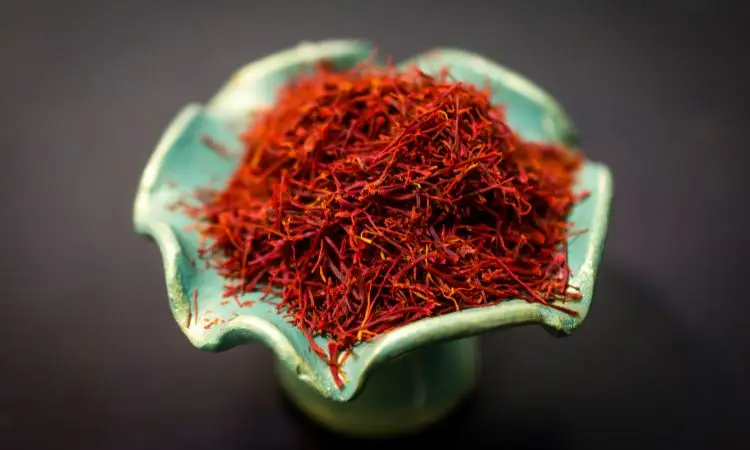
- Thread Examination: Authentic saffron shows trumpet-shaped stigmas with serrated edges
- Color Assessment: Pure saffron displays a deep red color without artificial dyes
- Aroma Evaluation: Genuine saffron produces a complex, sweet-metallic fragrance
- Water Test: Authentic saffron slowly releases color while maintaining thread integrity
Global Production Centers and Market Leadership
Global saffron production remains concentrated in traditional regions, creating supply dynamics that support luxury pricing.
Major Production Regions
Iran (90% global production):
- Khorasan provinces produce 300-400 tons annually
- Cost advantages through scale and traditional expertise
- Government support through quality certification and export facilitation
- Challenges include sanctions affecting international market access
Spain (La Mancha region):
- Premium positioning through Protected Designation of Origin
- Annual production: 1.5-2 tons of ultra-high quality saffron
- Traditional cultivation methods are preserved through cooperative structures
- Commands the highest global prices due to quality and authenticity guarantees
Kashmir, India:
- Ultra-premium saffron with unique aromatic properties
- Limited production (6-7 tons annually) creates exclusivity
- Himalayan climate produces the longest stigmas globally
- Political instability affects production consistency and market access
Emerging Regions:
- Greece: Traditional Kozani saffron gaining international recognition
- Morocco: High Atlas production expanding with quality improvements
- Afghanistan: Rapid growth, but quality and marketing challenges remain
Market Control and Price Influence
Production concentration creates market dynamics favorable to luxury positioning:
Iranian Market Influence: Iran’s production dominance allows significant price influence, though international sanctions create market volatility.
Spanish Premium Strategy: Spain’s focus on ultra-premium markets demonstrates successful differentiation through quality rather than volume.
Supply Chain Integration: Leading producers increasingly control distribution channels, capturing value-added processing and marketing margins.
Culinary Applications in Elite Gastronomy
Saffron’s culinary applications in high-end gastronomy demonstrate its luxury positioning through association with premium dining experiences and celebrity chefs.
Signature Dishes and Classical Applications
Traditional Luxury Preparations:
- Paella Valenciana: Spanish saffron is essential for authentic preparation
- Risotto alla Milanese: Italian tradition demands premium saffron for proper execution
- Bouillabaisse: French Provençal cuisine showcases saffron’s aromatic complexity
- Persian Rice Dishes: Elaborate saffron preparations demonstrate hospitality and wealth
Modern Haute Cuisine Innovation:
- Molecular Gastronomy: Chefs create saffron foams, gels, and essences
- Fusion Applications: Saffron bridges traditional and contemporary cooking styles
- Dessert Integration: High-end pastry incorporates saffron into luxury confections
- Beverage Craftsmanship: Premium cocktails and teas feature saffron as a signature element
Professional Kitchen Economics
Restaurant industry saffron usage reflects luxury market dynamics:
Cost-Benefit Analysis: Premium restaurants justify saffron costs through menu pricing strategies that leverage its luxury positioning.
Quality Investment: Professional chefs prioritize authentic, high-grade saffron to maintain restaurant reputation and dish integrity.
Supply Relationships: Elite establishments develop direct relationships with premium suppliers to ensure consistent quality and availability.
Health Benefits and Wellness Market Integration
Saffron’s health benefits and traditional medicinal applications extend its luxury positioning into wellness and pharmaceutical markets.
Scientific Validation of Traditional Uses
Modern research validates many traditional medicinal applications:
Mood Enhancement: Clinical studies demonstrate saffron’s effectiveness for mild to moderate depression, supporting premium pricing for pharmaceutical-grade extracts.
Cognitive Support: Research on memory enhancement and neuroprotection creates demand for standardized saffron supplements in the lucrative nootropics market.
Antioxidant Properties: High ORAC values and unique carotenoid compounds support anti-aging applications in luxury skincare and wellness products.
Eye Health Applications: Studies on age-related macular degeneration create pharmaceutical opportunities for concentrated saffron extracts.
Luxury Wellness Market Integration
The wellness industry has embraced saffron as a premium functional ingredient:
High-End Supplements: Luxury supplement brands feature saffron in premium formulations targeting affluent health-conscious consumers.
Spa and Beauty Applications: Premium skincare lines incorporate saffron extracts, leveraging its historical beauty associations and antioxidant properties.
Functional Foods: Artisanal food producers create saffron-infused products targeting health-conscious luxury consumers.
Investment Characteristics and Market Trends
Saffron price fluctuations and market dynamics create investment opportunities that appeal to alternative investment strategies.
Price Volatility and Investment Drivers
Saffron demonstrates investment characteristics attractive to commodity investors:
Supply Volatility: Weather conditions, geopolitical events, and harvest variations create price fluctuations ranging from 20-50% annually.
Demand Growth: Expanding culinary applications and health consciousness drive consistent demand growth in developed markets.
Currency Effects: Multi-currency trading creates arbitrage opportunities and hedging requirements for international traders.
Quality Premiums: Superior grades maintain value better during market downturns, providing downside protection for quality-focused investors.
Market Infrastructure Development
Investment market infrastructure continues to develop:
Storage Solutions: Specialized climate-controlled facilities enable long-term storage and inventory financing.
Quality Certification: Reliable grading systems enable standardized contracts and trading instruments.
Market Access: Online platforms and specialty brokers facilitate investment-grade saffron transactions.
Risk Management: Forward contracts and quality guarantees reduce investment risks for sophisticated buyers.
Future Luxury Market Positioning
Saffron’s luxury positioning faces both opportunities and challenges in evolving global markets.
Technology and Tradition Balance
Maintaining luxury status requires balancing innovation with traditional methods:
Quality Enhancement: Technology improves storage methods and quality testing without compromising artisanal character.
Authentication Technology: Advanced testing methods protect brand integrity and consumer confidence.
Supply Chain Innovation: Blockchain technology and traceability systems enhance transparency while maintaining premium positioning.
Emerging Market Opportunities
Luxury market expansion creates new opportunities:
Asian Luxury Markets: Growing wealth in Asia creates demand for authentic luxury food ingredients with cultural significance.
Wellness Integration: Health consciousness trends support premium pricing for verified, therapeutic-grade saffron.
Sustainable Luxury: Environmental and social responsibility increasingly influence luxury purchasing decisions.
Brand Development Strategies
Premium saffron brands employ sophisticated marketing strategies:
Origin Storytelling: Emphasizing traditional cultivation methods and regional heritage builds emotional connections with luxury consumers.
Quality Transparency: Providing detailed quality information and third-party certifications builds trust and justifies premium pricing.
Experience Creation: Luxury brands create experiential connections through educational content, chef partnerships, and cultural narratives.
Strategic Implications for Stakeholders
Understanding saffron’s luxury market dynamics reveals strategic opportunities:
🔑 Key Success Factors:
- Authenticity Emphasis: Genuine products with verified origins command the highest premiums
- Quality Consistency: Maintaining standards across harvests builds brand reputation and customer loyalty
- Cultural Connections: Leveraging historical and cultural significance enhances luxury positioning
- Market Education: Consumer education about quality factors drives appreciation and willingness to pay premiums
- Supply Chain Control: Vertical integration from cultivation to retail maximizes value capture
The saffron luxury market represents a successful intersection of tradition, scarcity, and quality that creates sustainable premium positioning. Success requires understanding both the practical constraints that create scarcity and the cultural factors that maintain desirability across generations of luxury consumers.
Frequently Asked Questions
Why is saffron considered the world’s most expensive spice? Saffron’s extreme price reflects labor-intensive hand-harvesting (40 hours per kg), extremely low yields (150 flowers = 1g), limited growing regions with specific climate requirements, and consistent global demand for this irreplaceable ingredient.
What makes saffron a luxury good rather than just an expensive commodity? Saffron exhibits classic luxury characteristics: cultural prestige spanning millennia, association with elite cuisine and royal traditions, quality differentiation through grading systems, and consumer willingness to pay premiums for authentic, high-grade products.
How do quality grades affect saffron’s luxury market positioning? International quality standards (ISO 3632) create clear value hierarchies, with Grade I saffron commanding 50-100% premiums over lower grades. This quality differentiation enables luxury market segmentation and premium pricing strategies.
What role does authentication play in saffron’s luxury status? Authentication methods protect the luxury market’s integrity by preventing counterfeiting and adulteration. Laboratory testing and quality certification enable consumers to verify authenticity, supporting premium pricing for guaranteed genuine products.
How do production regions influence saffron’s luxury positioning? Different origins command varying premiums: Kashmir saffron can cost 2-3x Iranian prices due to unique quality characteristics, while Spanish La Mancha saffron benefits from PDO protection and traditional cultivation methods.
What investment characteristics make saffron attractive to luxury commodity investors? Saffron offers price appreciation potential through supply constraints, growing demand, and quality premiums. Storage stability, authentication systems, and market infrastructure development support its emergence as an alternative investment asset.