
📌 Quick Answer: Test saffron authenticity at home using: water test (genuine saffron releases color slowly, maintaining thread integrity), visual inspection (deep red threads with trumpet shape), aroma test (sweet, hay-like fragrance), and price verification (authentic saffron costs $500-5,000/lb). Avoid products with artificial dyes, synthetic scents, or suspiciously low prices.
Saffron, the world’s most expensive spice, commands premium prices that unfortunately attract counterfeiters and adulterators seeking to exploit unsuspecting consumers. With authentic saffron costing between $500-5,000 per pound, the financial incentive for fraud is substantial, making quality assessment skills essential for any saffron purchaser.
Understanding how to differentiate genuine saffron from imitations protects both your health and your wallet while ensuring you receive the full culinary and therapeutic benefits this precious spice offers. This comprehensive guide provides practical testing methods you can perform at home using common household items.
Chef’s Professional Tip: In professional kitchens, we always test new saffron suppliers using the water test – genuine saffron threads should maintain their structure while slowly releasing golden color, never creating an immediate burst of artificial-looking dye.
Key Quality Assessment Indicators
- Visual Characteristics: Deep red threads with trumpet-shaped ends and white/yellow lower portions
- Water Test Results: Slow color release, maintaining thread integrity for 10-15 minutes
- Aroma Profile: Complex, sweet, hay-like, and slightly metallic fragrance
- Price Reality Check: Authentic saffron costs $15-150 per gram retail
- Thread Behavior: Genuine saffron doesn’t break easily and feels slightly oily
- Color Development: Natural golden-yellow water color, never bright orange or red

Understanding Saffron Quality and Authenticity Importance
The significance of saffron quality assessment extends far beyond culinary satisfaction, encompassing health safety, financial protection, and therapeutic efficacy.
Health and Safety Considerations
Adulterated saffron poses genuine health risks that make quality testing essential:
Toxic Adulterants: Some counterfeit saffron contains harmful substances like lead-based dyes, synthetic colorants, or industrial chemicals that can cause serious health problems, including organ damage and allergic reactions.
Therapeutic Value Loss: Saffron’s health benefits depend on specific bioactive compounds (crocin, picrocrocin, safranal) that are absent in fake products, rendering any medicinal applications ineffective.
Allergic Reactions: Artificial additives and unknown plant materials used in counterfeit saffron can trigger unexpected allergic responses, particularly dangerous for individuals with known food sensitivities.
Economic Protection
Quality assessment protects consumers from significant financial losses:
Price Fraud Prevention: Understanding premium vs. regular saffron characteristics prevents overpaying for low-grade or fake products marketed as premium quality.
Value Verification: Authentic saffron’s high cost reflects genuine production expenses – labor-intensive harvesting, limited growing regions, and processing requirements that counterfeit products don’t justify.
Investment Protection: For consumers purchasing saffron as an investment or for special occasions, quality testing ensures the product maintains its intended value and purpose.
Food Scientist’s Note: Authentic saffron contains over 150 chemical compounds that create its unique sensory profile and therapeutic properties. These cannot be replicated synthetically, making quality testing both scientifically valid and practically necessary.
Common Adulteration Methods
Understanding fraudulent practices helps identify potential problems:
Artificial Coloring: Red dyes, turmeric, and paprika are commonly used to mimic saffron’s appearance while lacking its distinctive aroma and flavor compounds.
Plant Material Substitutes: Safflower petals, corn silk, coconut fibers, and other plant materials are dyed and sold as saffron at premium prices.
Weight Manipulation: Adding moisture, glycerin, or oil increases product weight, allowing sellers to charge premium prices for diluted products.
Geographic Misrepresentation: Lower-quality saffron from various regions is repackaged and sold as premium Kashmir or Spanish varieties.
Essential Testing Tools and Materials
Effective saffron quality assessment requires minimal equipment that most households already possess, making testing accessible and practical.
Basic Testing Equipment
Visual Inspection Tools:
- Magnifying Glass: 2-4x magnification is sufficient for examining thread structure and identifying artificial materials
- Good Lighting: Natural daylight or full-spectrum LED lighting for accurate color assessment
- White Background: Clean white plate or paper for neutral color comparison
- Tweezers: For handling individual threads without contamination
Water Testing Supplies:
- Clear Glass Container: Transparent glass or plastic container for observing color release
- Room Temperature Water: Chlorine-free water prevents interference with natural color compounds
- Timer: For measuring color release timing and thread behavior duration
- Measuring Spoons: For consistent sample sizes across different tests
Documentation Materials:
- Camera or Smartphone: For recording test results and comparing different samples
- Notebook: For tracking observations, timing, and quality assessments
- Labels: For identifying different samples during comparative testing
Optional Advanced Tools
Precision Equipment:
- Digital Scale: For measuring exact quantities and detecting weight manipulation
- pH Test Strips: Advanced users can test for artificial additives that alter natural pH
- Small Mortar and Pestle: For releasing aromatic compounds during scent analysis
- UV Light: Some artificial dyes fluoresce under ultraviolet light
Visual Inspection: The Foundation of Quality Assessment
Visual examination provides the first and most accessible method for saffron authentication, requiring careful attention to color, structure, and overall appearance.
Authentic Saffron Thread Characteristics
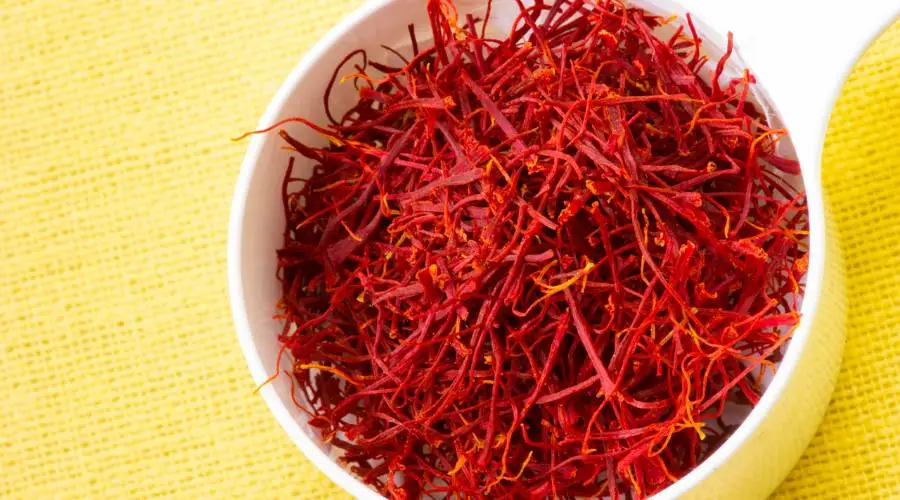
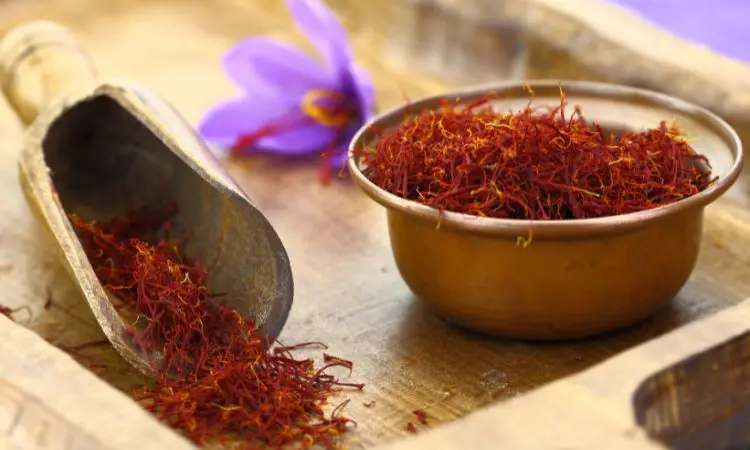
Color Profile: Genuine saffron threads display deep crimson-red coloration at the top (stigma tip), transitioning to lighter orange-red in the middle, with white or pale yellow at the base where the thread was attached to the flower. This natural gradient is difficult to replicate artificially.
Thread Structure: Authentic saffron threads have a distinctive trumpet or funnel shape at the top, widening from a thin base to a broader tip. The threads should appear slightly curved and possess a delicate, silky texture that feels slightly oily when touched.
Size and Uniformity: Natural saffron threads vary in length (typically 15-30mm) and thickness, reflecting the hand-harvesting process. Perfect uniformity often indicates machine processing or artificial production.
Identifying Counterfeit Indicators
Artificial Coloring Detection:
- Uniform Color: Fake saffron often shows unnaturally uniform coloration without natural gradient variations
- Color Bleeding: When handling threads, artificial dyes may transfer to fingers or white surfaces
- Bright Orange/Yellow: Turmeric-based counterfeits display bright yellow-orange rather than deep red
- Glossy Appearance: Artificial threads may appear unnaturally shiny or glossy compared to natural saffron’s matte finish
Structural Red Flags:
- Perfect Uniformity: Machine-cut or artificial threads show perfect length and thickness consistency
- Wrong Shape: Non-trumpet-shaped threads or those with blunt cuts indicate artificial production
- Brittle Texture: Dried plant materials used as substitutes often feel dry and brittle rather than slightly flexible
- Wrong Base Color: Authentic saffron should have white/pale yellow bases, not red throughout
Saffron Grading Standards and Visual Assessment
Grade I (Coupe) Characteristics:
- Deep red coloration with minimal yellow/white parts
- Long, thick threads with pronounced trumpet shapes
- Minimal broken pieces or foreign matter
- Vibrant appearance without fading or discoloration
Grade II (Mancha) Indicators:
- Good red color with some yellow/white portions visible
- Medium-length threads with recognizable structure
- Some broken pieces are acceptable, but limited foreign matter
- Consistent quality throughout the sample
Grade III (Rio) Identification:
- Lighter red coloration with more yellow/white portions
- Shorter threads with some structural variation
- More broken pieces and potentially some foreign matter
- Lower overall visual appeal, but still authentic saffron
The Water Test: Definitive Purity Assessment
The water test provides the most reliable home-based method for determining saffron authenticity, revealing color release patterns and thread behavior that are difficult to fake.
Proper Water Test Methodology
Step-by-Step Process:
- Sample Preparation: Select 8-10 representative threads from different parts of your saffron sample to ensure comprehensive testing.
- Water Selection: Use room temperature, filtered water in a clear glass container to avoid chlorine interference and enable clear observation.
- Thread Introduction: Gently place saffron threads in water without stirring or agitation, allowing natural interaction to occur.
- Observation Period: Monitor color release and thread behavior for 15-20 minutes, documenting changes at 2-minute intervals.
- Final Assessment: Evaluate final water color, thread condition, and any sediment or particles.
Authentic Saffron Water Test Results
Color Release Pattern: Genuine saffron releases color slowly and steadily, beginning within 2-3 minutes and continuing for 10-15 minutes. The water should develop a rich golden-yellow color, never bright orange, red, or artificially vivid hues.
Thread Behavior: Authentic threads maintain their structural integrity throughout the test, becoming slightly more flexible but not dissolving or breaking apart. The threads should retain their shape and color even after extended water exposure.
Water Characteristics:
- Color: Rich golden-yellow, similar to strong tea
- Clarity: Clear without cloudiness or artificial-looking particles
- Aroma: Pleasant, distinctive saffron fragrance released into the water
- Timing: Gradual color development over 10-15 minutes
Counterfeit Water Test Results
Artificial Dye Indicators:
- Immediate Color Burst: Fake saffron often releases color instantly or within seconds
- Wrong Colors: Bright orange, red, or unnaturally vivid colors indicate artificial dyes
- Color Bleeding: Excessive or rapid color release suggests added colorants
- Cloudiness: Artificial additives may create cloudy or murky water
Structural Failures:
- Thread Disintegration: Fake materials often dissolve, break apart, or lose structure quickly
- Complete Color Loss: Authentic saffron retains some color even after releasing compounds into water
- Floating Behavior: Some artificial materials float rather than naturally sinking or suspending
- Sediment Formation: Foreign materials may create visible particles or sediment
Aroma Analysis: Detecting Authentic Fragrance Compounds
Saffron’s distinctive aroma profile provides another reliable authentication method, as the complex chemical compounds responsible for its fragrance are difficult to replicate artificially.
Authentic Saffron Aroma Profile
Primary Aromatic Notes: The genuine saffron fragrance combines several distinct elements:
- Sweet Honey Notes: Natural sugars and aldehydes create subtle sweetness
- Hay-like Character: Grassy, dried herb undertones from natural plant compounds
- Metallic Hints: Slight metallic or mineral notes characteristic of authentic saffron
- Floral Undertones: Delicate floral notes without overwhelming perfume-like intensity
Aroma Testing Method: Crush 2-3 threads between your fingers or in a small mortar to release aromatic compounds. The fragrance should be immediately noticeable, pleasant, and complex rather than simple or artificial.
Intensity and Persistence: High-quality saffron produces a strong, persistent aroma that remains noticeable for several minutes after crushing. The scent should be distinctive and memorable without being overwhelming or harsh.
Counterfeit Aroma Warning Signs
Artificial Fragrance Indicators:
- Perfume-like Scents: Overly floral or artificially sweet aromas suggest added fragrances
- Chemical Odors: Harsh, medicinal, or chemical smells indicate artificial processing
- Single-Note Scents: Simple, one-dimensional aromas lack the authentic saffron’s complexity
- Overpowering Intensity: Artificial fragrances are often too strong compared to natural saffron
Quality Degradation Signs:
- Weak or Absent Aroma: Old, improperly stored, or low-quality saffron loses aromatic compounds
- Musty Odors: Mold, mildew, or storage-related off-odors indicate quality problems
- Rancid Smells: Oxidation or contamination can create unpleasant odors
- Inconsistent Aroma: Different threads showing varying scent intensity suggest mixed quality or adulteration
Practical Home Testing Procedures
Combining multiple testing methods provides a comprehensive quality assessment that individual tests might miss.
Comprehensive Testing Protocol
Initial Assessment (5 minutes):
- Visual inspection under good lighting using a magnifying glass
- Gentle handling to assess texture and flexibility
- Initial aroma evaluation without crushing threads
- Price and packaging verification against known benchmarks
Water Test Execution (20 minutes):
- Prepare a clear glass with room-temperature water
- Add 8-10 representative threads without agitation
- Document color release timing and pattern
- Monitor thread behavior and structural integrity
- Evaluate the final water color and clarity
Detailed Analysis (10 minutes):
- Crush remaining threads to release the full aromatic profile
- Compare aroma against known authentic samples if available
- Check for any artificial or off-odors
- Assess the overall consistency of results across different tests
Results Documentation and Interpretation
Scoring System: Create a simple scoring system for each test component:
- Visual Appearance: 1-5 points
- Water Test Results: 1-5 points
- Aroma Quality: 1-5 points
- Price Reasonableness: 1-5 points
Total Score Interpretation:
- 18-20 points: Likely authentic, high-quality saffron
- 14-17 points: Possibly authentic but may be lower grade
- 10-13 points: Questionable quality, requires additional verification
- Below 10 points: Likely counterfeit or heavily adulterated
Storage Assessment and Moisture Content
Proper storage conditions significantly impact saffron quality, making storage assessment an important component of overall quality evaluation.
Optimal Storage Condition Indicators
Visual Storage Quality Signs:
- Threads maintain deep coloration without fading
- No visible moisture, condensation, or crystallization
- Absence of mold, mildew, or fungal growth
- Packaging integrity with proper seals and protection
Textural Quality Indicators:
- Threads feel slightly flexible, not brittle or powdery
- Slight natural oiliness indicates preserved essential compounds
- No excessive dryness or moisture that affects handling
- Consistent texture throughout the sample
Poor Storage Warning Signs
Moisture-Related Problems:
- Excessive Humidity: Soft, pliable threads that feel damp or sticky
- Mold Growth: Visible fuzzy growth or musty odors indicate fungal contamination
- Clumping: Threads sticking together due to moisture or added substances
- Condensation: Visible water droplets inside packaging
Environmental Damage:
- Light Exposure: Faded colors indicate UV light damage over time
- Heat Damage: Brittle, dry texture from excessive temperature exposure
- Air Oxidation: Dull colors and reduced aroma from prolonged air exposure
- Contamination: Foreign particles, dust, or other materials mixed with saffron
Price Analysis and Market Reality
Understanding saffron price fluctuations and market dynamics helps identify unrealistic pricing that often indicates counterfeit products.
Authentic Saffron Pricing Benchmarks
Retail Price Ranges (2024):
- Premium Grade I: $20-150 per gram ($600-4,500 per ounce)
- Standard Grade II: $15-75 per gram ($450-2,250 per ounce)
- Commercial Grade III: $10-40 per gram ($300-1,200 per ounce)
Wholesale Price Indicators:
- Iranian Export Quality: $1,200-3,000 per kilogram
- Spanish Premium: $4,000-8,000 per kilogram
- Kashmir Ultra-Premium: $6,000-12,000 per kilogram
Red Flag Pricing Patterns
Suspiciously Low Prices: Any saffron priced below $5 per gram retail should be viewed with extreme skepticism, as this pricing cannot support authentic saffron production and distribution costs.
“Too Good to Be True” Offers:
- Bulk discounts exceeding 50% off normal retail prices
- Online marketplace sellers offering premium saffron at commodity prices
- Unknown brands claiming equivalent quality to established producers
- Sellers are unable to provide origin, processing, or quality documentation
Price-Quality Mismatches:
- Premium pricing for products that fail basic quality tests
- Identical pricing across dramatically different quality grades
- Prices that don’t reflect the claimed origin or processing methods
- Sellers are unwilling to provide samples or accept returns
Purchasing Guidelines and Vendor Selection
Smart purchasing decisions begin before quality testing, involving careful vendor evaluation and product selection criteria.
Reputable Vendor Characteristics
Documentation and Transparency:
- Clear origin information with specific growing regions
- Processing date and harvest year information
- Third-party quality certifications or testing results
- Detailed product descriptions, including grade and characteristics
Business Practices:
- Established business history and customer reviews
- Reasonable return policies for quality-related issues
- Knowledgeable customer service capable of answering technical questions
- Proper packaging protects product quality during shipping
Quality Assurance:
- Willingness to provide small samples for testing
- Consistent product quality across multiple purchases
- Appropriate pricing reflecting genuine market conditions
- Recognition within industry or culinary communities
Warning Signs in Vendors
Problematic Vendor Behaviors:
- Vague or missing origin information
- Unrealistic quality claims without supporting documentation
- Extremely low prices without a reasonable explanation
- Poor packaging that doesn’t protect product integrity
- Unwillingness to discuss quality testing or provide samples
Advanced Authentication Techniques
For valuable purchases or professional applications, additional testing methods provide enhanced authentication confidence.
Professional Testing Methods
Laboratory Analysis Options:
- HPLC Testing: High-performance liquid chromatography identifies specific saffron compounds
- DNA Analysis: Genetic testing confirms Crocus sativus origin
- Microscopic Examination: Professional-grade microscopy reveals structural details
- Chemical Profiling: Complete compound analysis including antioxidant content
When Professional Testing is Warranted:
- High-value purchases exceeding $500
- Commercial or restaurant applications requiring consistent quality
- Suspected health issues related to saffron consumption
- Legal disputes or insurance claims involving saffron authenticity
DIY Advanced Testing
UV Light Testing: Some artificial dyes fluoresce under ultraviolet light, providing additional counterfeit detection capability for users with UV flashlights.
Comparative Analysis: Maintain known authentic samples for side-by-side comparison with new purchases, developing sensory memory for authentic characteristics.
pH Testing: Natural saffron extracts typically show pH levels between 4.4-4.6, while artificial products may show different pH ranges.
Conclusion and Best Practices
Effective saffron quality assessment combines multiple testing methods with market knowledge and careful vendor selection to ensure authentic, high-quality purchases.
Key Success Strategies
Multi-Method Approach: No single test provides complete authentication – combine visual, water, aroma, and price analysis for comprehensive assessment.
Documentation and Learning: Keep records of successful tests and vendor experiences to build expertise and reference points for future purchases.
Vendor Relationships: Develop relationships with reputable suppliers who understand quality and provide consistent products.
Continuous Education: Stay informed about market trends, production methods, and quality standards to enhance authentication skills.
Understanding these testing methods protects your investment while ensuring you receive authentic saffron’s full culinary and therapeutic benefits. Quality assessment is an investment in both your health and your culinary experiences, making the time spent learning these techniques worthwhile for any serious saffron user.
Frequently Asked Questions
How can I quickly test if my saffron is real at home? Perform the water test: place 8-10 threads in clear room temperature water. Genuine saffron releases golden-yellow color slowly over 10-15 minutes while maintaining thread structure. Fake saffron often releases color immediately or shows wrong colors like bright orange or red.
What does authentic saffron smell like? Real saffron has a complex aroma combining sweet honey notes, hay-like undertones, slight metallic hints, and delicate floral notes. Avoid saffron with overly floral, chemical, or single-note scents, which typically indicate artificial fragrances or poor quality.
Why is some saffron so much cheaper than others? Authentic saffron costs $15-150 per gram retail due to labor-intensive hand-harvesting and limited production. Prices below $5/gram usually indicate counterfeits made from artificial dyes, plant substitutes, or heavily adulterated products that lack genuine saffron’s benefits.
What should genuine saffron threads look like? Real saffron threads are deep red at the tips (trumpet-shaped), transitioning to lighter orange-red in the middle, with white/pale yellow bases. They should vary slightly in size, feel slightly oily, and maintain structure when handled gently.
Can fake saffron be harmful to health? Yes, counterfeit saffron may contain toxic dyes, lead-based colorants, or unknown plant materials that can cause allergic reactions, organ damage, or other health problems. Additionally, fake products provide none of saffron’s therapeutic benefits.
How should I store saffron to maintain quality? Store saffron in airtight containers in cool, dry, dark conditions (50-70°F, below 50% humidity). Properly stored saffron maintains color, aroma, and potency for 2-3 years. Avoid exposure to light, moisture, and temperature fluctuations.